A practical guide to perfume packaging: build luxury appeal with finishes, protect glass with EVA inserts, customize structure to bottle fit, design an unboxing ritual, and meet sustainability goals with FSC paper and eco inks. Includes magnetic, drawer, tube, and folding carton picks.
Perfume isn’t just “a nice smell in a glass bottle.” People buy a mood, a memory, a flex, a gift that says I know you. That’s why packaging matters so much. The right box turns a fragrance into an immersive experience, not just a product sitting on a shelf.
And yeah—this is where perfume boxes quietly do the heavy lifting. When the box looks sharp, feels good in-hand, and survives shipping, your brand starts to feel “bigger” overnight.
Five Common Features of Custom Perfume Boxes
Here’s a quick “what to do / why it works” table you can actually use in buying meetings. Every point below comes straight from the packaging feature list and the box-structure notes in the referenced article, plus matching real product structures used on perfume-box.com pages.
Argument (specific claim)
What you should do (real-world move)
Proof / source
Emphasis on “Luxury Appeal” raises perceived value
Use rigid greyboard + finishes like hot foil, spot UV, embossing. Pair with premium structures like magnetic closure or drawer styles
Luxury finishes + structures are named as value-lifters
Strong Protective Function cuts damage and returns
Add EVA foam, flocked trays, or high-density sponge so the bottle doesn’t rattle
Inserts are called out as common protection choices
High-Level Customization makes the brand feel “made for me”
Match box size/structure/insert to bottle geometry; keep your identity consistent across SKUs
Custom sizing + insert + exterior design are highlighted as key
Focus on Unboxing Experience boosts satisfaction
Build a “ritual”: magnetic flap, drawer slide, ribbon pull. Make opening feel intentional
Unboxing rituals (magnetic flap, drawer, ribbon pulls) are explicitly described
Sustainability in Focus now affects premium perception
Offer FSC-certified paper, biodegradable inks, recyclable materials; reduce plastic where you can
Sustainable materials are listed as a growing high-end default
Emphasis on “Luxury Appeal”
Luxury appeal is basically visual + touch + structure working together. The article calls out rigid greyboard and finishes like foil, spot UV, and embossing, plus higher-end structures like magnetic closure and drawer boxes.
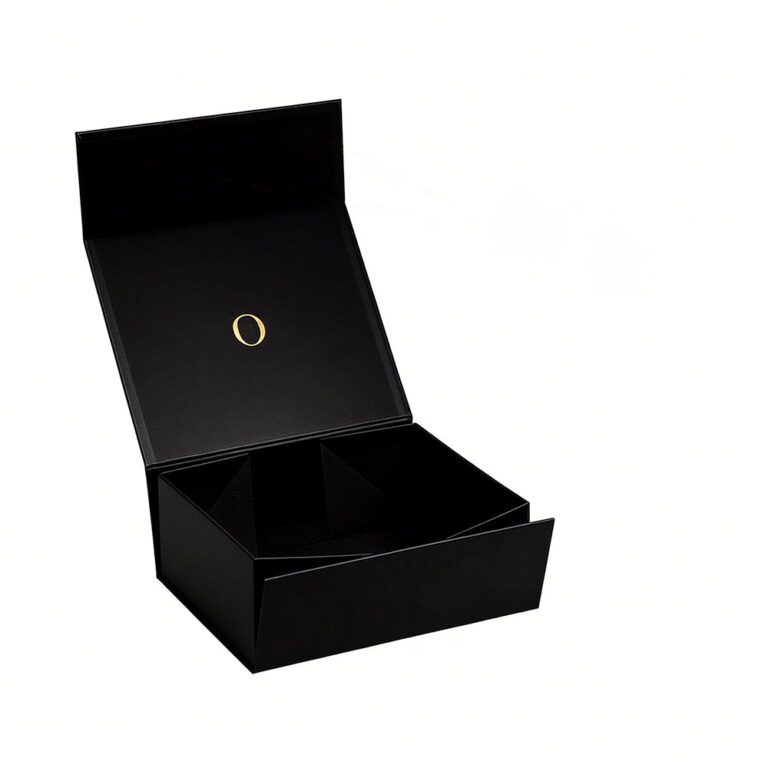
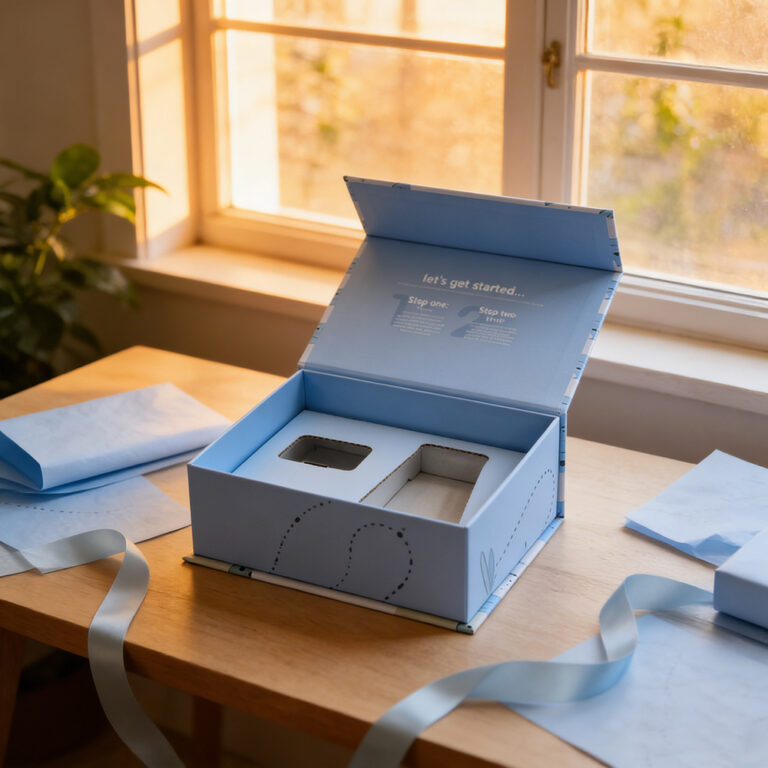
Practical scenario: you’re launching a “signature line” and want buyers to stop scrolling. A Magnetic Closure Boxes format gives you that crisp open/close “snap” people remember. It’s tactile branding. It kinda says “this isn’t cheap.”
If you’re building a full catalog, don’t treat luxury as “one SKU only.” Keep your CMF (color/material/finish) rules consistent, so the whole lineup feels like one family. This is where OEM/ODM teams usually bring DFM feedback early—dielines, alignment tolerances, finishing feasibility—so your premium look stays repeatable at scale.
Strong Protective Function
Perfume bottles are glass. Glass breaks. Returns are a pain, and they mess with your distributor relationship fast. That’s why the article puts internal protection right up front: EVA foam, flocked trays, and high-density sponge.
Practical scenario: you’re shipping influencer seeding kits. You want them to arrive perfect, not “almost perfect.” Your insert spec matters: snug fit, controlled clearance, no bottle-to-wall contact. If you’ve got multiple SKUs (30/50/100 ml), don’t wing it. Lock the insert geometry per bottle and run quick sample approvals.
Also: protection doesn’t have to look like protection. A velvet-style tray can feel like jewelry packaging, while still doing the job.
High-Level Customization
Customization isn’t just printing a logo. The article is super direct: size, structure, insert, and exterior design should match the bottle shape and the brand identity.
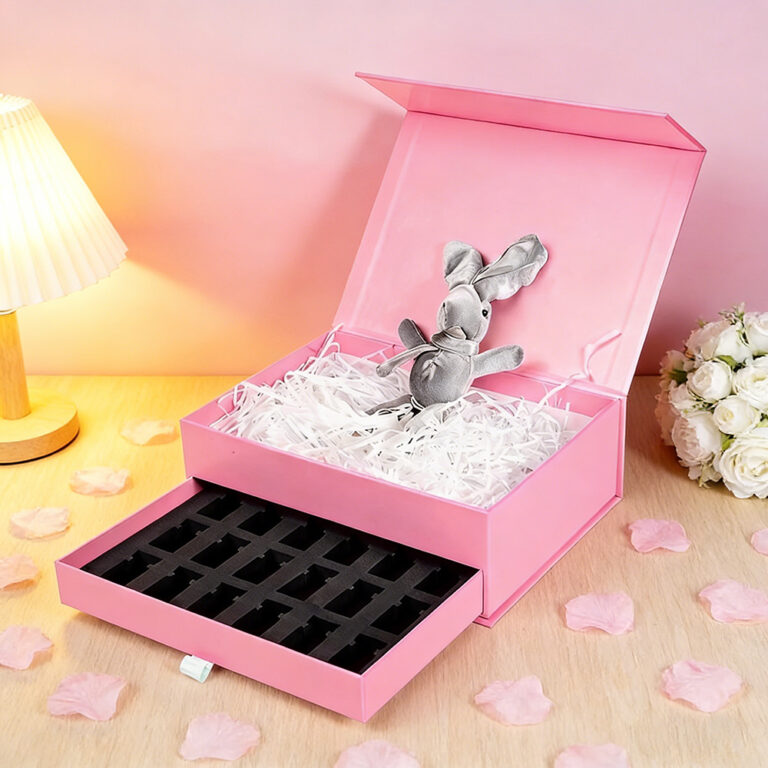
Practical scenario: your procurement team needs one packaging system that supports “hero product + flankers” without chaos. Drawer boxes work great for this because they can hold a bottle plus extras (card, sample vial, mini). And when the pull force feels smooth, customers notice—even if they can’t explain why.
For a fast-moving brand, customization also means cross-SKU assembly stability. If your pack-out line can’t kit quickly, your launch slips. Clean dielines and consistent specs keep ops happy.
If you want to browse a broad catalog of structures for brand-fit planning, start from the Perfume Boxes category page and map structures to channels (retail, gifting, DTC).
Focus on Unboxing Experience
The article spells it out: magnetic flap lids, sliding drawers, ribbon pulls—these create a ritual and lift satisfaction from the first touch.
Practical scenario: you’re selling on TikTok and your buyers film everything. Your packaging is now content. Magnetic open, slow reveal, clean inside print, the whole thing. If the unboxing feels “designed,” people share it. If it feels like a brown box with a bottle inside… they don’t.
A clean way to do this without going overly complex is pairing a structured opening with a simple interior message, then using an insert that frames the bottle like a display. That’s why magnetic closure and drawer formats show up again and again in premium fragrance.
Sustainability in Focus
This part isn’t optional anymore. The article notes more high-end brands are adopting FSC-certified paper, biodegradable inks, and recyclable materials to align with eco-conscious values.
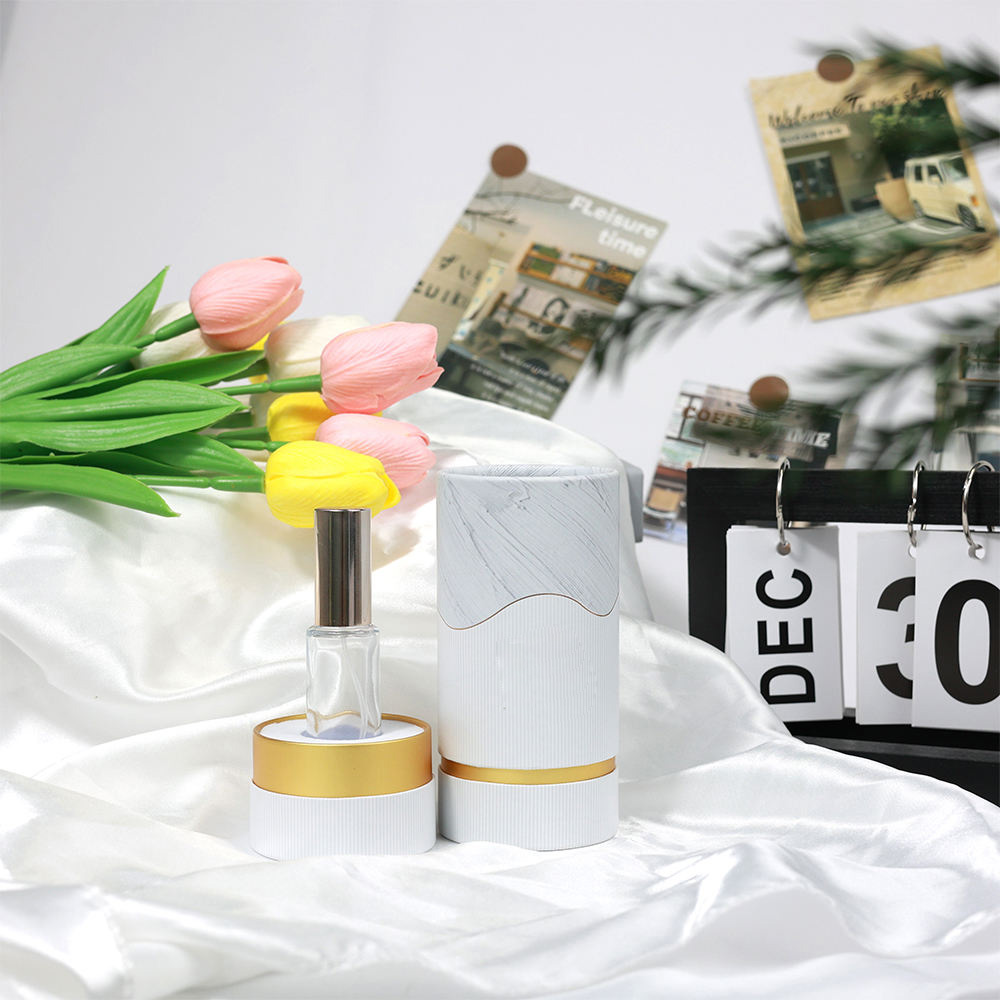
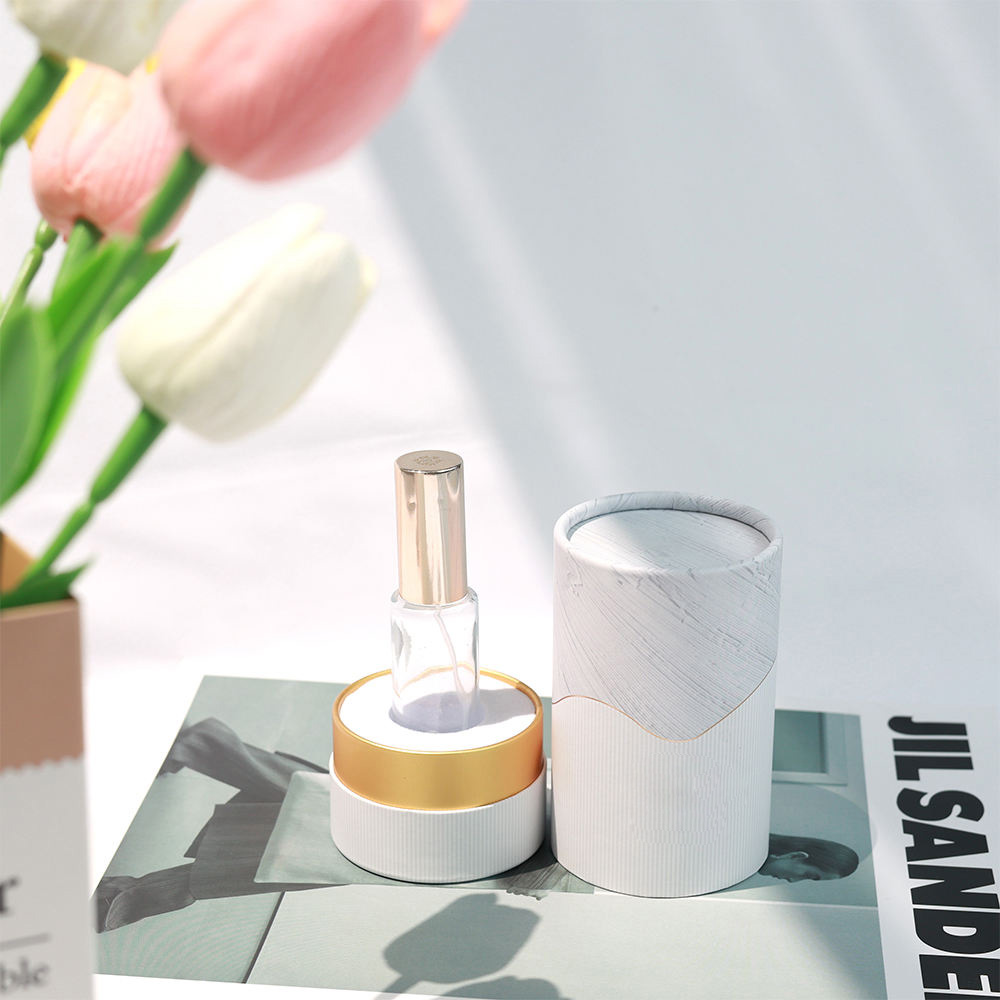
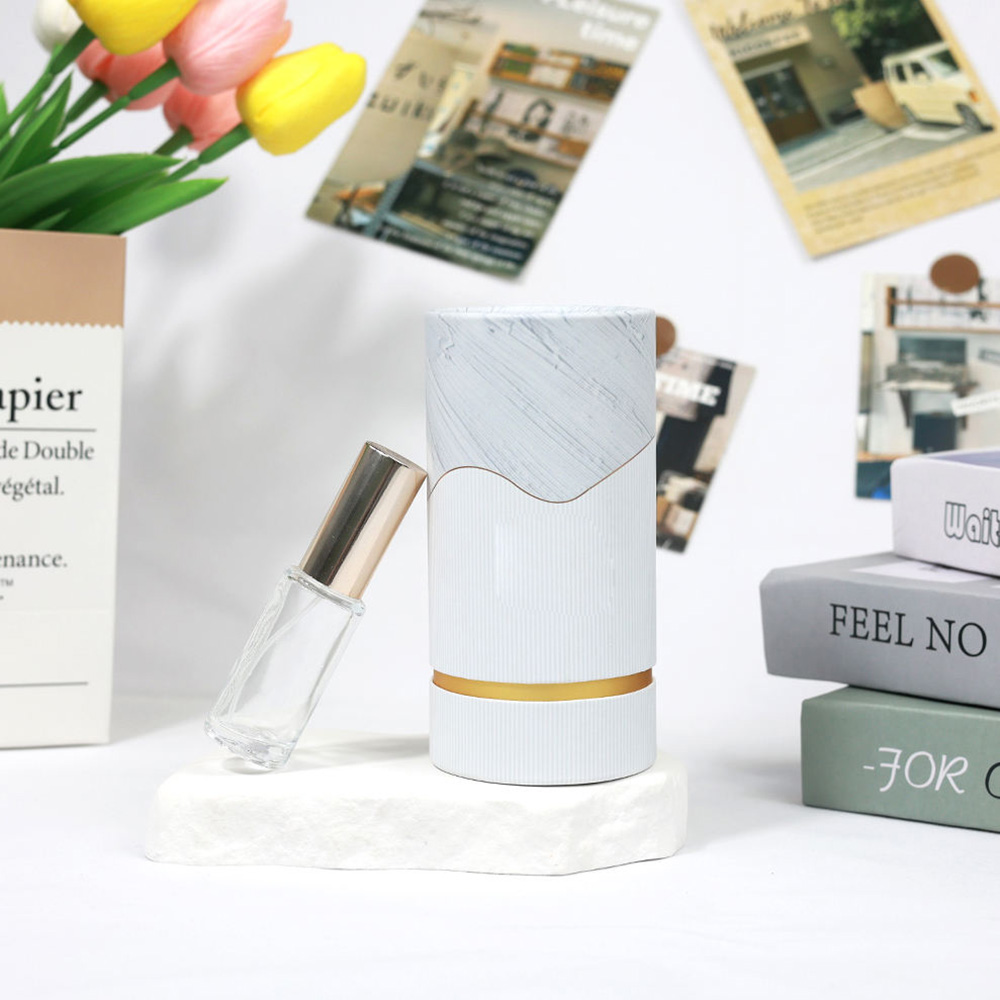
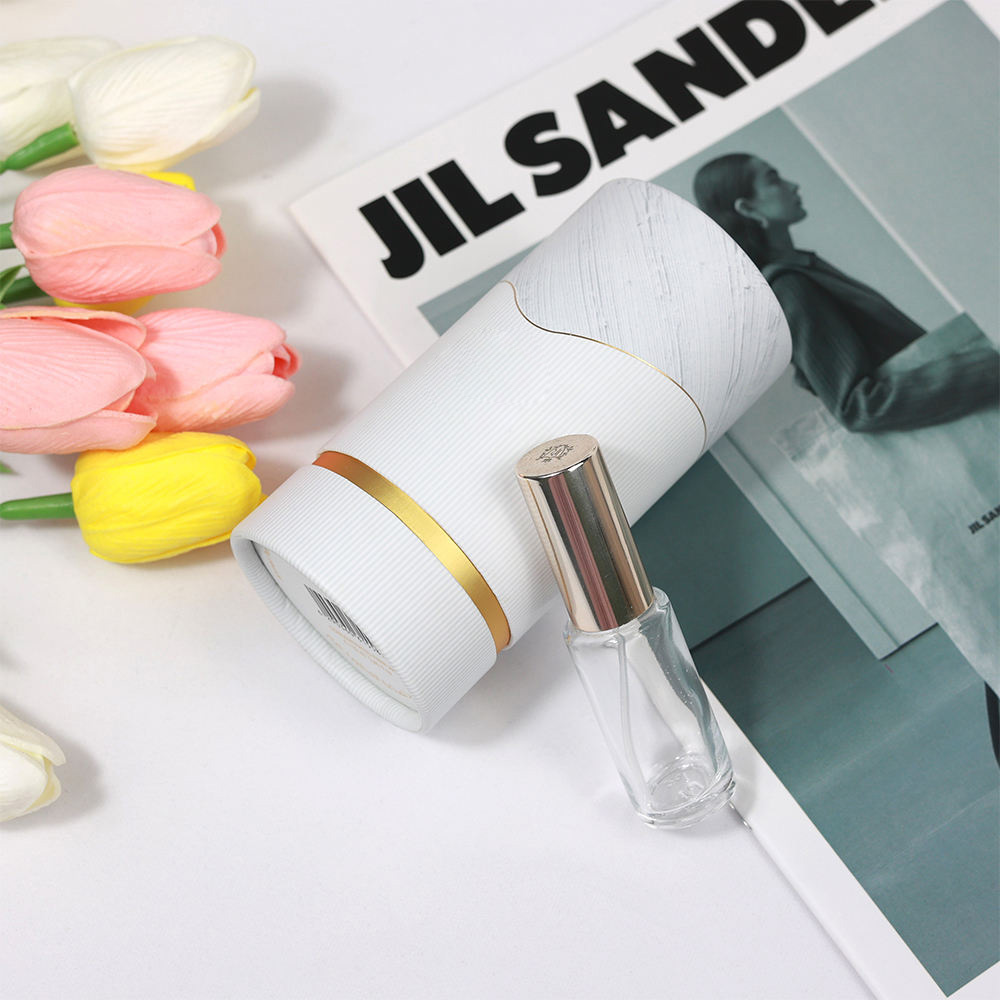
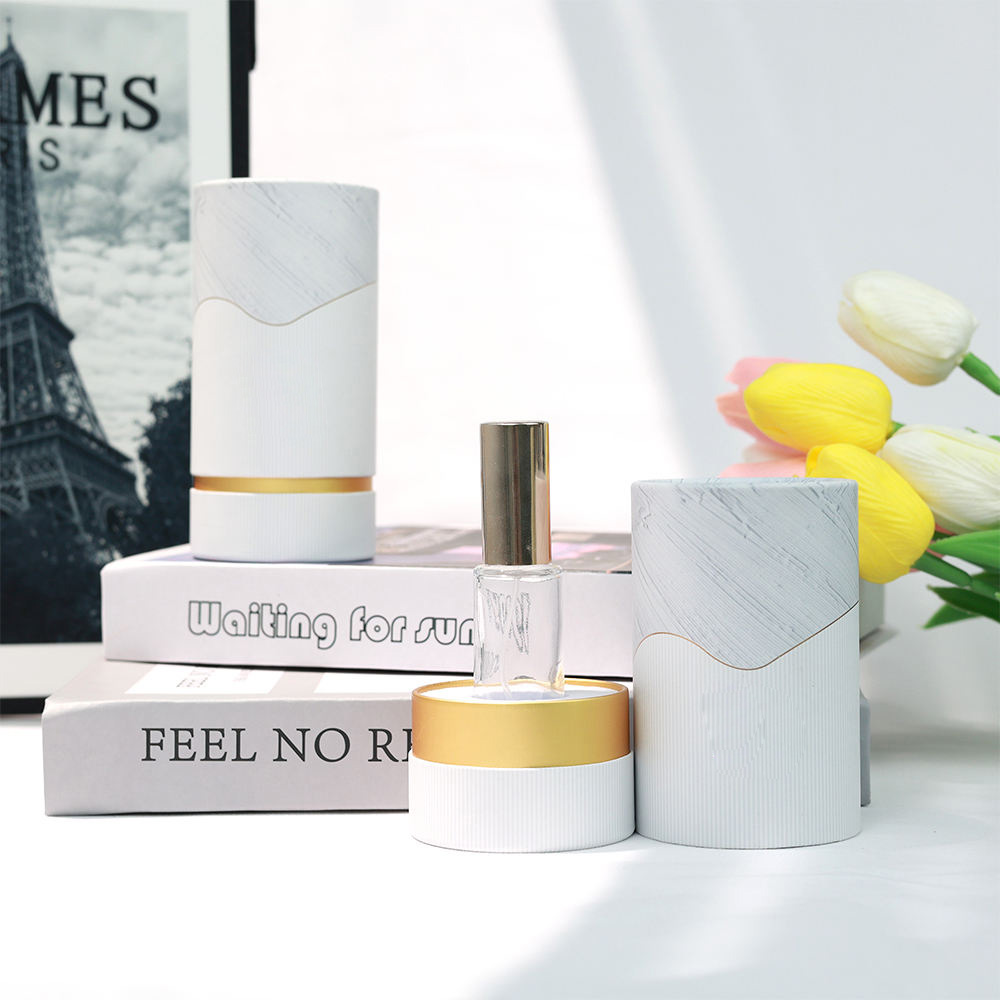
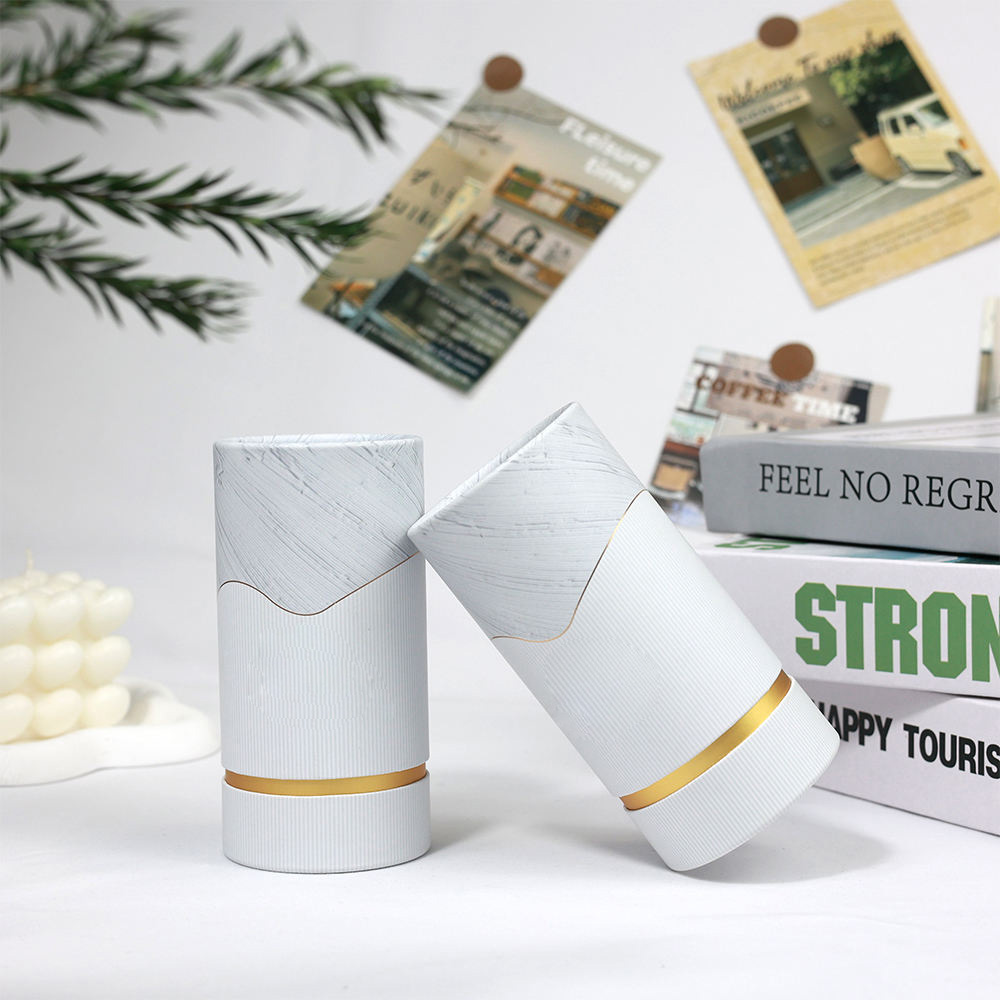
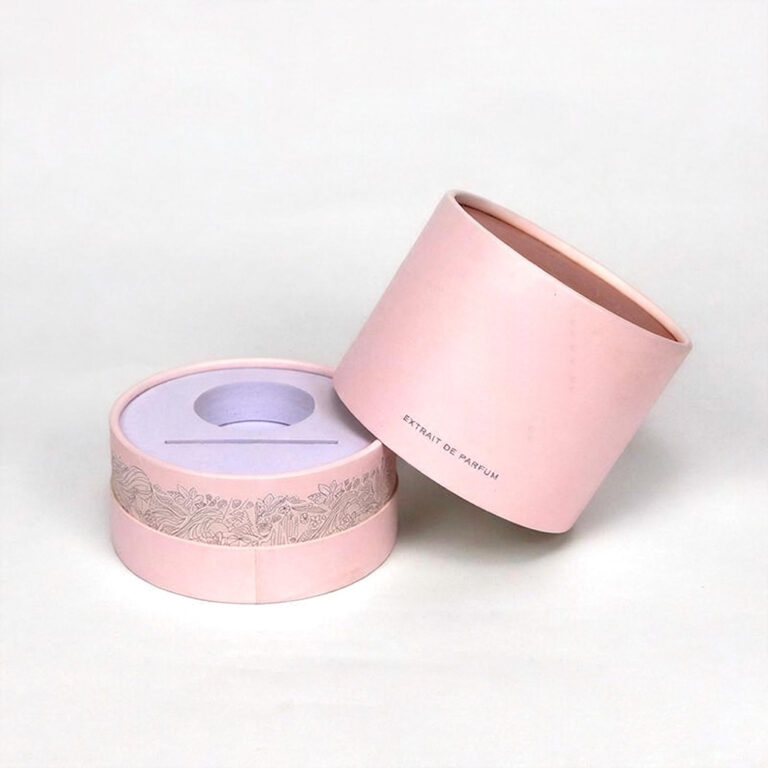
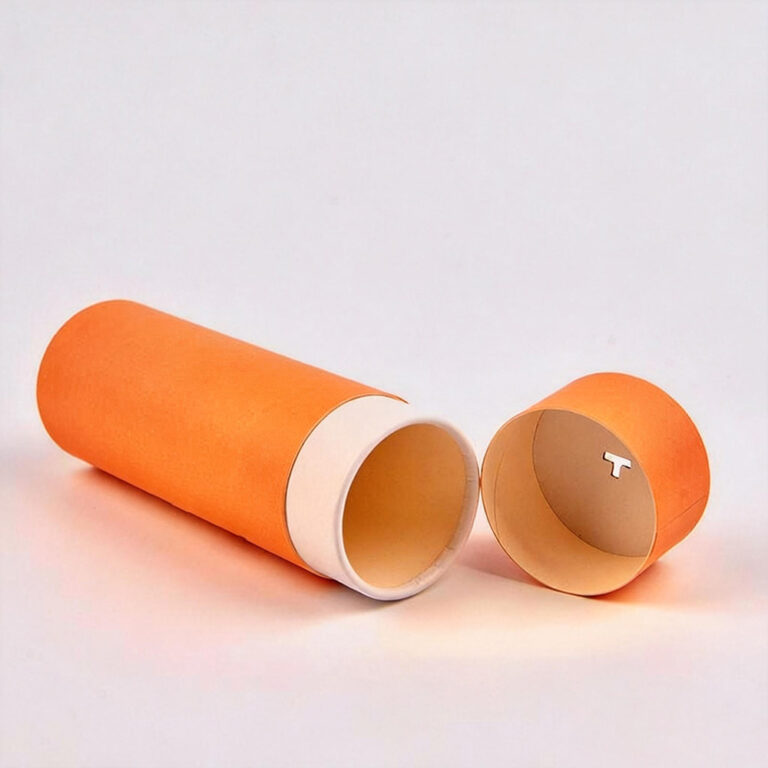
Practical scenario: you want “eco” without making the pack look cheap. A Paper Tube Packaging format can help because it’s paper-based, stands out on shelf, and can still feel premium with the right finish. The page also mentions recyclable papers, eco inks, and even plastic-free insert options.
Sustainability also plays nice with storytelling. Paper tubes feel collectible. People keep them. That’s free brand exposure sitting on a vanity for months.
Common Perfume Packaging Box Styles and Features
When you’re choosing structures, don’t start with “what looks cool.” Start with channel + fragility + shelf behavior. The article lists several common styles and what they’re used for.
Box style keyword
Best-fit use case (from source)
How it maps to real buying needs
Magnetic Closure Box
Luxury fragrances, limited editions, gift sets
Premium reveal + strong gifting feel; good for hero SKUs and PR kits
Kitting friendly; easy to add samples/cards; smooth “ritual” open
Base and Lid box
Commercial perfumes, everyday retail
Classic structure; good for steady retail programs and high repeatability
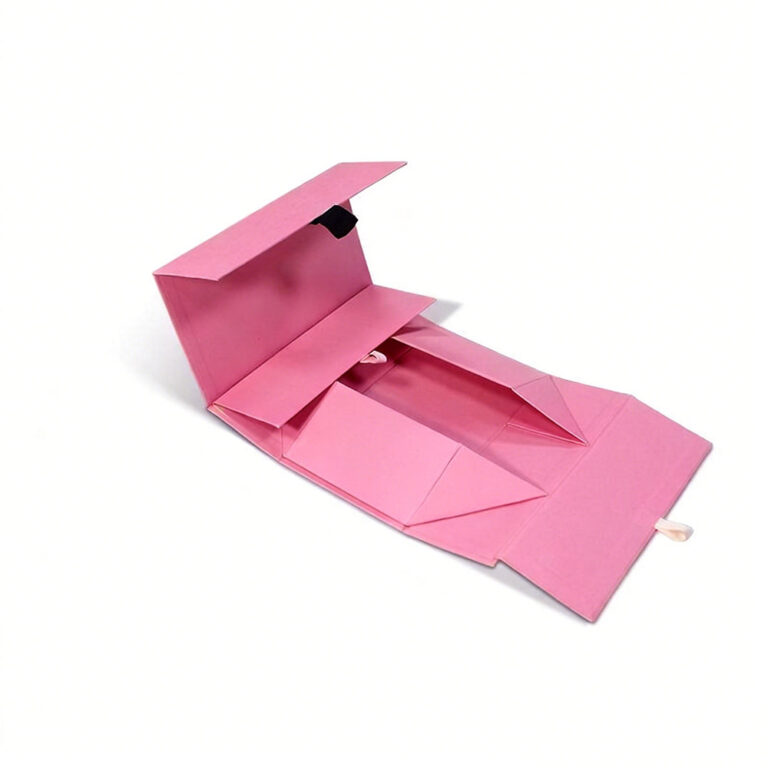
If you’re selling minis, travel sizes, or sampler programs, Folding Carton can be a smart move because it’s lightweight and built for multi-SKU campaigns. The folding carton page highlights retail details like windows and fast/consistent prepress control, which helps when you’ve got lots of variants.
How to turn these features into a clean procurement checklist
When you’re picking a perfume box supplier, ask for these four deliverables (simple, but it saves you so much back-and-forth):
Dielines + structural recommendations (so your bottle fit isn’t guesswork)
Insert options (EVA/foam/tray) matched to your breakage risk
Finish samples (foil/UV/emboss) that match your luxury target
Sustainable material choices (FSC paper + eco inks) that still look premium
If you’re doing OEM/ODM, that checklist also keeps your internal teams aligned—brand, sourcing, and ops stop fighting, finally.
Since 1985, we’ve been a factory-direct partner for OEM/ODM custom luxury perfume boxes in China. One team handles design, sampling, production, and export logistics. Strict QC delivers on-brand packaging, fair pricing, and reliable lead times.
Flexible & Professional OEM/ODM Solutions
Agile OEM/ODM support with low MOQs and fast turnaround. Our engineers refine dielines, optimize structures and build custom inserts to protect each bottle. From concept to pre-prod samples, we accelerate launches with predictable cost and risk.