The Perfume Box: Discover Your Olfactory Signature at Home
Use a perfume box to find your olfactory signature at home. Test one scent per day on skin, wait for top-to-base changes, do an overnight check, and build a small scent wardrobe. For brands, choose the right custom perfume boxes for gifting and retail.
Buying fragrance online can feel like ordering a mystery meal. The photo looks amazing, the notes sound “you,” and then… it shows up and doesn’t fit your vibe at all.
That’s why a perfume box (aka a discovery-style set) makes so much sense. You try, you learn, you adjust. No pressure. No awkward “why do I smell like this?” moment at 9 a.m. on the train.
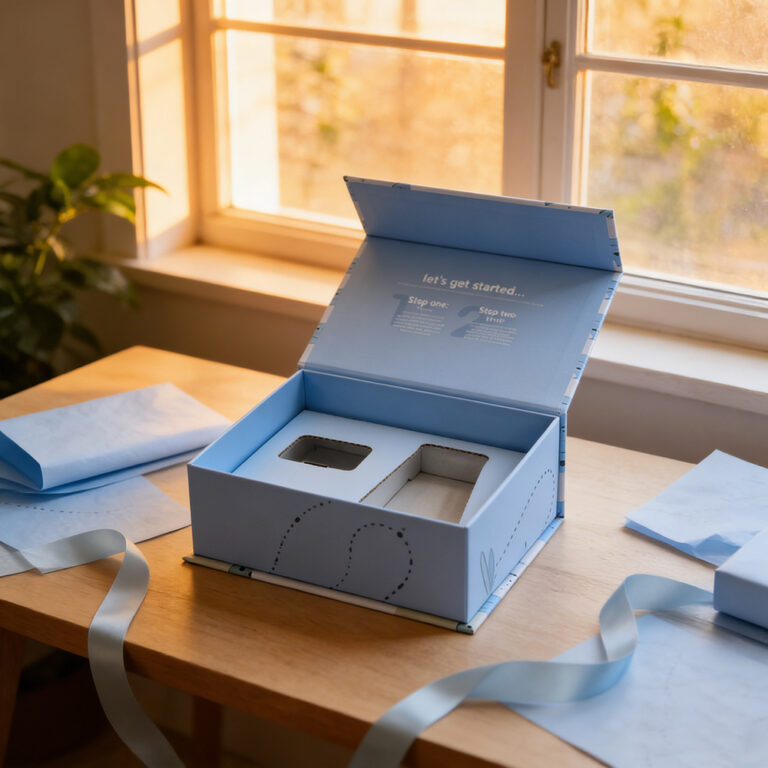
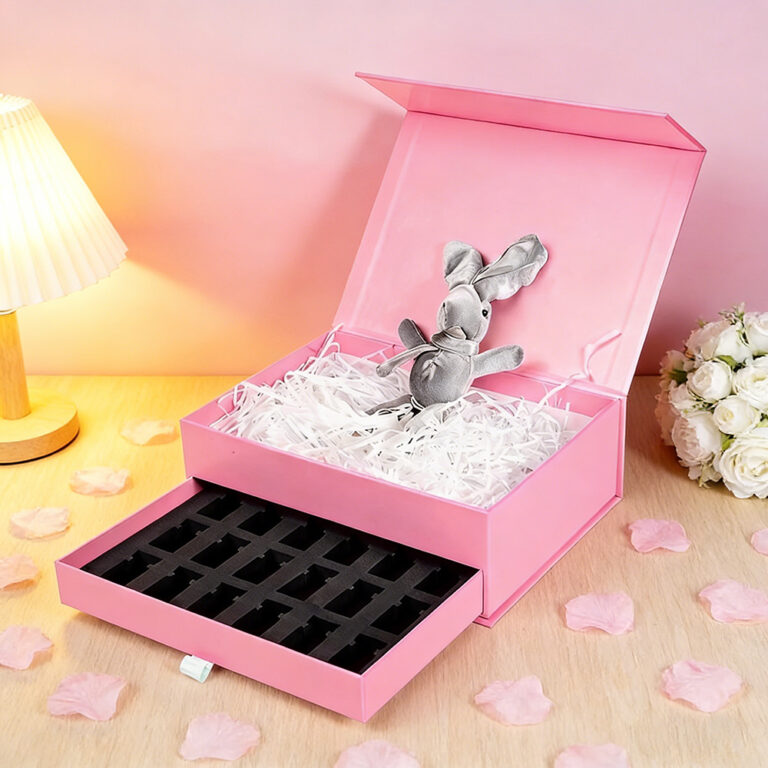
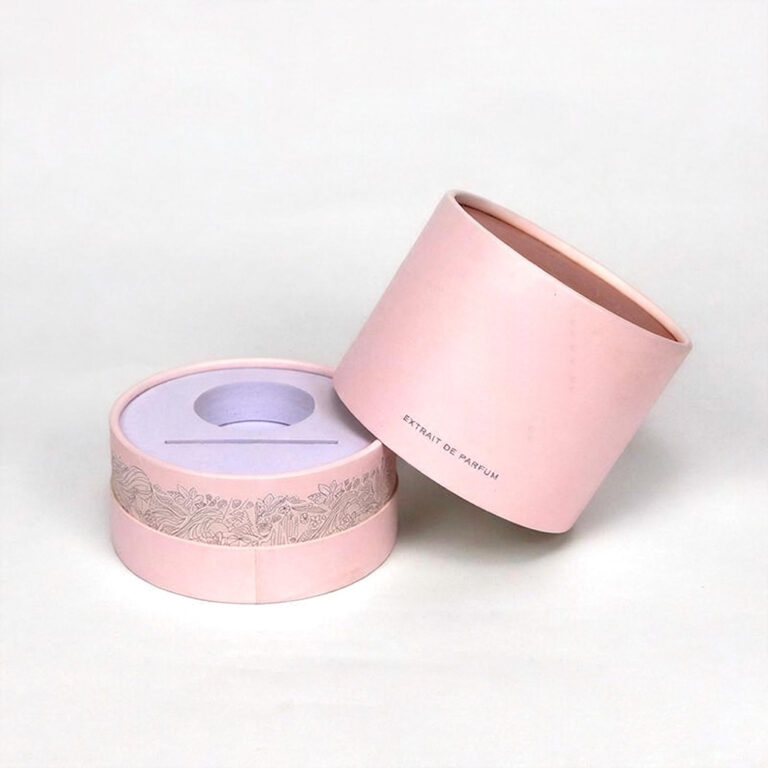
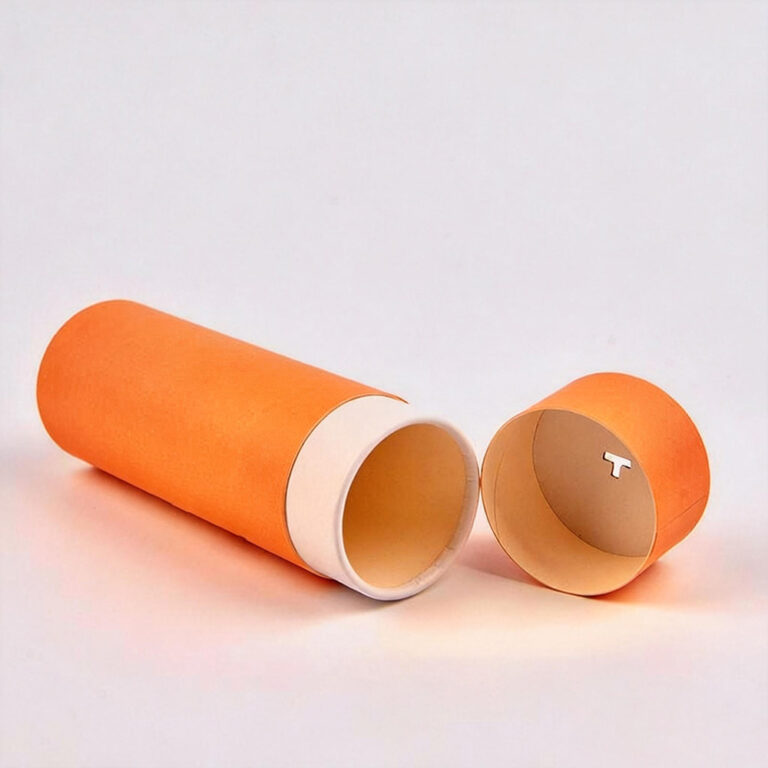
If you’re a brand, this same idea is gold. The unboxing and the packaging touch often decide whether a customer says “wow” or “meh.” That’s where custom perfume boxes and rigid gift packaging come in, especially when you’re doing OEM/ODM runs for retail.
Here’s the simple, at-home way to find your signature scent—plus the packaging angles that help fragrance brands sell more naturally.
Use a perfume discovery set to avoid blind buys
A perfume box lets you sample without committing. That’s the whole point. You go from “I think I like woody musks” to “Okay, I like woody musks only when there’s a clean citrus top.”
Real-life scenes
Late-night scrolling: you add 10 bottles to cart. Next day you forget why. Samples fix that chaos.
Gift stress: you don’t know their taste. A discovery set says, “Pick your favorite,” and you look thoughtful.
For brands, discovery sets also reduce returns and “wrong pick” complaints. It’s a low-friction entry product that can upsell into full size later.
Fragrance is identity expression, not just an accessory
Your scent sits close to skin, so it reads like personality. People don’t always remember the brand name, but they remember the feeling: clean, warm, sharp, sweet, cozy.
Try this: ask yourself what you want your scent to do.
“Make me feel focused in meetings”
“Smell like fresh shower after gym”
“Date-night confidence, but not loud”
That goal helps you choose faster than reading 30 note pyramids.
You can have multiple signature scents for different occasions
One “signature” is nice. A small scent wardrobe is smarter.
Easy lineup
Workday: clean, low projection, “close bubble”
Weekend: playful, brighter, more casual
Night: deeper base, longer wear, a little drama
Hot weather: airy, fresh, not sticky
Cold weather: warm woods, resins, cozy gourmands
This isn’t being extra. It’s just matching scent to context, like shoes. You don’t wear running shoes to a wedding… usually.
Test one perfume per day on skin, not five at once
If you try five at once, your nose turns into a confused radio. Everything blends. You’ll pick wrong, then blame the perfume.
Do it like this:
Day 1: one scent on wrist/inner arm
No mixing with other fragrance
Smell at: 15 min, 2 hours, end of day
And yeah, you might feel impatient. But this is how you avoid buying a bottle based on the first 10 minutes.
Perfume notes change from top notes to base notes
Top notes are the “hello.” Base notes are the “this is who I am.”
A common trap: you fall for the bright opening, then two hours later it turns into something you didn’t sign up for. That doesn’t mean it’s bad. It means you didn’t meet the full personality yet.
Quick note map (not perfect, but helpful)
Top: citrus, aromatics, light fruits
Heart: florals, spices, soft woods
Base: musk, amber, vanilla, resin, deep woods
So don’t judge too early. Let it talk.
The overnight test is the real decision-maker
Here’s a surprisingly good question: Do you still like it the next morning?
If you wake up and the drydown still feels smooth—no headache, no “get this off me”—you’re close to a winner.
Try the pillow test too:
Light spray on skin early evening
Sleep normally
Next morning: if it’s still pleasant, that’s a strong signal
Also, take feedback from people you trust. Not strangers yelling “smells strong!” in an elevator.
Scent memory shapes preferences through olfactory heritage
You’re not picking smells in a vacuum. Your brain stores scent like a shortcut to memory.
That’s why:
some people love powdery scents (it reminds them of family, home, laundry)
others can’t stand it (it reminds them of a hospital vibe, or a bad time)
When you sample, notice what it reminds you of. A beach trip? A new car? A bakery? That clue tells you why you like it, and helps you pick more accurately next time.
Keep a “light scent” option for everyday wear
Not every day needs the “main character” fragrance. Some days you just want clean comfort, easy reach, no drama.
A lighter option is perfect for:
gym → shower → errands
hot afternoons
office days when you’ll sit close to others
travel (tight spaces, planes, hotels)
It also refreshes your nose. When you go back to your deeper signature later, it hits better.
Start with blotter strips, then move to skin testing
Blotter first. Skin second. That’s the smooth workflow.
Blotter helps you eliminate “nope” scents fast
Skin shows the real chemistry: warmth, sweat, your body’s natural smell
If a fragrance is nice on paper but weird on skin, don’t force it. That’s normal.
Key arguments summary table with sources
Argument title (keyword-focused)
What you do at home
Source type (for credibility)
Use a perfume discovery set to avoid blind buys
Sample first, decide later
Fragrance guide article about perfume box sampling
Fragrance is identity expression, not just an accessory
Pick a vibe goal, not a bottle label
Fragrance guide article on scent as self-expression
You can have multiple signature scents for different occasions
Build a small scent wardrobe
Fragrance guide article on seasonal/occasion switching
Test one perfume per day on skin, not five at once
One scent per day, track the wear
Fragrance guide + beauty retail expert guidance
Perfume notes change from top notes to base notes
Judge after hours, not minutes
Fragrance education sources on note evolution
The overnight test is the real decision-maker
Sleep on it, decide next day
Fragrance guide on overnight wear test
Scent memory shapes preferences through olfactory heritage
Notice memory triggers and emotions
Smell + memory research and medical education articles
Keep a “light scent” option for everyday wear
Use easy “daily driver” scents
Fragrance guide on lighter scent rotation
Start with blotter strips, then move to skin testing
Blotter → skin for final pick
Fragrance testing best-practice sources
Where perfume boxes and packaging make the commercial value show up
If you’re on the brand or procurement side, the scent is only half the story. Packaging is the first handshake. It affects shelf impact, gifting, and repeat purchase.
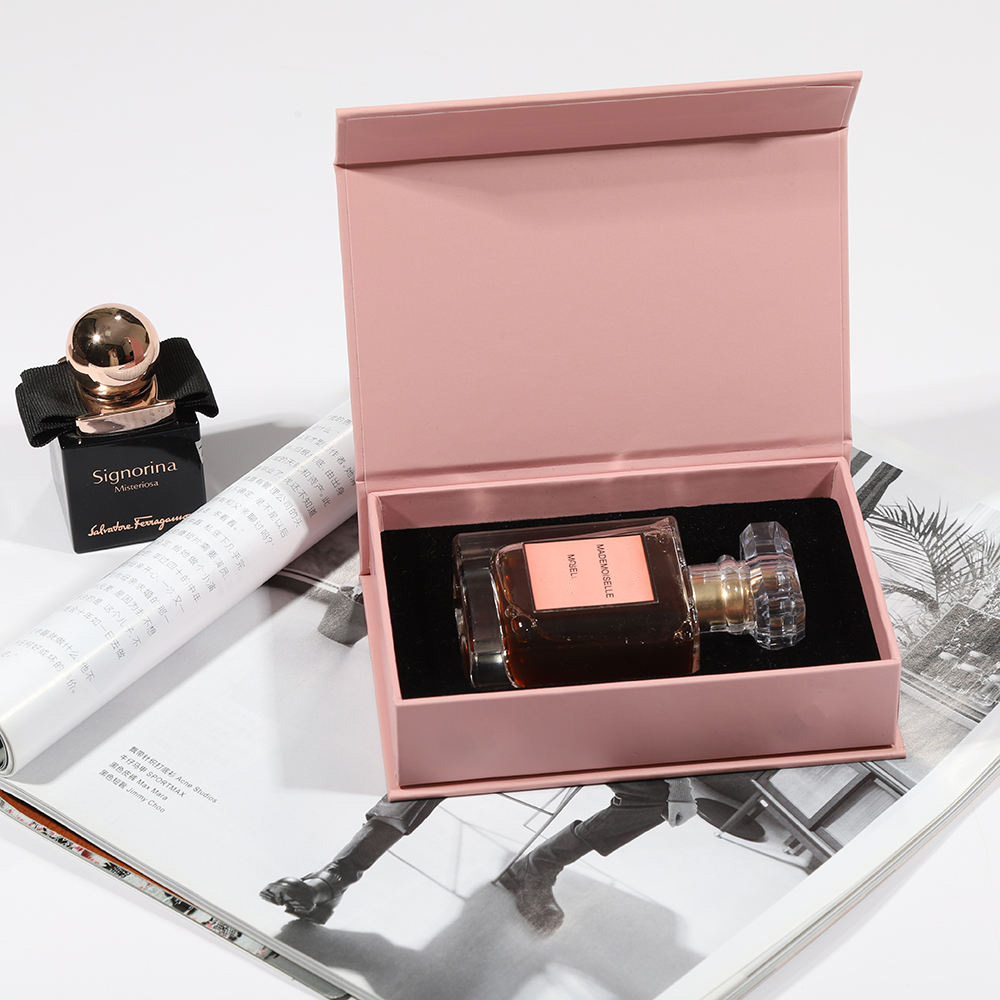
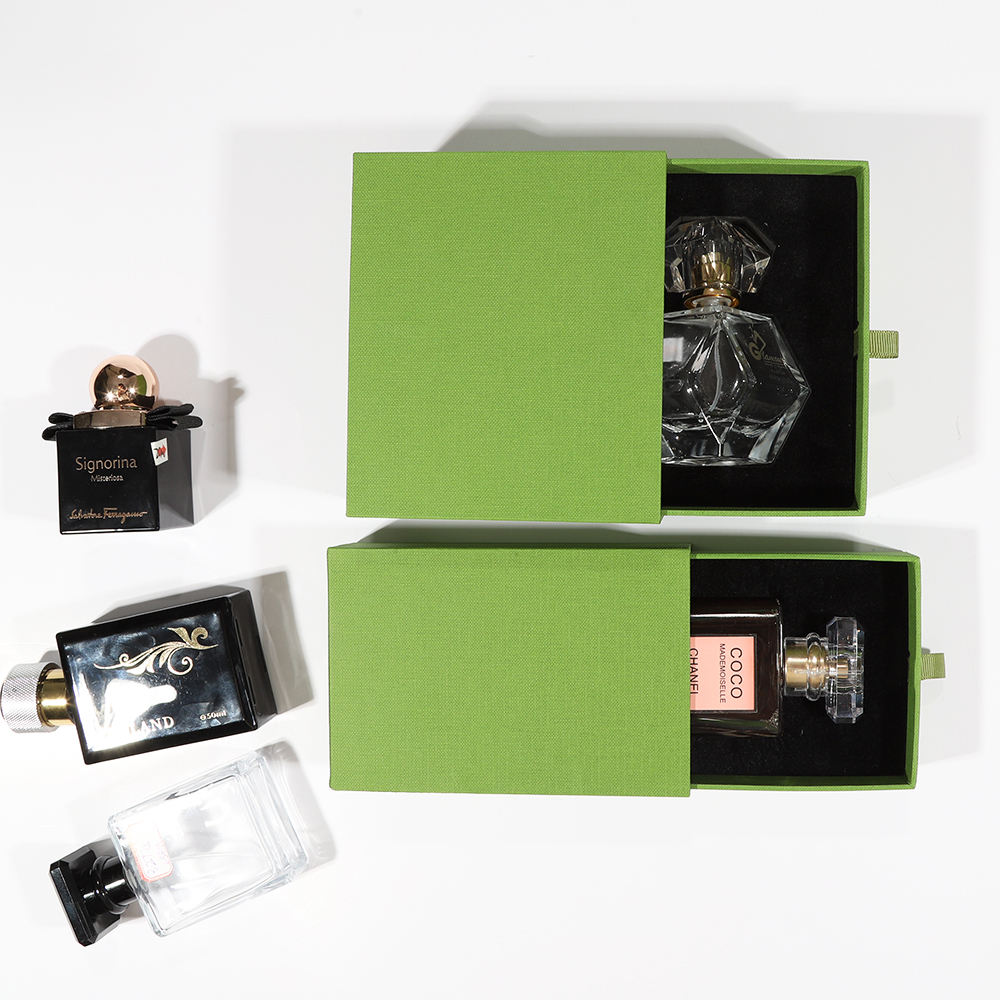
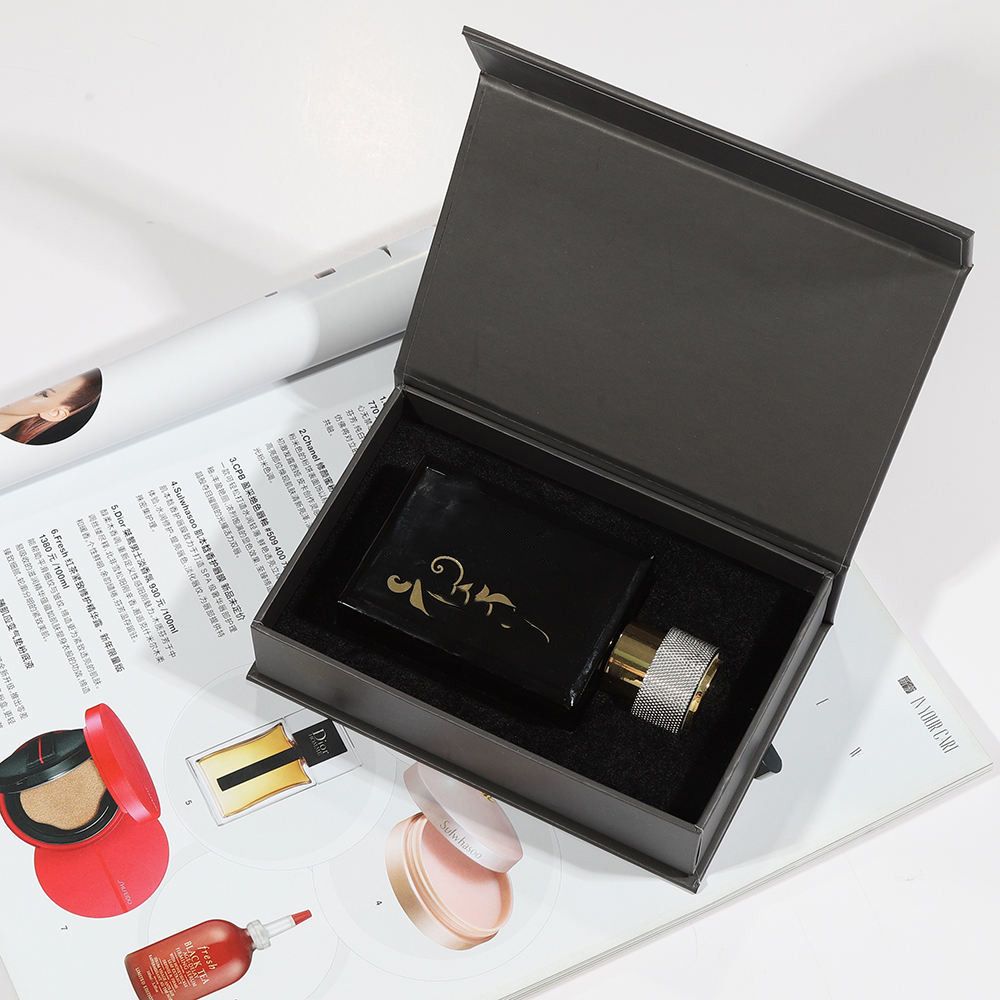
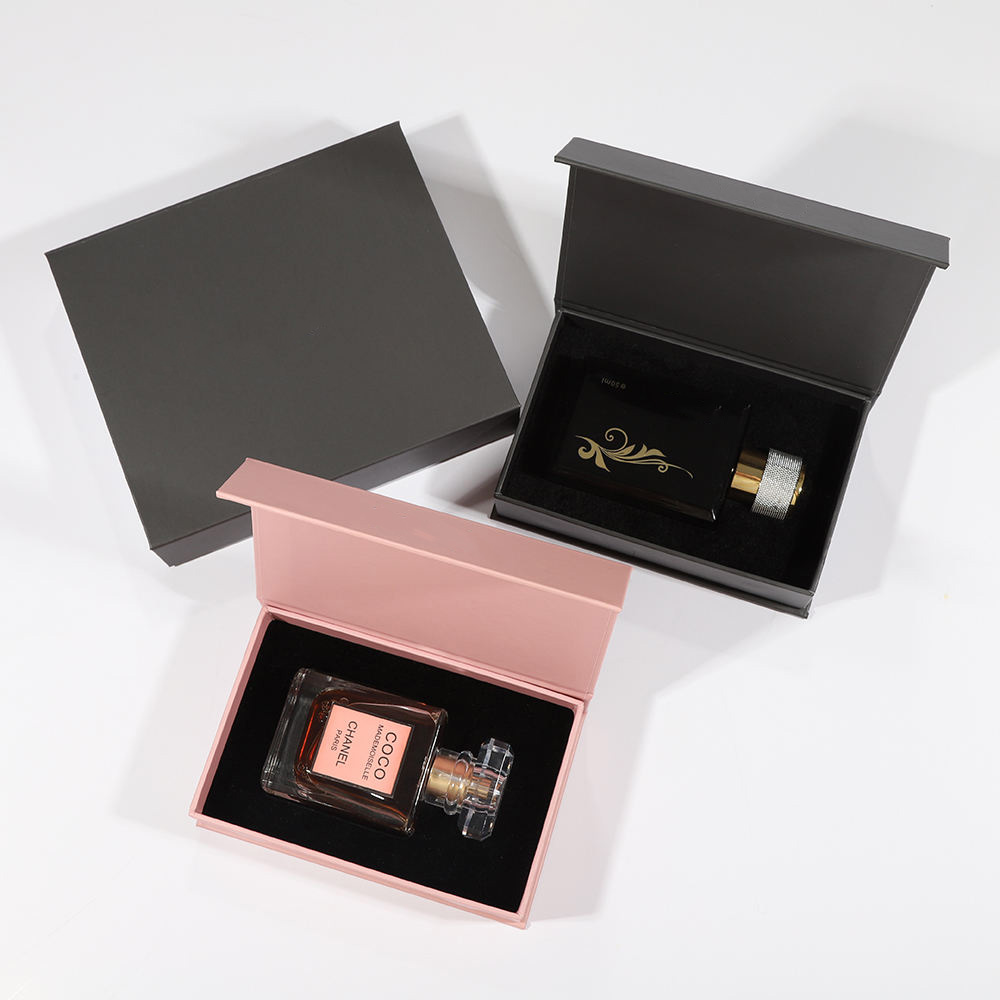
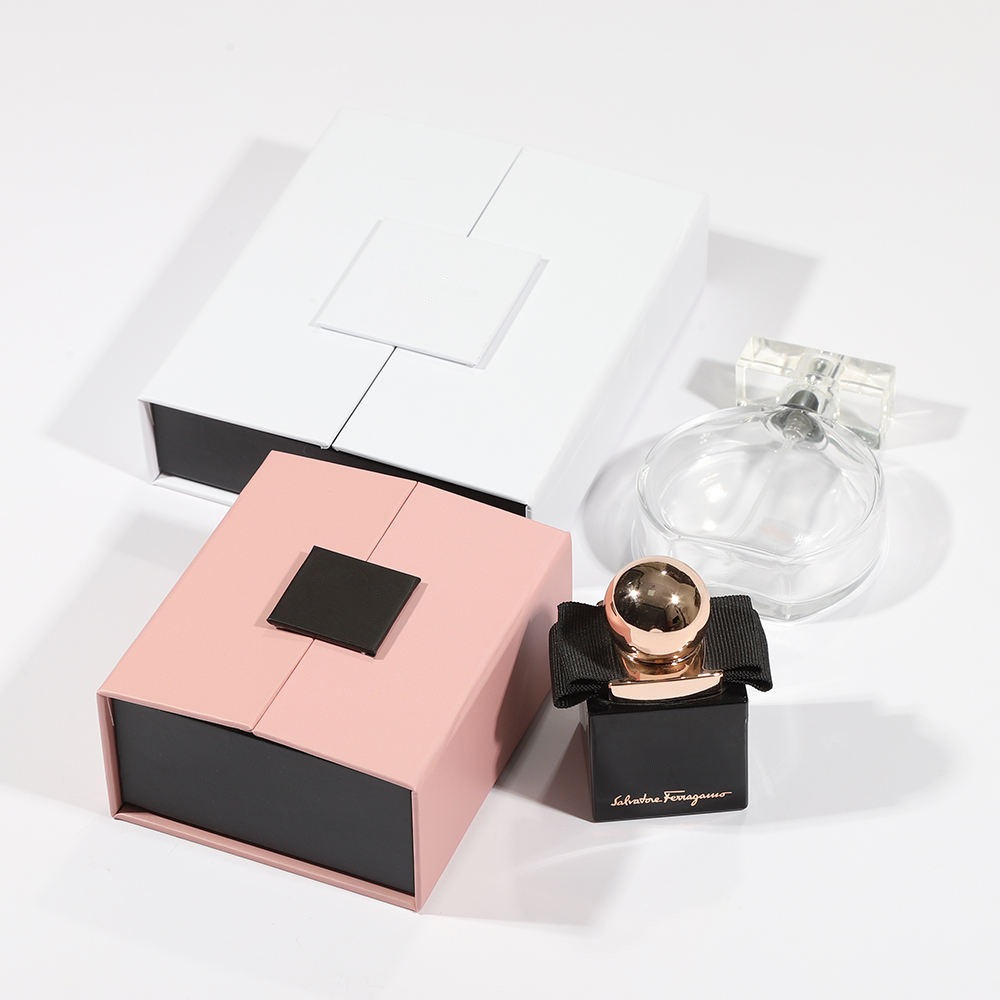
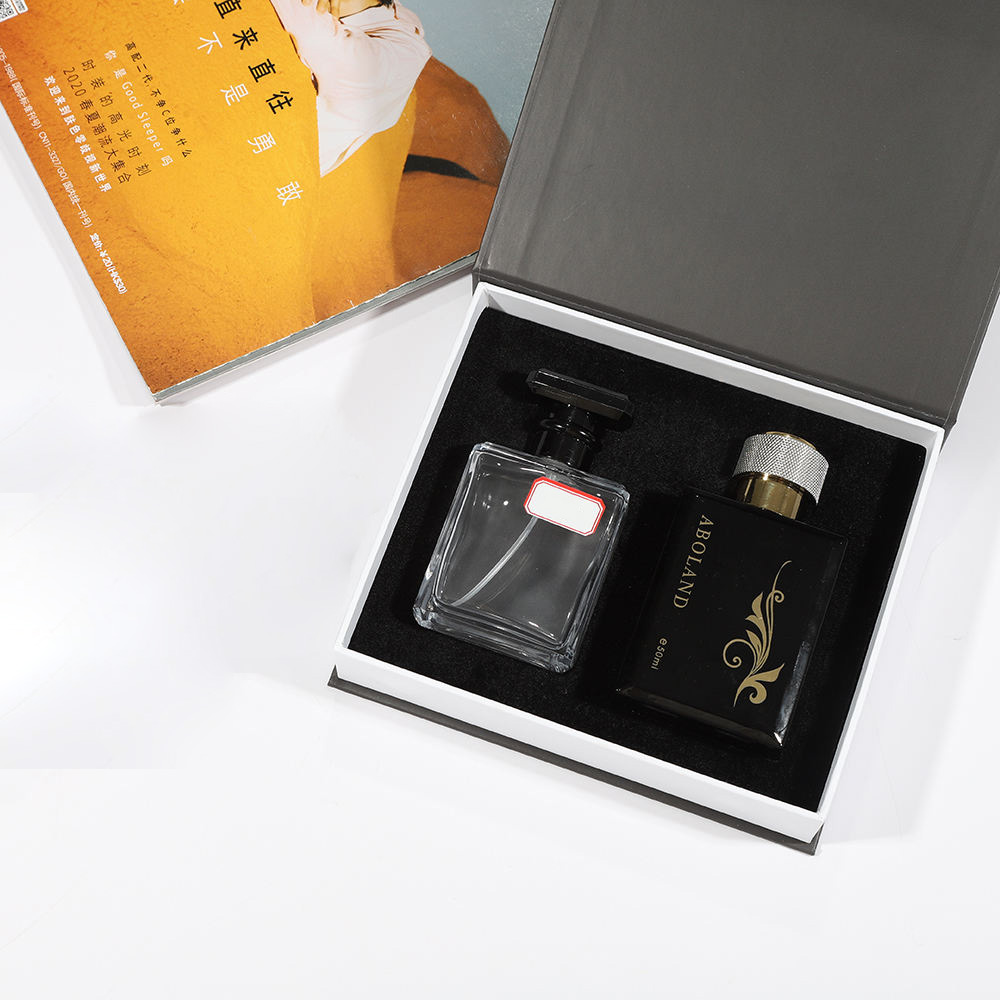
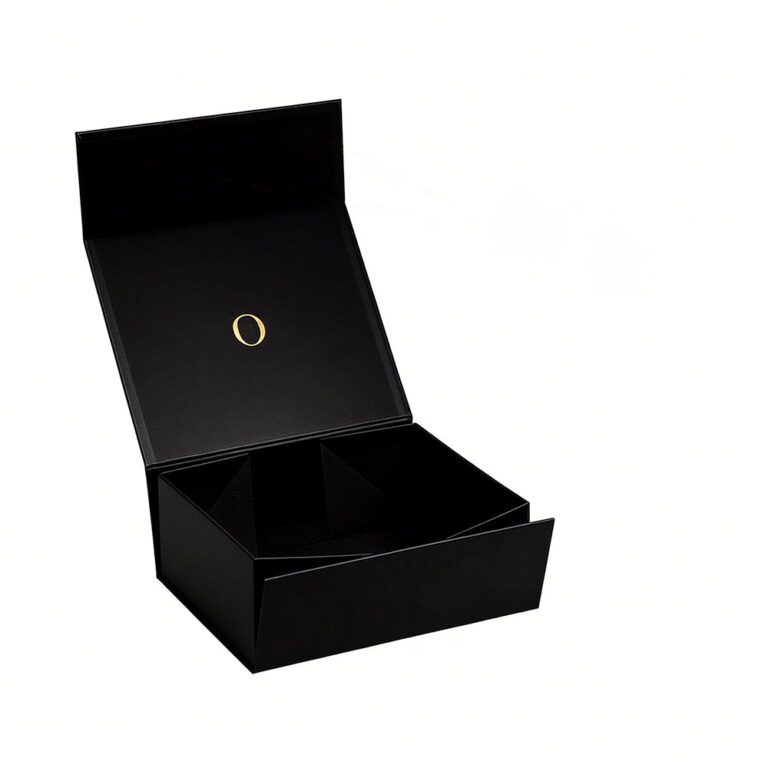
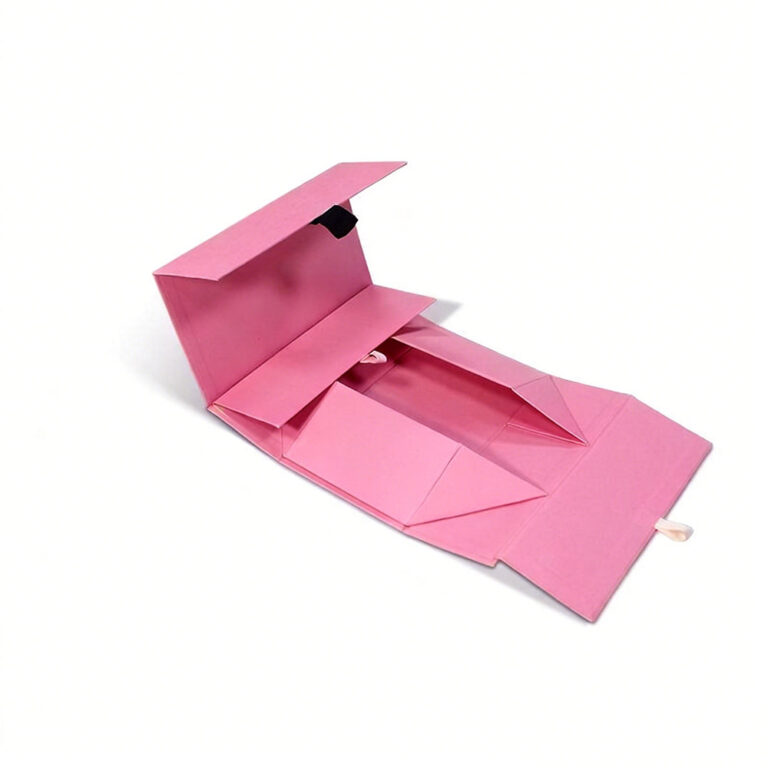
For product planning, start here: perfume boxes. Then match structure to your channel and price positioning:
Since 1985, we’ve been a factory-direct partner for OEM/ODM custom luxury perfume boxes in China. One team handles design, sampling, production, and export logistics. Strict QC delivers on-brand packaging, fair pricing, and reliable lead times.
Flexible & Professional OEM/ODM Solutions
Agile OEM/ODM support with low MOQs and fast turnaround. Our engineers refine dielines, optimize structures and build custom inserts to protect each bottle. From concept to pre-prod samples, we accelerate launches with predictable cost and risk.