The 11 Most Important Ingredients Used in Perfumery
Discover the 11 most important ingredients used in perfumery, from alcohol and aldehydes to oud and patchouli. See how they shape top, heart, and base notes, and how custom luxury perfume boxes, OEM/ODM capacity, and smart structures help your fragrance sell, ship, and stay safe.
If you strip any fragrance down to its core, you always meet the same “usual suspects”. Perfumers mix them in different ratios, but the toolkit is pretty stable. That’s exactly what “The 11 Most Important Ingredients Used in Perfumery” talks about, and we’re gonna walk through them in a more relaxed, “real life” way here.
And because you’re probably not just playing in the lab but also thinking about shelf impact, we’ll also link each ingredient back to how your perfume shows up in the box, on the shelf, and in your customer’s hand.
Quick overview: 11 core perfumery ingredients
Ingredient / family
Simple role in the formula
Typical place in the scent
Alcohol
Main carrier, pushes scent into the air
All layers
Aldehydes
Add brightness, “clean” feel
Top / heart
Synthetic aromatic molecules
Precise effects (violet, metal, etc.)
Any layer
Balsams & resins
Warm, deep, sweet, long-lasting
Base
Bergamot
Classic fresh citrus spark
Top
Essential oils & ethyl alcohol
Natural “juice” + carrier system
Top / heart / base
Fixatives
Slow down evaporation, add staying power
Mainly base
Leather notes
Smoky, “skin + jacket” vibe
Heart / base
Oud
Heavy, dark, luxury wood
Base
Patchouli
Woody, earthy, natural fixer
Base
Synthetic compounds (animalic & marine)
Skin feel, musk, sea breeze, etc.
Heart / base
Now let’s zoom into each one, with real usage scenes.
Alcohol in perfumery
Alcohol is not just “filler”. It’s the engine that lifts your fragrance off the skin. In most modern perfumes, a high-grade ethanol dissolves oils and aroma chemicals and helps them spray in a fine mist.
In real projects you’ll hear stuff like:
“We need better diffusion” → often means tweak the alcohol level or system.
“The tester smells weak on strip” → sometimes the carrier system, not the oil itself.
On the packaging side, strong alcohol means:
you need rigid, safe boxes so bottles don’t crack in transit
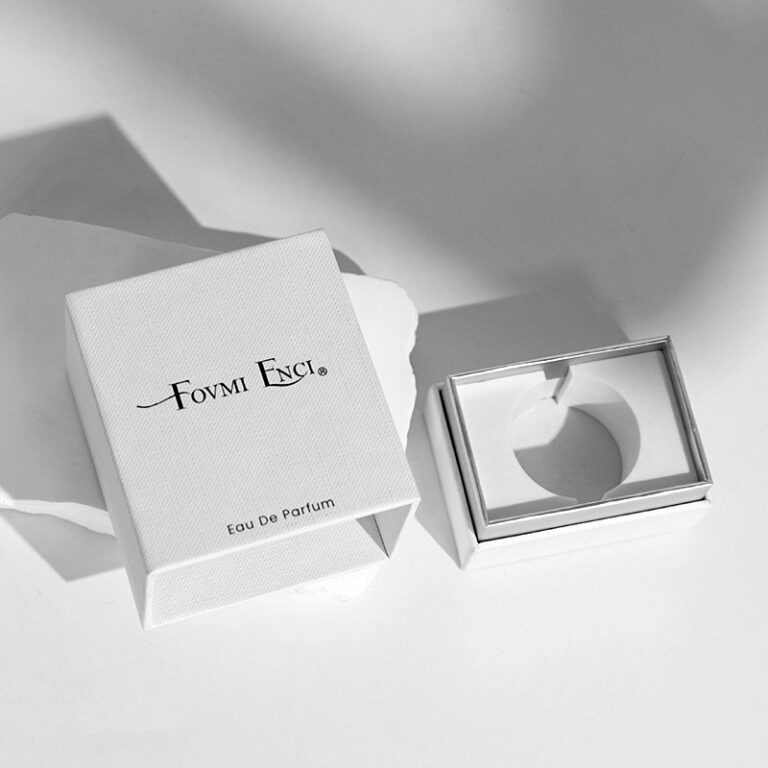
inserts that lock the glass tight (EVA, foam, or molded board)
That’s where sturdy perfume boxes with rigid board and proper inner fit do a lot of silent work for your brand.
Aldehydes in perfume formulas
Aldehydes in perfume are those tiny molecules that make a scent feel “sparkly”, soapy, sometimes a bit metallic. They’re a big reason classic scents like aldehydic florals feel bright instead of flat.
Use them when you want:
a white-shirt, “fresh from shower” vibe
flowers that shine instead of being heavy
more projection without smelling too sweet
If your juice leans very aldehydic and clean, you can echo that with minimal, sharp packaging – for example slim Magnetic Closure Boxes with clean lines and simple artwork, no noisy graphics.
Synthetic aromatic molecules
Here we’re talking about things like ionones, hedione, special musks, all the lab-made pieces that don’t grow on trees. The original article highlights how these synthetic aromatic molecules let perfumers build very exact effects and keep batch quality consistent.
Real-world reasons brands love them:
same smell from batch to batch (less drama with IFRA and sourcing)
access to notes nature can’t give (metallic, shampoo-clean, shampoo-fruity)
easier to keep to your cost target without killing the scent
For buyers, these words show up as “stable formula”, “same smell in every region”, “no batch shock”. That’s a huge pain point for big chains and wholesalers.
Balsams and resins as base notes
Think benzoin, myrrh, frankincense, labdanum. Balsams and resins are the sticky, slow guys that sit in the base and keep the whole thing warm and deep.
They’re great when you want:
cozy winter scents
more “hugging” trail on clothes
that slight smoky, church, or amber feel
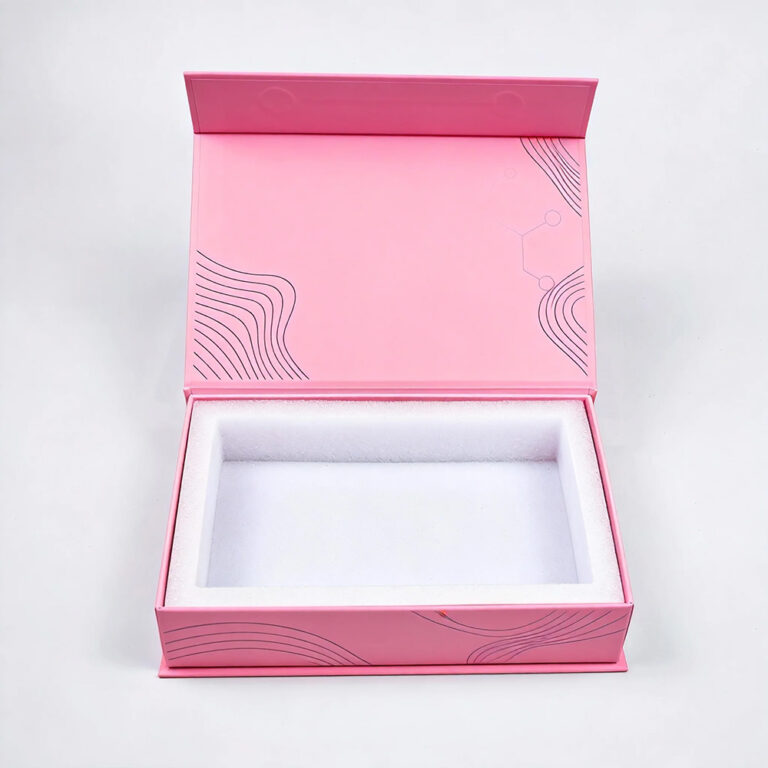
Because these notes scream warm, heavy, ceremonial, they pair super well with more presentational packaging, like Clamshell Gift Boxes that open like a book and make unboxing feel like a small ritual.
Bergamot and citrus top notes
Bergamot is the king of citrus in perfumery. It smells like citrus, tea, a bit floral and a tiny bit bitter, and it shows up in loads of colognes and fresh everyday sprays.
You reach for it when you want:
“office-safe” freshness
gym bag or travel spray style scents
fast, happy first impression at the counter
Fresh top notes die quicker, so buyers often do gift sets or duos to push more volume. Light, stackable boxes help here, for example folding styles or even slim Paper Drawer Boxes with a ribbon pull that feel fun but still easy to ship.
Essential oils and ethyl alcohol blend
The core “juice” is usually a blend of essential oils and aromatic compounds dissolved in ethyl alcohol. The oil part gives your scent its identity, the alcohol lets it move.
Brands care about:
origin stories (rose from X, lavender from Y)
clean claims and certification
how that story shows on the box and bag
If you’re telling a “natural essential oils” story, uncoated paper, FSC logo, and tactile textures on packaging suddenly matter a lot, even if the customer doesn’t say it out loud in the brief.
Fixatives for long lasting perfume
Fixatives in perfumery are like brakes for your formula. They slow down the evaporation of light notes and glue everything together. You see natural fixers (like patchouli, resins) and synthetic ones that are super efficient.
Why the buyer asks about “long lasting”:
less complaints and returns
better reviews (“it lasts all day on my skin”)
more trust when they launch flankers later
From a packaging angle, long-wear, higher-concentration scents often go into more solid, giftable formats. Collapsible rigid boxes are popular here, as they ship flat but pop up into a strong structure when you pack the bottle – helpful if you’re scaling with OEM/ODM and tight warehouse space.
Leather notes in niche and designer fragrances
Leather notes in perfume aren’t usually real leather. They’re accords made from birch tar style materials, resins, and musks that together say “jacket, bag, car interior”.
They’re nice when you want:
unisex, slightly edgy mood
“lux car” or “new bag” story
something not too sweet, more grown-up
These scents often sit in darker boxes, matte coatings, heavy board. They look good in structured boxes with shoulders and neck, or in rigid styles where the customer feel the weight before they even open it.
Oud as a luxury base note
Oud in perfumery is the classic signal for luxury, especially for Middle East and niche lines. Natural oud oil is rare and very pricey, so most brands use clever accords and synthetic oud molecules – but the nose still reads “rich, dark wood”.
You see oud when:
the brief says “prestige”, “VIP clients”, “limited edition”
the target likes heavy trail and bold personality
you wanna sit on the top shelf, not the discount bin
For this kind of juice, brands usually pick high-end rigid boxes with strong closure, deep colors, maybe foil and emboss. That’s exactly the type of project perfume-box handles daily as an OEM/ODM producer for luxury rigid packaging.
Patchouli in woody and oriental fragrances
Patchouli is an earthy, woody, slightly chocolate note that lives in the base and also works as a natural fixer. It has a long history: hippie, boho, then modern chypre and woody scents.
Use patchouli when you want:
more depth under citrus or florals
a “skin scent” that hangs on clothes
a bit of mystery without going full heavy oud
These scents often work great in mid-priced but still premium packaging, like lid and base boxes or even curated gift sets for online retailers.
Synthetic compounds: animalic and marine accords
The last group from the original list is synthetic compounds like musks, ambroxan, and marine molecules. They do work that natural materials either can’t do, or can’t do within modern rules.
Common use cases:
clean musks that smell like warm laundry, not like real animal
“skin” feel that makes the scent cozy and personal
sea breeze, salty air, watery notes using marine molecules
These techy materials are why many mass-market perfumes still feel modern and smooth even at big-volume price points. Buyers hear words like “IFRA safe”, “vegan”, “no animal origin” and feel more relaxed signing that PO.
From perfume ingredients to packaging reality
Once your formula is locked, the next question is simple: how do we dress it so it sells, ships, and survives?
Fresh citrus and light aldehydes? You may go for slimmer cartons or sets that move fast in retail.
Heavy oud and resin base? You probably need rigid, protective boxes with EVA or foam, maybe in Magnetic Closure or shoulder styles.
Discovery kits with synthetic musks and modern accords? Drawer or tube packaging feels playful and easy to gift.
That’s where a specialist like perfume-box comes in: OEM/ODM custom luxury perfume boxes from China, with big-volume capacity and FSC paper options for brand teams, traders, and private-label buyers who don’t wanna babysit every tiny packaging detail.
Even if your fragrance story is all about notes like Alcohol in perfumery, Balsams and resins, or Patchouli base note, the box is still what your customer touch first. Matching “juice language” and “box language” is what separates a nice scent from a full product that people remember and rebuy.
And yes, sometimes that starts from something as simple as choosing a heart-shaped box for a date-night gourmand, or adding branded Paper Gift Bags so the retail staff can upgrade the whole gifting moment without extra work.
Since 1985, we’ve been a factory-direct partner for OEM/ODM custom luxury perfume boxes in China. One team handles design, sampling, production, and export logistics. Strict QC delivers on-brand packaging, fair pricing, and reliable lead times.
Flexible & Professional OEM/ODM Solutions
Agile OEM/ODM support with low MOQs and fast turnaround. Our engineers refine dielines, optimize structures and build custom inserts to protect each bottle. From concept to pre-prod samples, we accelerate launches with predictable cost and risk.