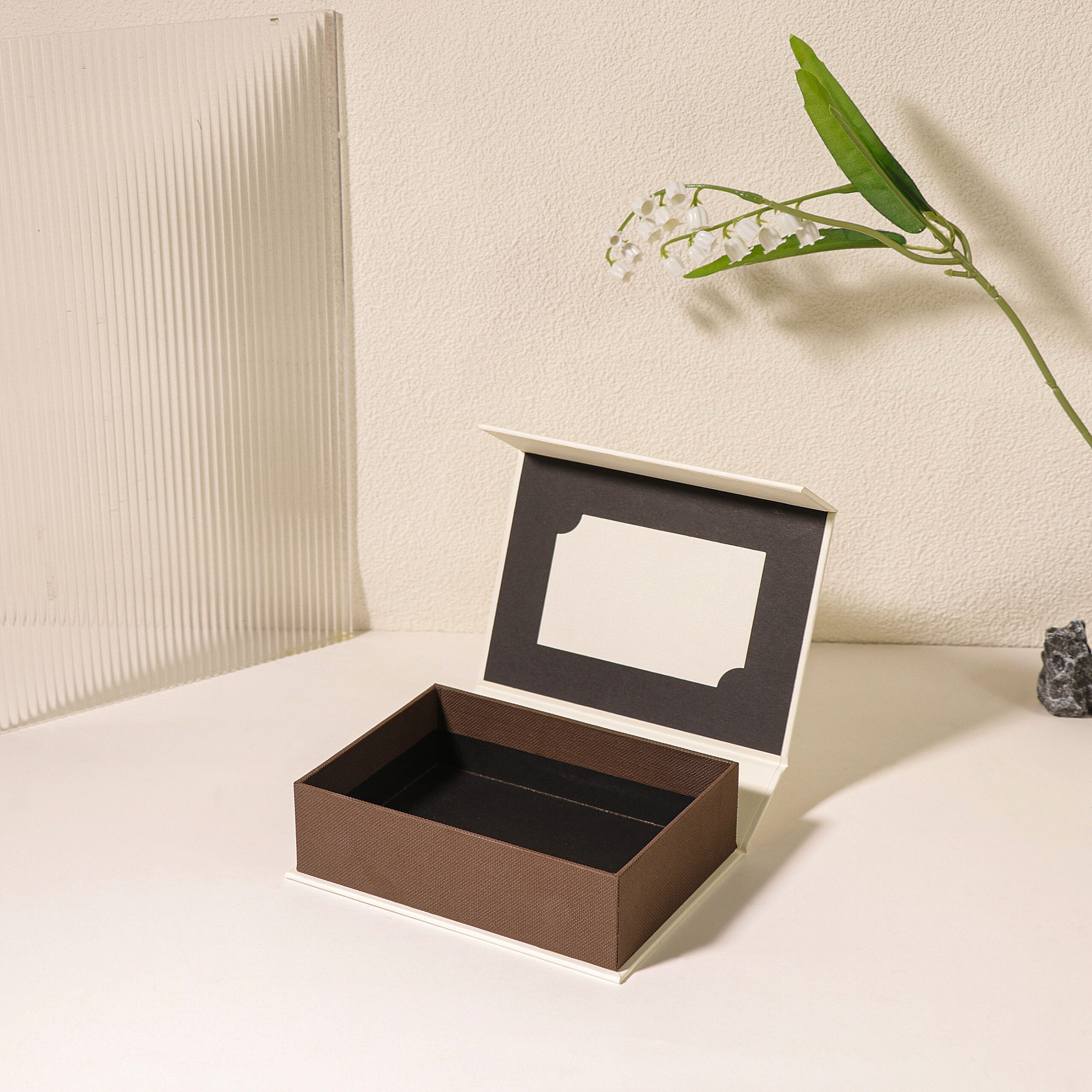
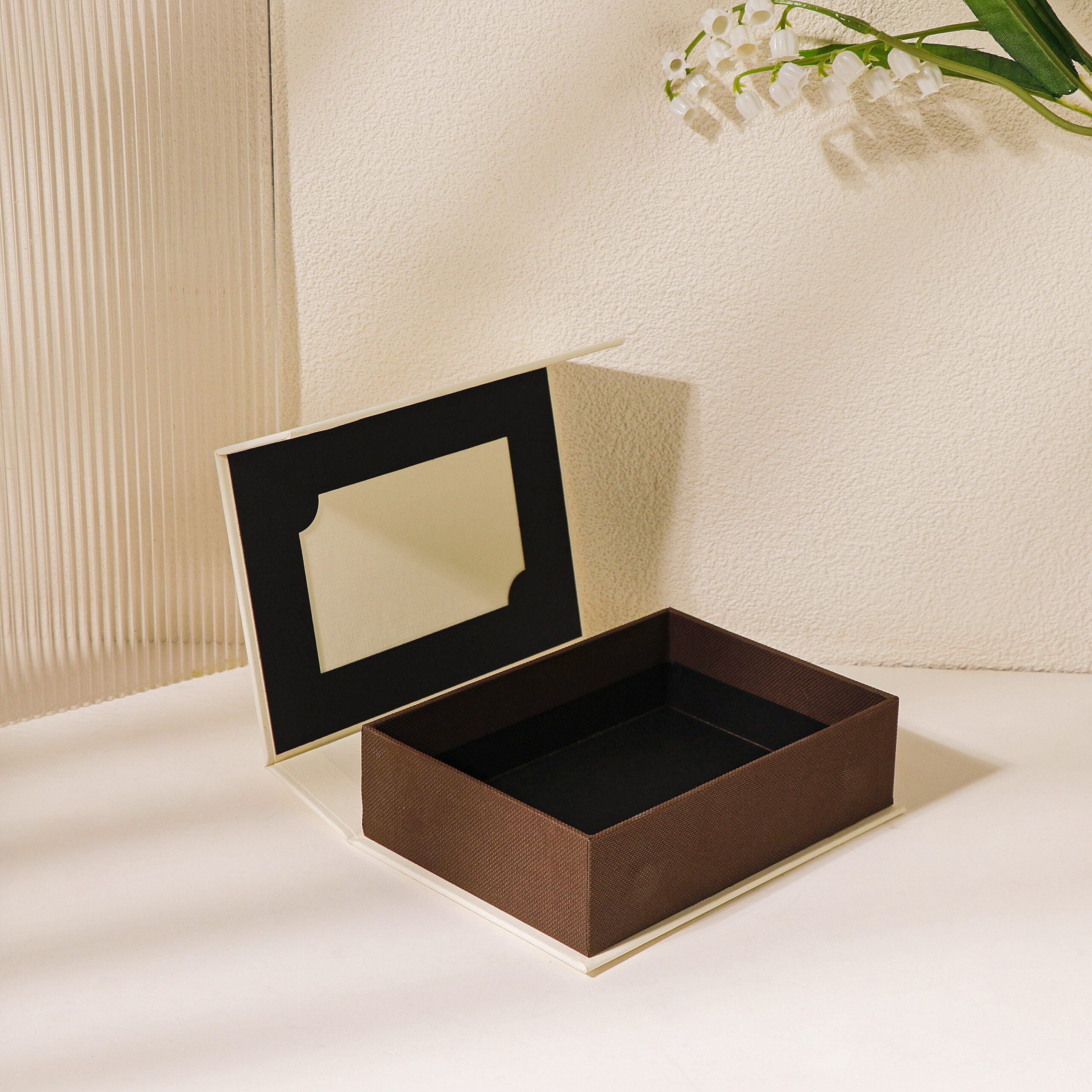
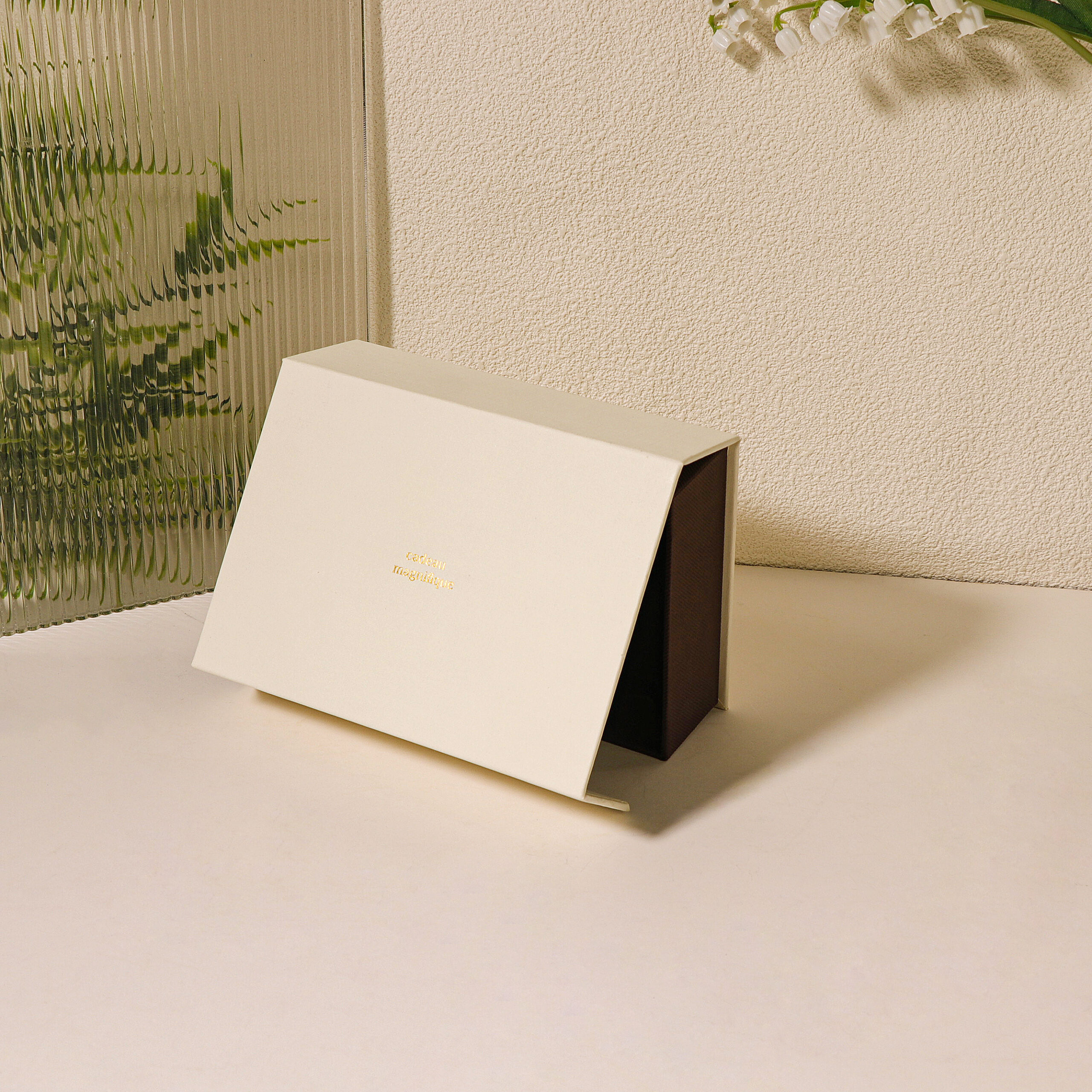
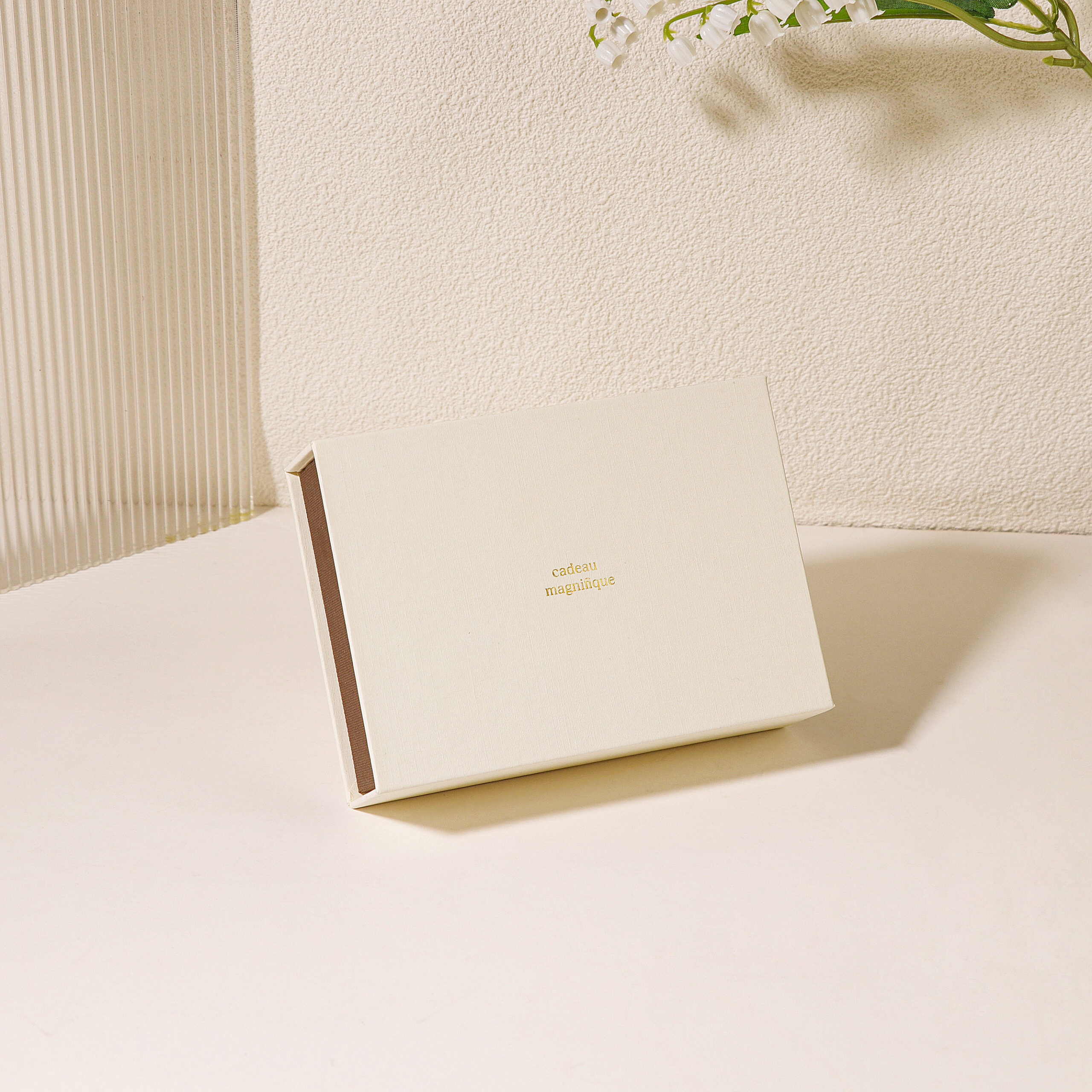
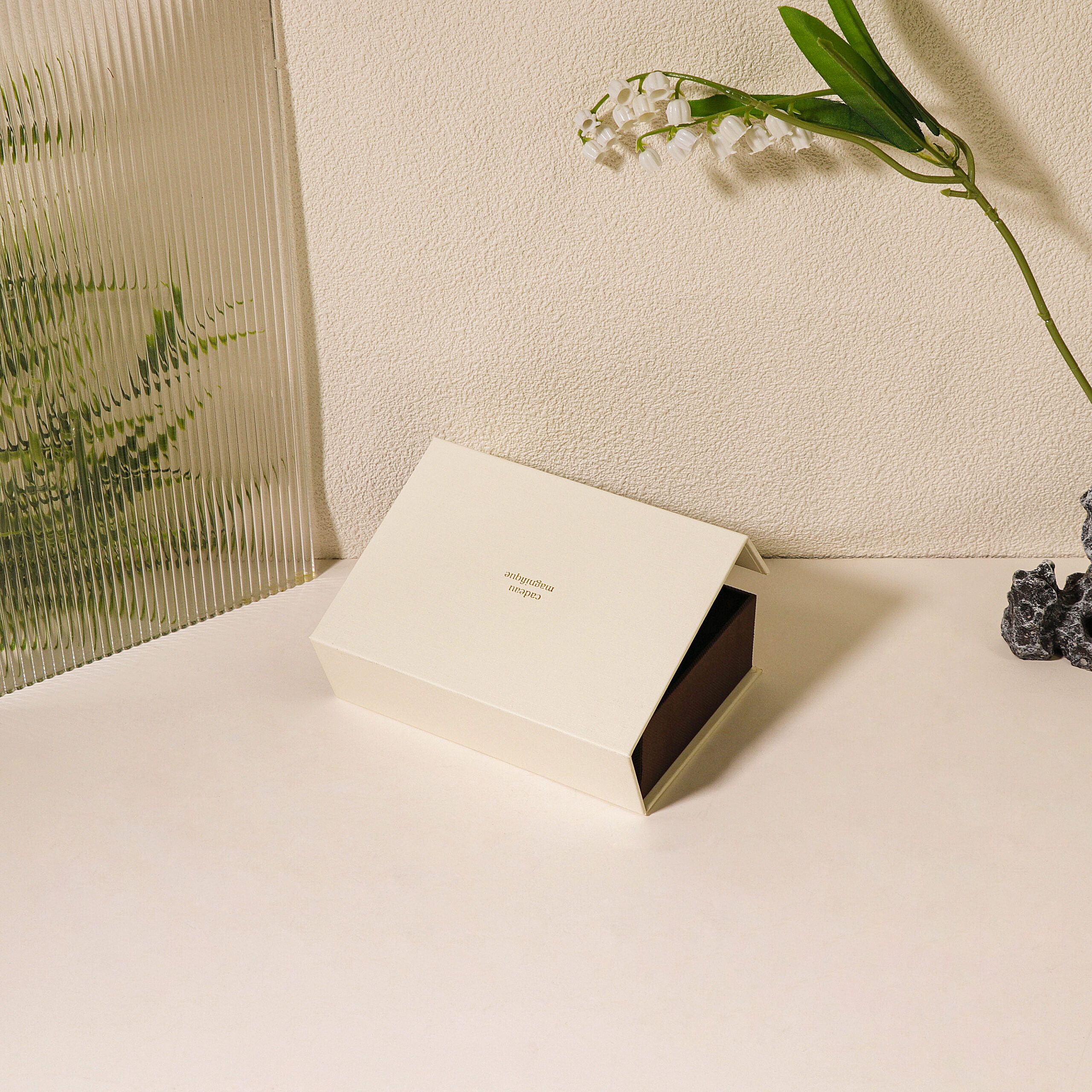
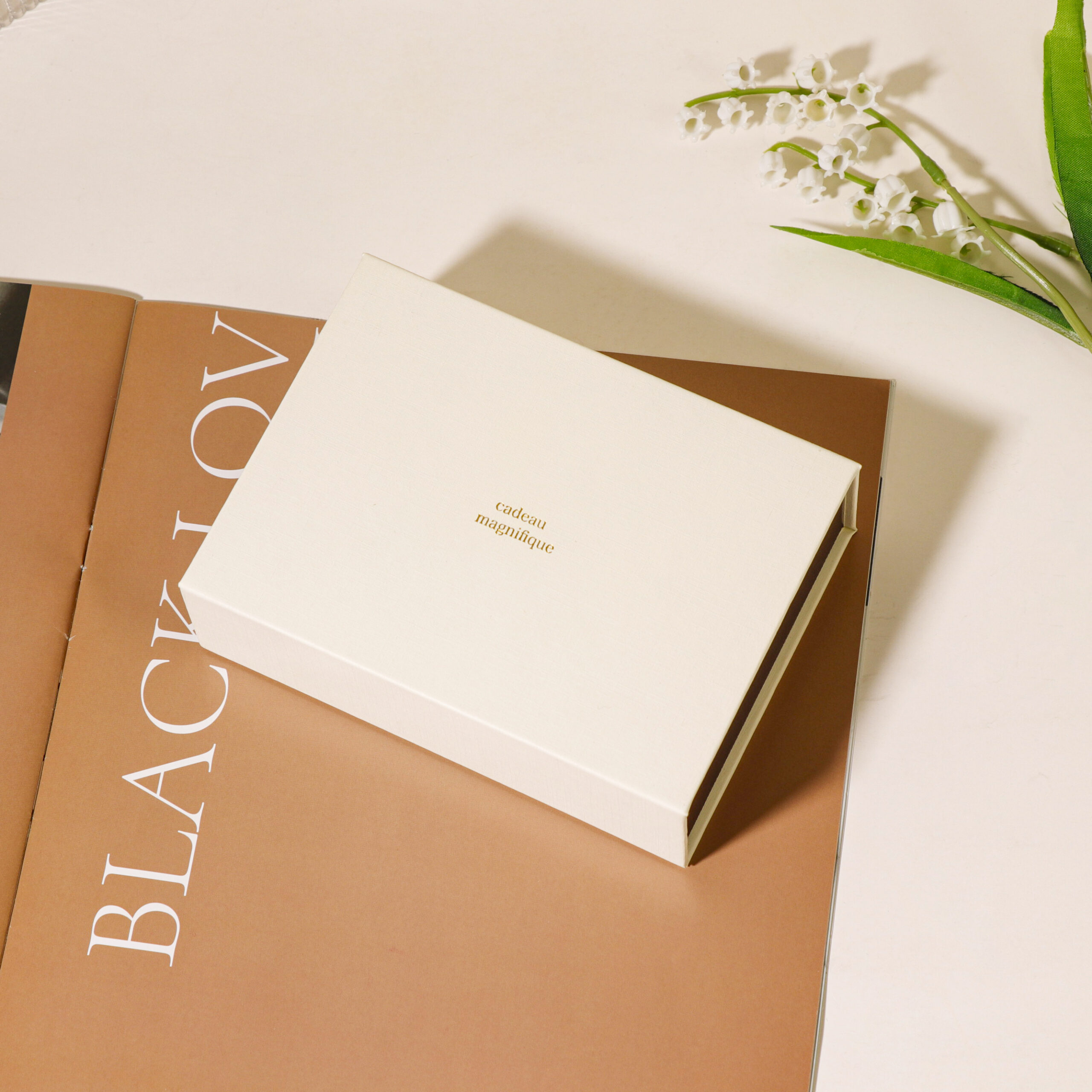
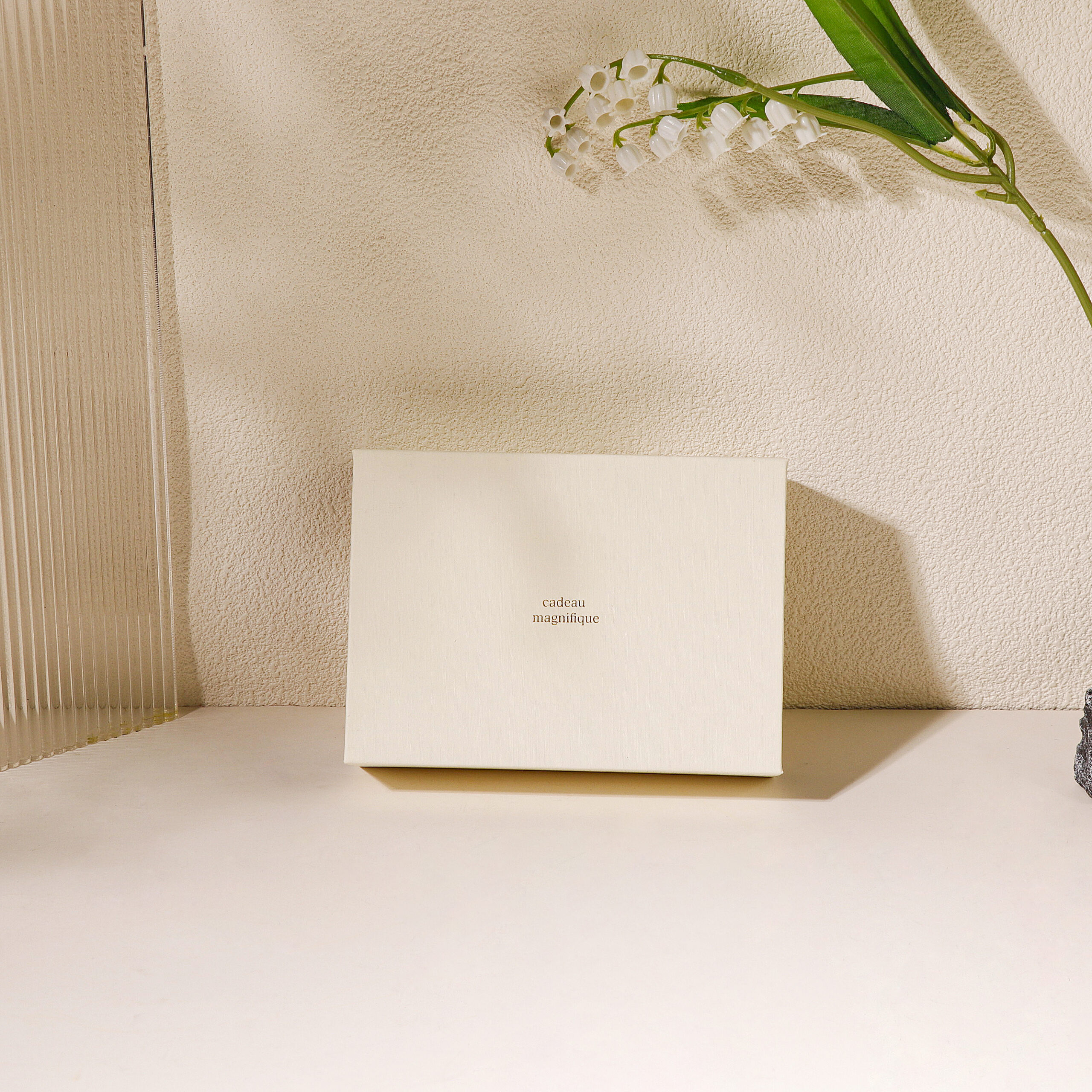
Perfume packaging boxes that protect and present: magnetic closure, paper drawer, paper tube packaging, folding carton. OEM/ODM, bulk supply, FSC, AQL inspections, color management, batch traceability, fast sampling for fragrance launches.
If you sell fragrance, you already know the liquid isn’t the whole product. The box does a ton of heavy lifting before anyone even smells the juice. It grabs attention on a shelf, tells your brand story, and keeps a fragile bottle from showing up cracked. On the B2B side, it also has to be easy to source, easy to QC, and stable across SKUs—or your launch gets messy.
For this article, I’ll tie the key “presentation” arguments to real packaging choices from perfume-box.com and the way buyers actually use them in retail, gifting, DTC shipping, and travel sizes.
Packaging drives first impressions and shelf appeal
In stores, people scan fast. Your perfume packaging boxes usually get the first “hello,” not the bottle. That’s why procurement teams obsess over front panel hierarchy (logo, scent name, collection, volume) and why brand teams care about texture, foil, and that clean “premium” look.
Shelf appeal keywords that move the needle
Color control / Pantone targets so the box looks the same across batches and SKUs (no “why is this one greener?” emails).
Crisp edges + clean creases (especially on cartons) so the pack doesn’t look soft or cheap at retail.
Windows when you want the bottle to sell the story (mini sets, travel retail).
If you’re building a range, keep your “family look” consistent, then let the scent variants show up in accent color or a small pattern shift. Small change, big clarity.
Brand recognition and logo printing
A perfume box is basically a branding billboard that customers hold in their hands. You want recognition in 1–2 seconds. That’s why you’ll see buyers request stuff like foil stamping, emboss/deboss, spot UV, soft-touch—not because it’s fancy for fun, but because it creates a “memory hook.”
Also, don’t ignore the boring-but-critical part: repeatability. Brand teams love surprise. Supply chains do not. When the site talks about AQL inspections, color management, and batch traceability, that’s the language buyers want to hear, because it means fewer returns and fewer reworks.
Packaging as a marketing surface
Your box doesn’t just look pretty. It can answer questions before they get asked:
What’s the scent family?
Is it a gift set?
Is it travel-friendly?
Does it feel “luxury” or “fresh and fun”?
On the production side, the site calls out practical support like dielines and fast sampling, which matters because your team needs sign-off quickly, then you need the run to stay consistent.
Protection: inserts, movement control, shipping risk
Perfume bottles are basically small glass grenades in transit. So “presentation” has to include protection, or you’re just paying for a prettier return label.
A strong setup usually includes:
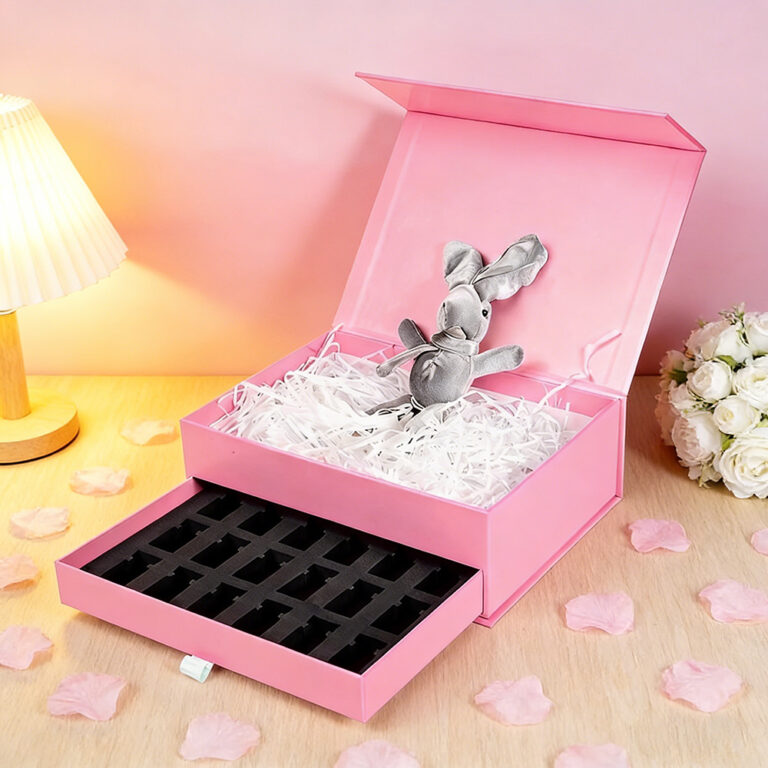
Precision-fit inserts (foam/EVA/velour/molded pulp) to stop movement and reduce damage.
Stable structure (rigid board, tight tolerances, balanced pull force on drawers).
Kitting-friendly layouts if you’re packing accessories (mini vials, blotters, QR cards).
When you do it right, the customer feels that “click” of quality. When you do it wrong, they feel rattle. And rattle kills trust fast.
Design elements that influence purchase behavior
Let’s keep this practical: buyers don’t only judge scent; they judge signals. In packaging, the signals are usually:
color and contrast
typography that reads premium
finish choices (matte vs gloss, soft-touch, spot UV)
structure choice (drawer, magnetic flip-top, tube, carton)
You don’t need to throw every finish at it. Pick 1–2 hero effects, then keep everything else clean. It reads more confident.
Creative packaging design and the unboxing experience
Unboxing isn’t only a social-media thing. It’s also a brand ritual—especially in gifting and luxury. A box that opens smoothly, feels solid, and reveals the bottle in a controlled way makes the product feel “worth it.” That’s why structures like magnetic flip-tops, slide-out drawers, and tubes stay popular.
And yeah, sometimes the simplest move is best: make the opening feel intentional, not fiddly. Nobody wants to wrestle a box.
Box structure picks for real-world use cases
Here’s how teams usually match presentation goals to actual structures (and why it helps with sourcing).
Perfume boxes category
If you’re comparing structures in one place, start here: Perfume Boxes(all styles, B2B focus).
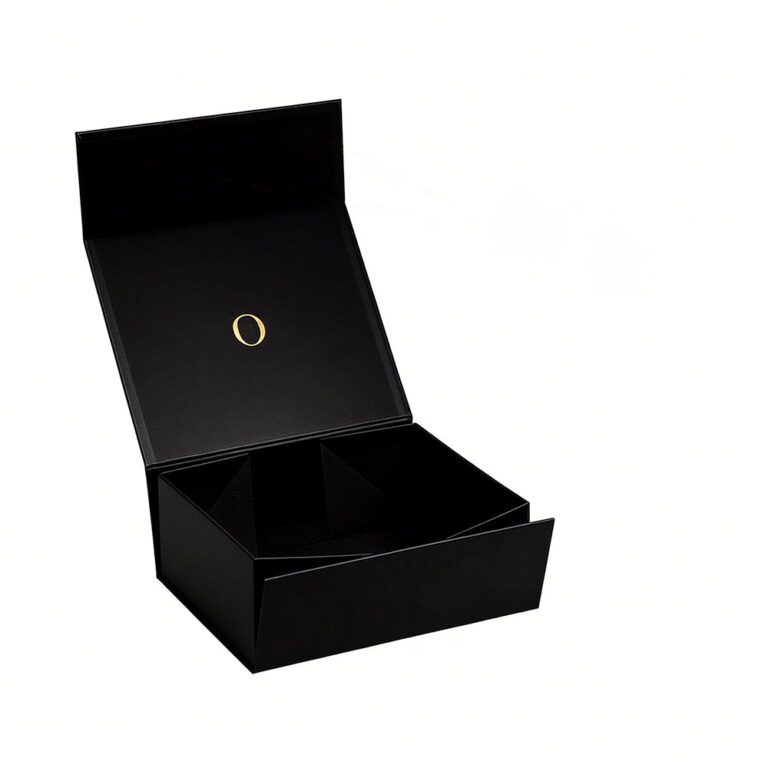
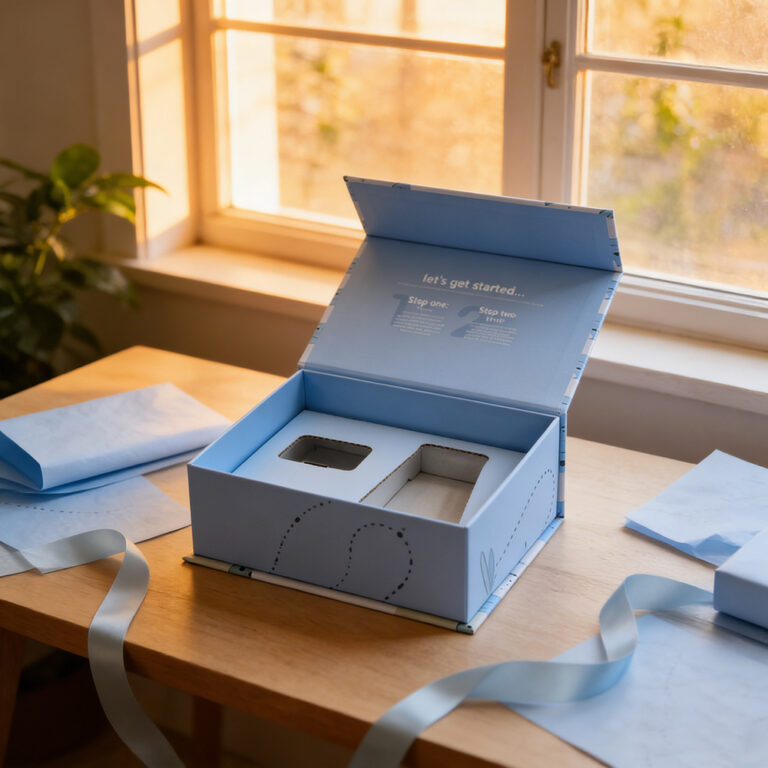
Use these when you need gift-ready luxury and a strong “open/close” ritual. They also work great for influencer sets and premium retail.
Paper Drawer Boxes
Use these when you want a smooth reveal and tight control of bottle position (plus room for extras). Buyers like drawers because you can spec ribbons or metal pulls and tune the pull force so it feels expensive, not sticky.
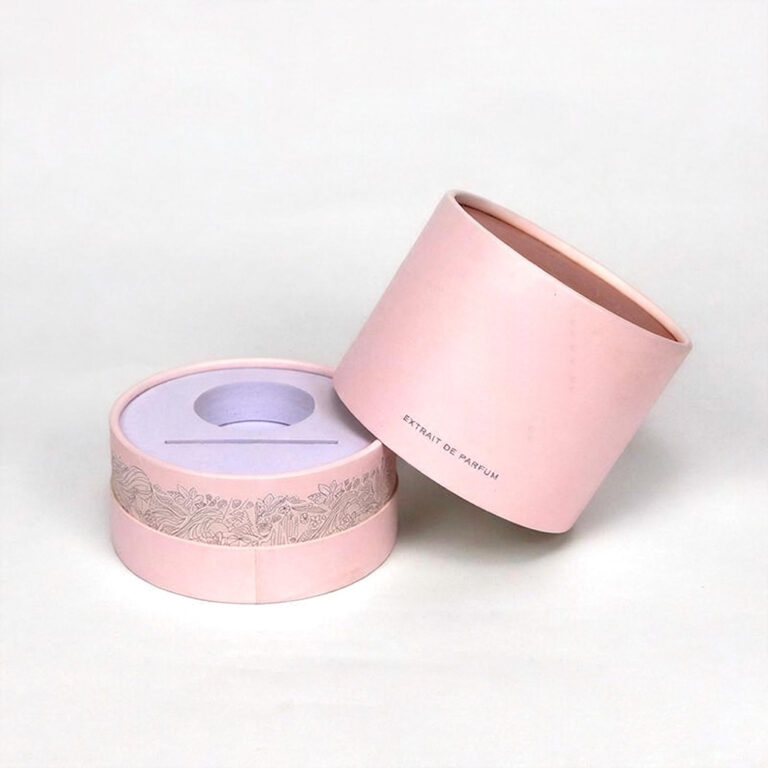
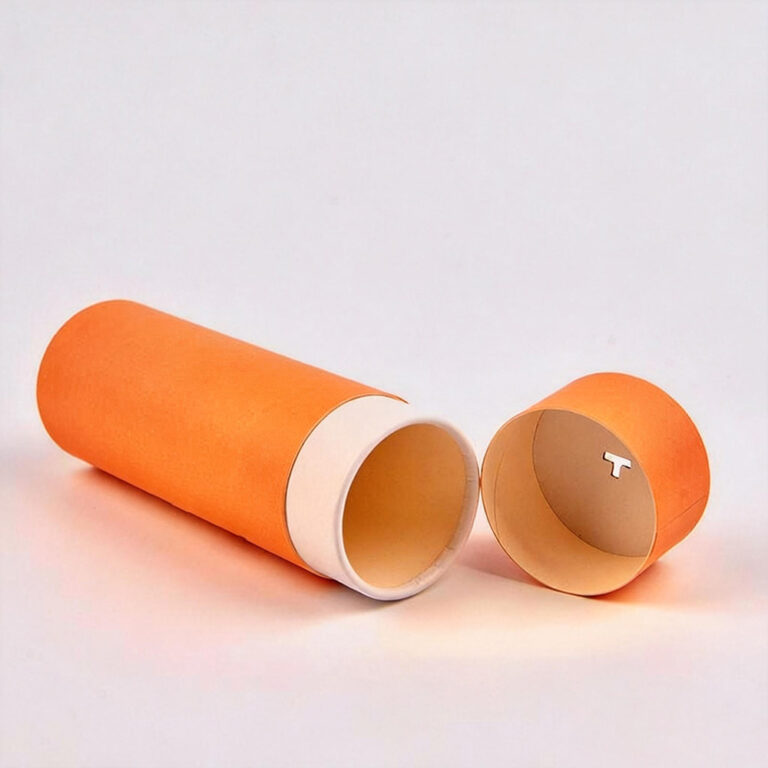
Use tubes when you want eco-friendly vibes with a premium feel, especially for modern lines, essential oil styles, or limited drops. The site positions tubes as a paper/paperboard option with print/finish flexibility and a “premium unboxing experience.”
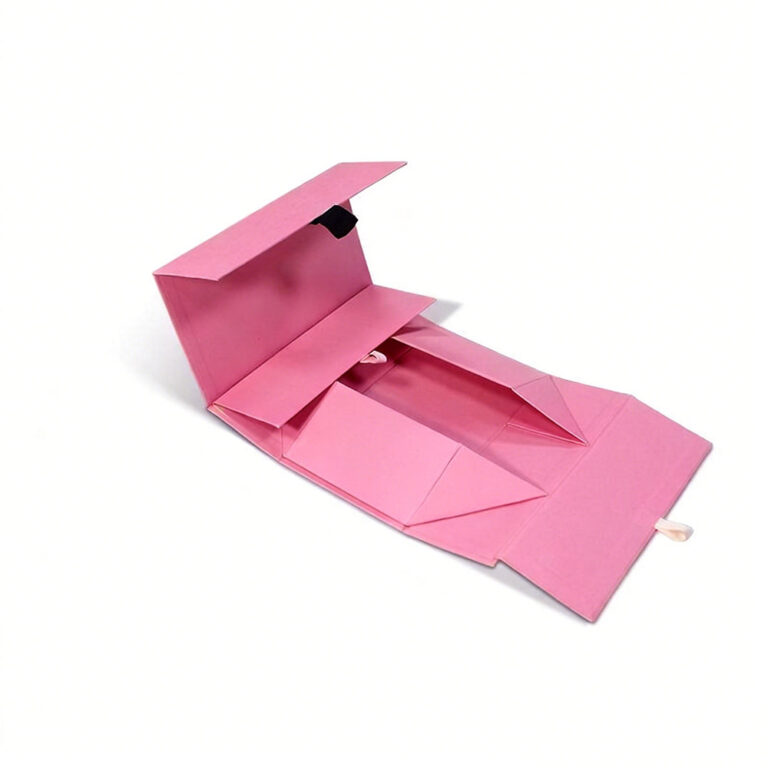
Use cartons for minis, travel sizes, sampling, and fast-changing campaigns. The site calls out cartons as lightweight and cost-smart, with crisp creases and optional windows.
Proof table: presentation goals, practical specs, and sourcing signals
Presentation goal (argument)
What to spec (so it actually works)
Best-fit structure keyword
Buyer pain it solves
First impressions + shelf appeal
Pantone targets, clean edges, optional windows
Folding Carton
Shelf looks consistent across SKUs
Brand recognition
Foil, emboss/deboss, spot UV, soft-touch
Perfume Boxes
“Premium” feel without overdesign
Marketing surface
Clear front hierarchy + stable dielines
Paper Drawer Boxes
Faster approvals; less back-and-forth
Protection in transit
Precision-fit inserts (foam/EVA/velour/pulp)
Paper Drawer Boxes
Stops rattle + reduces breakage
Unboxing experience
Smooth open/close, controlled reveal
Magnetic Closure Boxes
Better gifting + repeat purchase feel
Bulk sourcing confidence
AQL inspections, color management, batch traceability
OEM/ODM perfume boxes
Fewer QC surprises at scale
Supply ability
39 years experience; up to 1,000,000/day
OEM/ODM manufacturer
Large-volume launches stay on schedule
Quick sourcing notes for B2B buyers
If you’re a buyer (or you’re selling to one), here’s what usually gets a “yes” internally:
OEM/ODM support with dielines, fast sampling, and stable production flow.
Certs and compliance language like FSC and ISO, because legal and ESG teams ask.
Launch-ready ops: QC terms (AQL), traceability, color management—so you can scale without drama.
Honestly, buyers don’t want “pretty.” They want pretty that ships, pretty that repeats, and pretty that doesn’t create 200 tickets in the first week.
Since 1985, we’ve been a factory-direct partner for OEM/ODM custom luxury perfume boxes in China. One team handles design, sampling, production, and export logistics. Strict QC delivers on-brand packaging, fair pricing, and reliable lead times.
Flexible & Professional OEM/ODM Solutions
Agile OEM/ODM support with low MOQs and fast turnaround. Our engineers refine dielines, optimize structures and build custom inserts to protect each bottle. From concept to pre-prod samples, we accelerate launches with predictable cost and risk.