Important Information Before Buying The Perfume Boxes
Buying perfume boxes for a launch or wholesale run? Start with the bottle size, insert fit, and the sales channel. Then choose a box style like magnetic closure, clamshell, folding carton, or paper tube. Keep label text readable and plan sampling, QC, and production timing with your OEM/ODM partner.
Buying perfume boxes sounds simple. Then you get hit with real-life stuff: glass bottles cracking in transit, Pantone looking “off” on the shelf, inserts that don’t fit, and a label layout that fails compliance. Yeah… been there, seen it.
If you’re sourcing for a big brand procurement team, a startup doing its first drop, or a packaging trader bundling orders, this guide keeps you out of trouble—and helps you pick a perfume box that actually sells. (And yes, OEM/ODM and bulk runs are exactly what this is built for.)
Here’s the product category hub if you want to browse styles while reading: perfume boxes
Understand Your Brand Identity
Don’t start with “what box looks nice.” Start with brand identity. Your box is the first touch. It should match your scent story—clean, bold, romantic, niche, or ultra-lux.
Quick scenario: You’re launching a niche incense vibe scent. If you throw it in a glossy, loud rigid box, the shelf message gets weird. You want texture, calm colors, and a finish that feels “quiet expensive.”
Also, if you’re doing OEM/ODM, your supplier can help translate that identity into structure + materials + finishes (dielines, inserts, prepress checks). That’s the boring-but-important part that keeps your brand consistent at scale.
Define Your Target Audience
Your buyer scans fast. So you need the box to “speak their language.” Age, lifestyle, gifting habits, and where they buy (boutique vs. TikTok shop vs. duty-free) changes what works.
Real talk: A gift buyer wants drama (unboxing, magnet snap, ribbon pull). A repeat buyer wants clean info and storage-friendly structure. If you mix them up, conversion drops and you won’t even know why.
Choose the Right Material
Material isn’t just “paper.” It controls durability, texture, printability, and sustainability. Common picks include cardboard, paperboard, corrugated board, and specialty papers.
If you’re shipping glass bottles, don’t cheap out on strength where it matters. You can still keep it cost-smart by using the right structure + insert combo, not just thicker board everywhere.
FSC-certified paper
A lot of buyers ask about FSC now. FSC labeling signals the material met chain-of-custody requirements through the supply chain.
Your site also calls out FSC materials as part of its OEM/ODM offering, which helps when you’re selling into retailers who ask for sourcing proof.
Consider Packaging Design and Structure
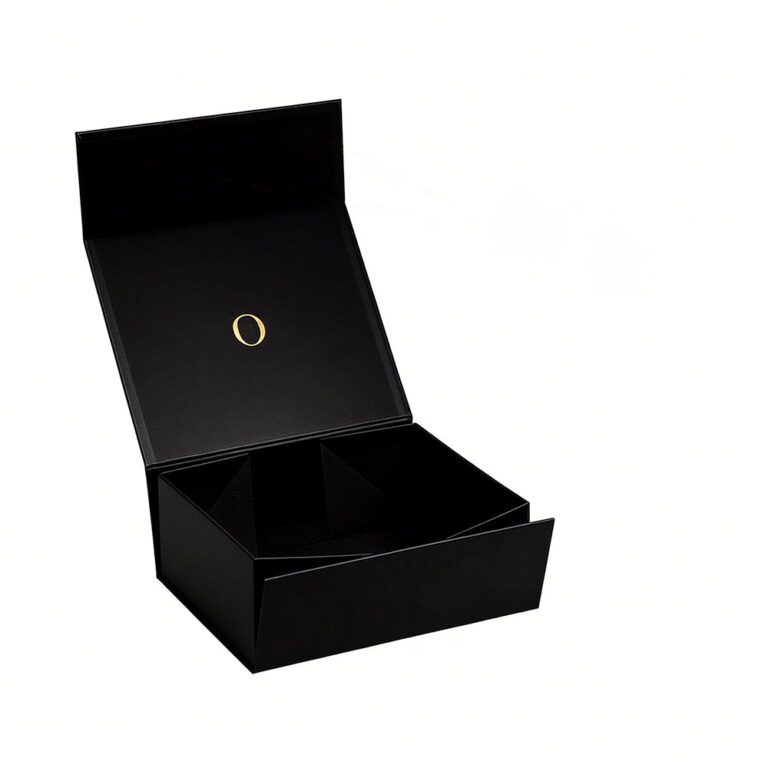
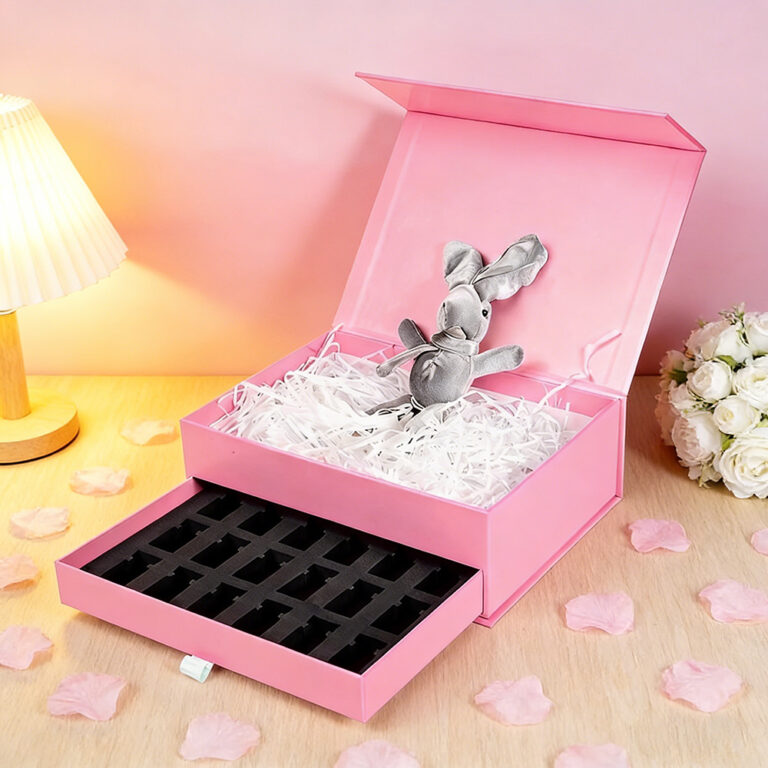
Structure is where you win or lose. Think “shelf impact + shipping survival + assembly speed.” Custom perfume boxes often add magnetic closures, embossed logos, die-cut windows, or ribbon accents for a better unboxing.
Magnetic Closure Boxes
If you want that clean luxury “snap,” go with Magnetic Closure Boxes. Your page highlights tight alignment, bottle-safe fit, FSC materials, and OEM/ODM programs built for repeatable assembly. It also mentions MOQ and fast samples, which matters a lot when you’re pushing a launch calendar.
Clamshell Gift Boxes
If you need a hinged, book-style reveal (great for gifting and PR), Clamshell Gift Boxes give you wraparound protection with a premium open. Your page also calls out Pantone control, prepress checks, and QA reports for retail-ready consistency.
Folding Carton
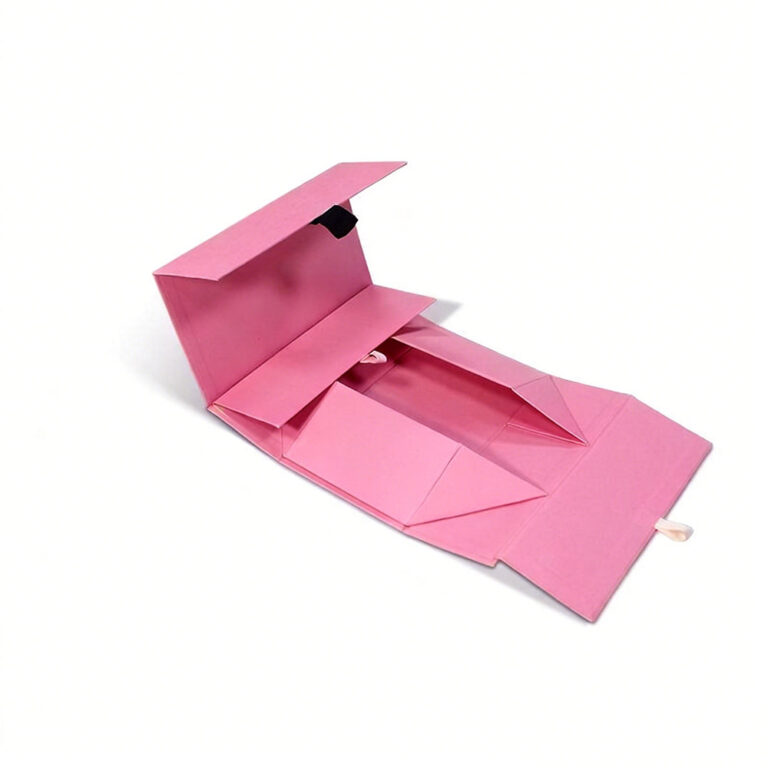
If you’re doing minis, travel sizes, or high-SKU campaigns, folding cartons can be lightweight and efficient. Your folding carton page positions them as cost-smart secondary packs with crisp creases and optional windows, plus OEM/ODM Pantone control and rapid changeovers. Browse here once: Folding Carton
Paper Tube Packaging
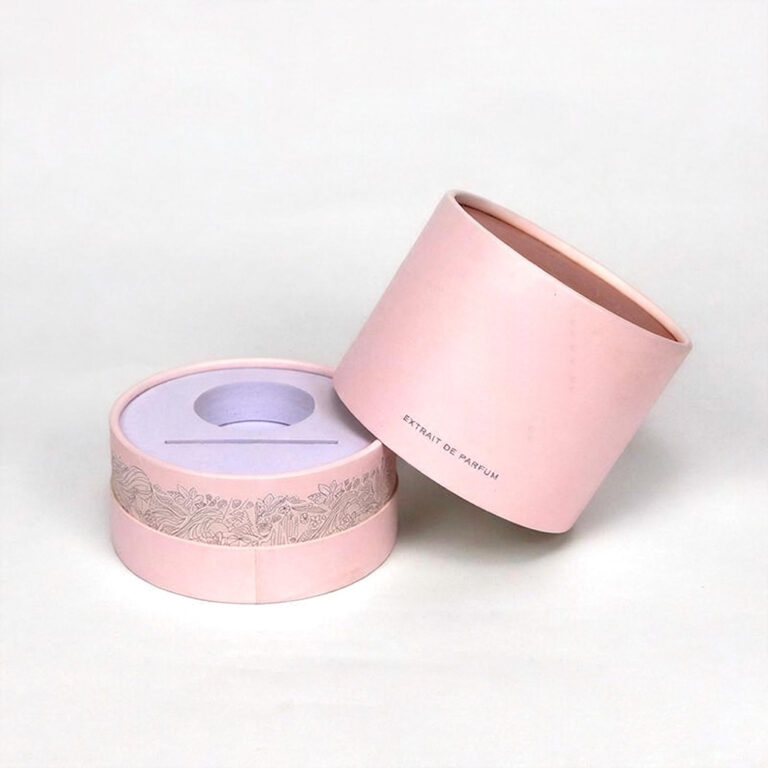
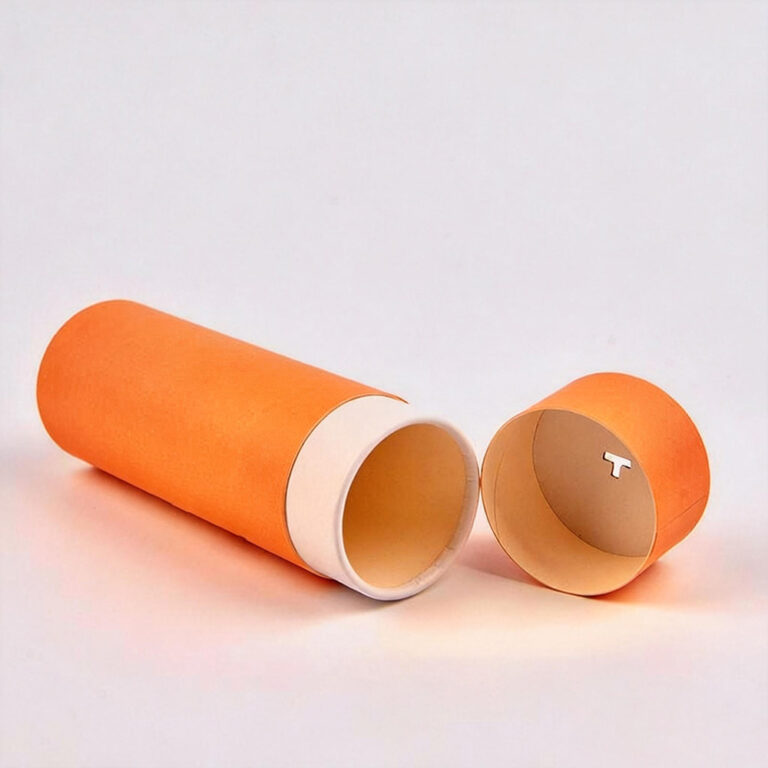
For eco-forward or “collectible” vibes, tubes feel fresh and premium. Your tube category frames them as cylindrical paper containers that protect bottles, replace plastic/metal in some use cases, and support lots of printing + finishes. See options: Paper Tube Packaging
Focus on Branding and Personalization
Branding basics: logo placement, color control, and readable type. Personalization adds that “made for me” energy—labels, monograms, custom touches for limited drops.
Here’s the industry pain point: if your Pantone drifts between batches, distributors complain and your shelf photos look inconsistent. That’s why processes like Pantone targets + prepress proofs + QA reports show up on your product pages.
Ensure Compliance with Regulations
If you sell into the U.S., don’t wing it. FDA guidance points you to required cosmetic labeling elements, and 21 CFR Part 701 covers ingredient declarations and net quantity statements.
Two common “oops” moments:
Ingredient declaration sizing rules: 21 CFR 701.3 discusses ingredient declaration and exceptions, and it notes outer containers like folding cartons matter.
Net quantity of contents: 21 CFR 701.13 requires a net quantity statement on package form cosmetics and gives placement/format guidance.
Not legal advice, but if you plan to export, treat compliance like a design input—not a last-minute sticker fix.
Focus on Sustainability
Sustainability isn’t only “use recycled paper.” It’s the full combo: FSC paper, cleaner inks, and structures that reduce waste without hurting protection.
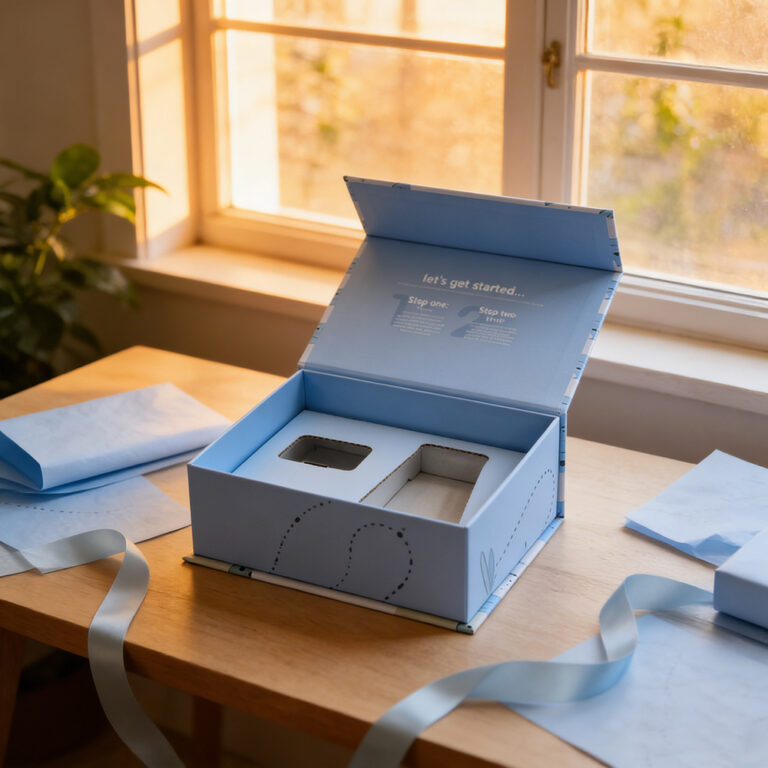
Also, sustainability can be a sales story, not just a cost. Some brands literally print the sourcing message inside the lid, like a small “brand promise” moment.
Evaluate Production Lead Times and Costs
Custom packaging needs time for sampling, revisions, and mass production planning. The article you referenced calls out that custom work often takes longer because of design iterations and prototyping.
On your site, you position fast sampling and quick production windows for wholesale perfume boxes, plus end-to-end OEM/ODM support (design → sampling → production → delivery). That helps buyers who live on tight launch schedules.
(And yeah, don’t ask for “rush” after you change the dieline three times. It don’t end well.)
Test Packaging for Durability and Functionality
This one saves money and headaches: test early. Drop tests, compression tests, transit simulations—do them before you approve mass production.
Practical tip: If your insert fit is even slightly loose, the bottle can “micro-rattle.” Over long shipping, that turns into chips, scratches, or leaks. A tighter EVA/foam insert (or molded pulp, depending on positioning) fixes a lot of claims.
Partner with a Reliable Packaging Supplier
A good supplier does more than print. They manage dielines, inserts, QC, and consistency across bulk runs. as factory-direct OEM/ODM with long operating history, large daily output, and a full range of rigid boxes + tubes. It also calls out Shenzhen-based manufacturing (since 1985), plus finishes like foil, emboss/deboss, and spot UV—exactly the stuff fragrance brands ask for.
A buyer-friendly checklist (with sources)
What you should check
Why it matters in real life
Brand identity + audience
Keeps design from feeling “off” for the buyer
Material choice (paperboard/corrugated/specialty)
Controls strength, texture, print quality, and sustainability story
Impacts unboxing, shelf impact, assembly speed, and transit safety
Insert fit (EVA/foam/pulp)
Stops bottle movement, reduces breakage and returns
Label compliance: ingredients + net quantity
Avoids relabeling, customs issues, and retailer rejection
Sampling + prepress + Pantone control
Keeps color consistent across bulk orders and SKUs
Durability testing (drop/compression/transit)
Prevents “looks premium, ships terrible” problems
Sustainability proof (FSC chain of custody)
Supports retailer requirements and eco buyer trust
Before you buy perfume boxes, match brand identity, pick the right material and structure, protect the glass bottle, nail labeling, and plan sampling, MOQ, and lead time.
Buying perfume boxes for a launch or wholesale run? Start with the bottle size, insert fit, and the sales channel. Then choose a box style like magnetic closure, clamshell, folding carton, or paper tube. Keep label text readable and plan sampling, QC, and production timing with your OEM/ODM partner.
Since 1985, we’ve been a factory-direct partner for OEM/ODM custom luxury perfume boxes in China. One team handles design, sampling, production, and export logistics. Strict QC delivers on-brand packaging, fair pricing, and reliable lead times.
Flexible & Professional OEM/ODM Solutions
Agile OEM/ODM support with low MOQs and fast turnaround. Our engineers refine dielines, optimize structures and build custom inserts to protect each bottle. From concept to pre-prod samples, we accelerate launches with predictable cost and risk.