How To Choose The Best Sizes For Perfume Packaging
Guide to choosing perfume packaging sizes for different use cases, from samples to signature bottles. Includes size ladder ideas, box style choices, logistics and sustainability tips, plus practical OEM/ODM notes from perfume-box.
If you run a perfume brand, you probably already know this: bottle size is not just a number on the label. It affects your price ladder, your margin, your logistics, even your brand story on the shelf.
Let’s walk through how to choose the best sizes for perfume packaging in a more real-life way, with simple size rules, box ideas, and a few “factory-side” tips from the packaging world.
Perfume Bottle Sizes and Usage Scenarios
Before you talk about box sizes, you need a clear view of the bottle volumes and how your customers actually use them.
Common perfume bottle sizes and how people use them
Bottle size (ml)
Typical usage scenario
Approx. sprays (rough)
Who it fits best
5–10 ml
Samples, discovery sets, travel minis
~50–100
New users, travel retail, subscription sets
15 ml
Pocket size, upsell at checkout
~150
Impulse buyers, gift-with-purchase
30 ml
Entry bottle, gifts, niche fragrances
~300
People testing a new scent for a season
50 ml
Core SKU, daily wear
~500
Mainstream users, first big bottle
100 ml
Signature scent, loyal users
~1000
Fans who stick to one or two fragrances
You dont need every size for every SKU. But you do need a clear logic:
Smaller sizes reduce trial risk.
Bigger sizes push value-per-ml and long-term loyalty.
Mid sizes (30 ml / 50 ml) usually become your volume driver SKUs.
Match Perfume Bottle Volume With Your Customer Use Case
Small perfume sizes 5–15 ml for samples and travel
5–15 ml sounds small, but it’s a workhorse size:
Great for online first orders.
Perfect for airport travel retail or gift sets.
Easy to bundle into discovery kits.
If you sell many scents, small bottles help you avoid dead stock. Customers test a few, then come back for 30 ml or 50 ml. From the packaging side, you can use simple folding carton or slim paper tube packaging to keep cost and tare weight low.
Medium perfume size 30 ml for new launches and gifts
30 ml is kind of the “sweet spot”:
Not scary for a new buyer.
Still looks like a “real bottle”, not just a sample.
Works well as gift size and for seasonal drops.
When you do a new launch, a 30 ml SKU plus small minis can help your marketing team test the water without pushing huge inventory. Many niche brands treat 30 ml as their hero size, then add 50 ml or 100 ml later if sales hit target.
Standard perfume sizes 50 ml and 100 ml for core SKUs
50 ml and 100 ml are your “workhorse” volumes:
50 ml: everyday bottle, easy to justify, easy to gift.
100 ml: value size for users who already love the scent.
For these, the box and unboxing experience matter more. This is where you consider rigid boxes, foam or EVA insert, and embellishments like foil, embossing and spot UV. For example, a 50 ml luxury bottle fits very well in a rigid magnetic closure box with custom insert, especially for premium lines.
Perfume Packaging Size Guide for Boxes
Once the bottle is locked, you size the box around it. The goal is simple:
Enough room for inner tray and cushioning.
Not so big that it wastes material or looks half empty.
Box dimensions for 30 ml and 50 ml perfume bottles
These are rough ranges that many brands use for rectangular bottles and boxes (you still need a dieline check, of course):
Bottle size
Typical bottle style
Approx. box inner size (L × W × H, mm)
Box type ideas
30 ml
Slim rectangular bottle
~100–110 × 65–75 × 30–35
Lid and base, clamshell, paper drawer
50 ml
Rectangular bottle
~120–130 × 80–90 × 40–45
Magnetic closure, shoulder & neck lid and base
100 ml
Chunky rectangular
~140–160 × 90–110 × 50–60
Shoulder & neck, luxury clamshell, drawer box
These ranges give enough space for:
Bottle + spray pump + cap
Inner tray (cardboard, foam, or molded pulp)
A bit of clearance, so nothing scratches during transport
If you want a quick “all in one” view of structures, you can check the main perfume boxes category from perfume-box and map each box style to your bottle line.
Perfume Box Styles and When to Use Them
Different box structures fit different sizes and price points. Some quick pairings:
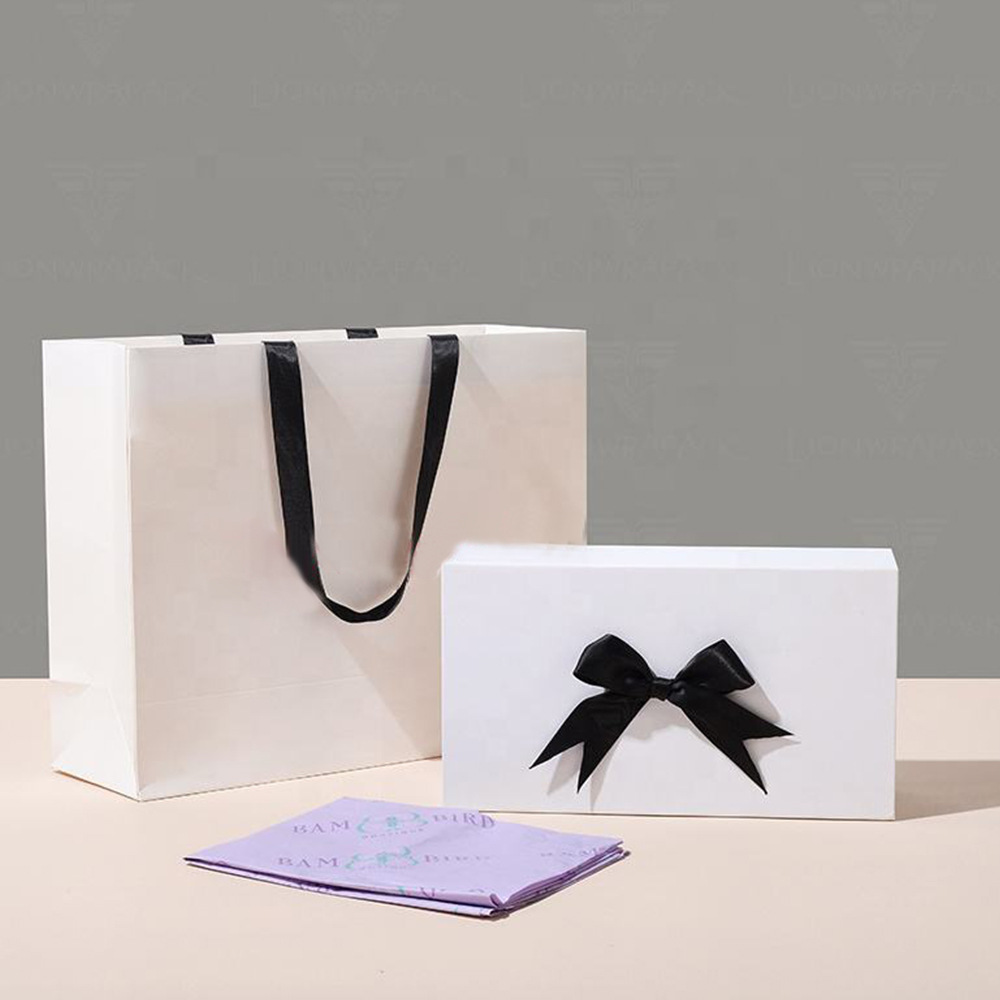
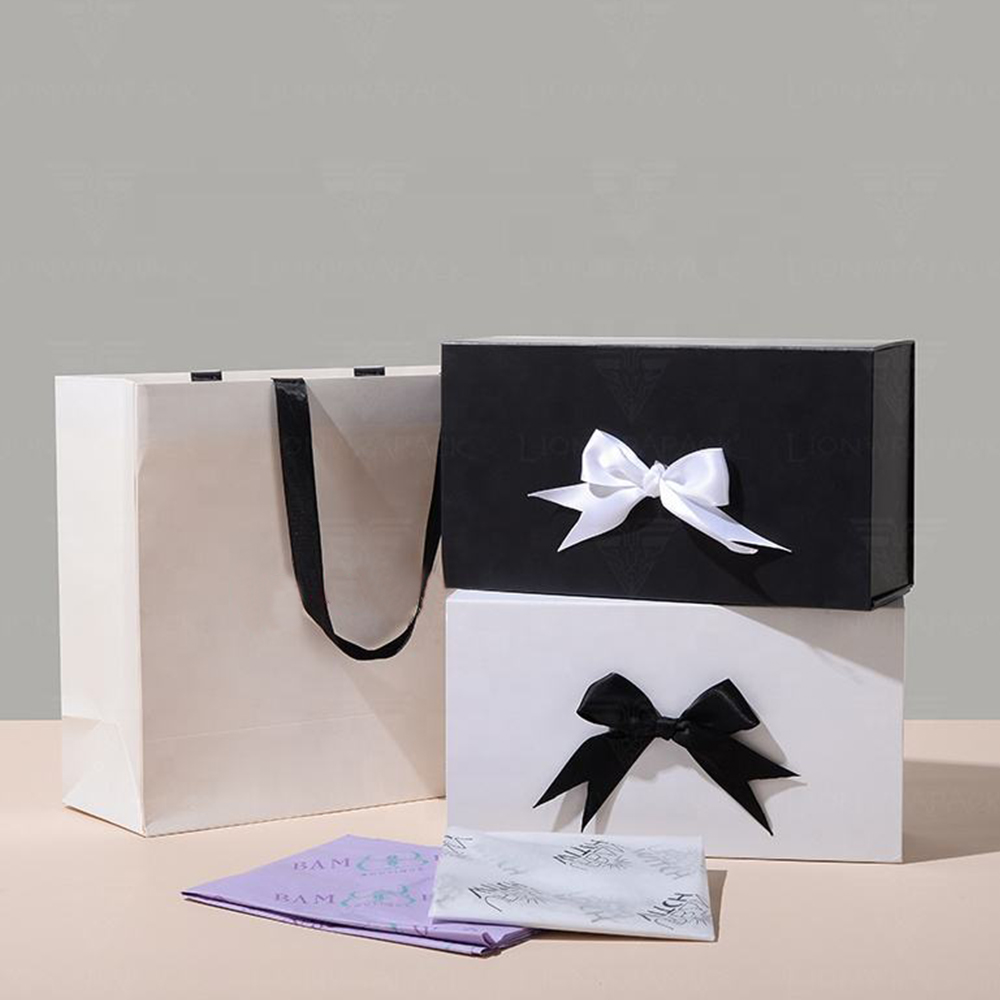
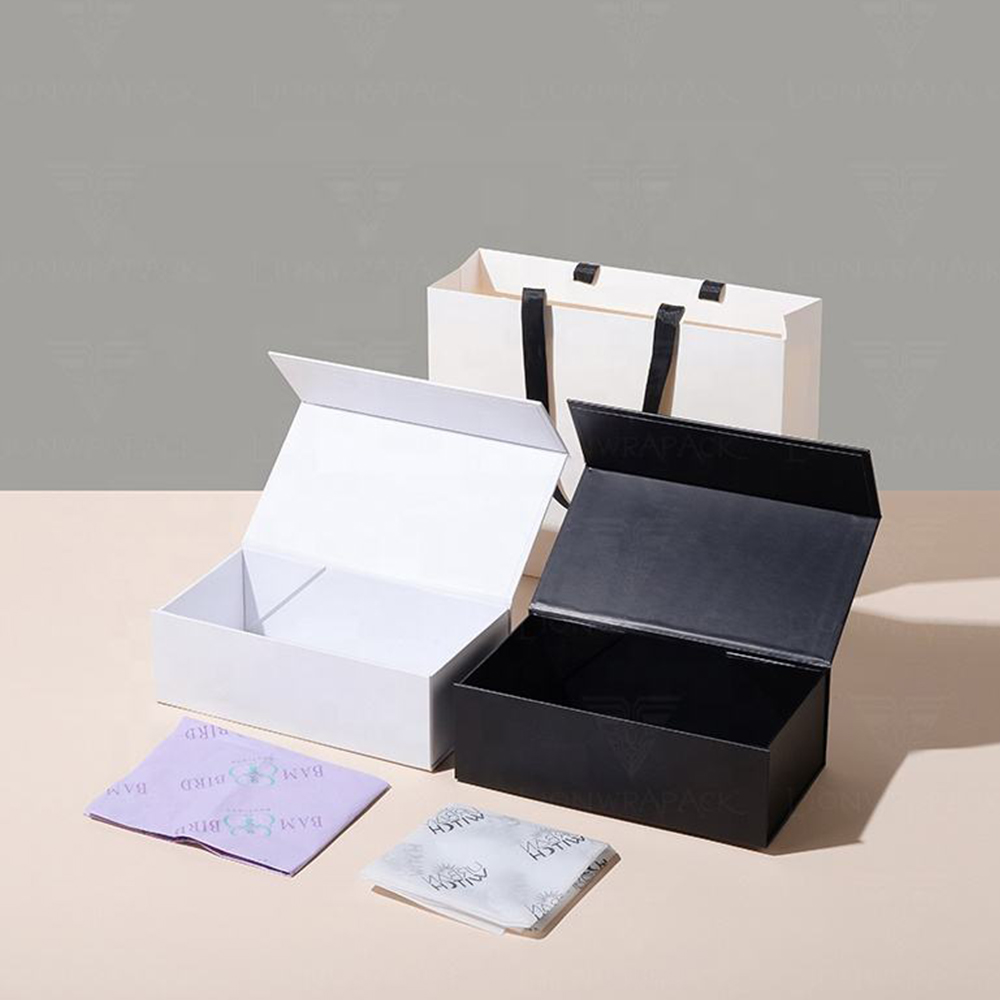
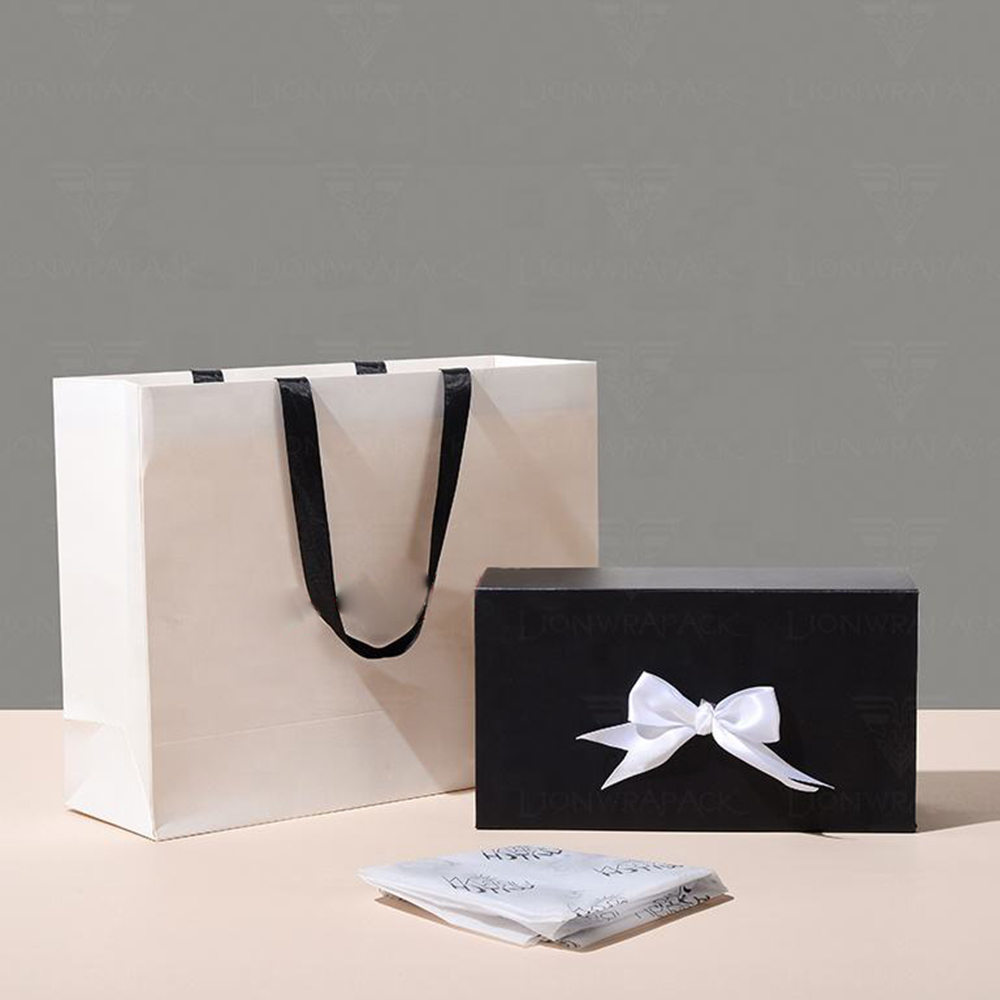
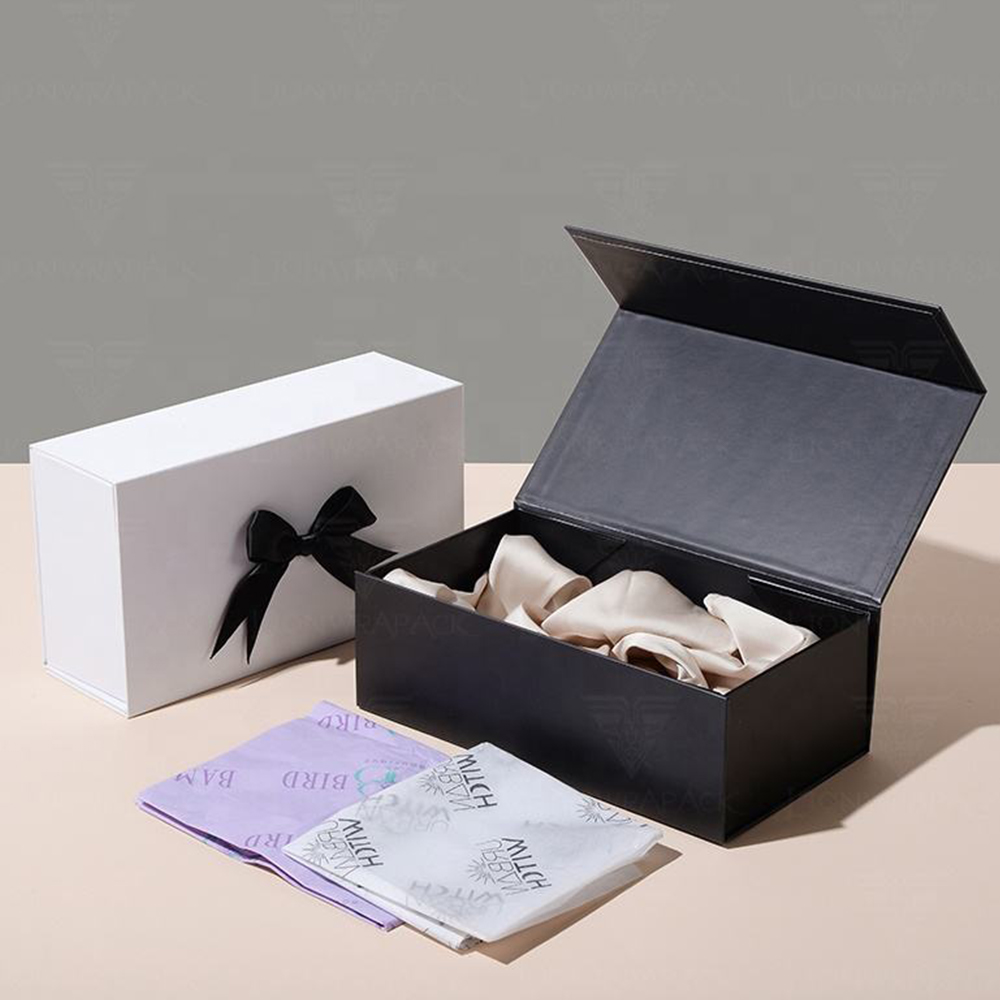
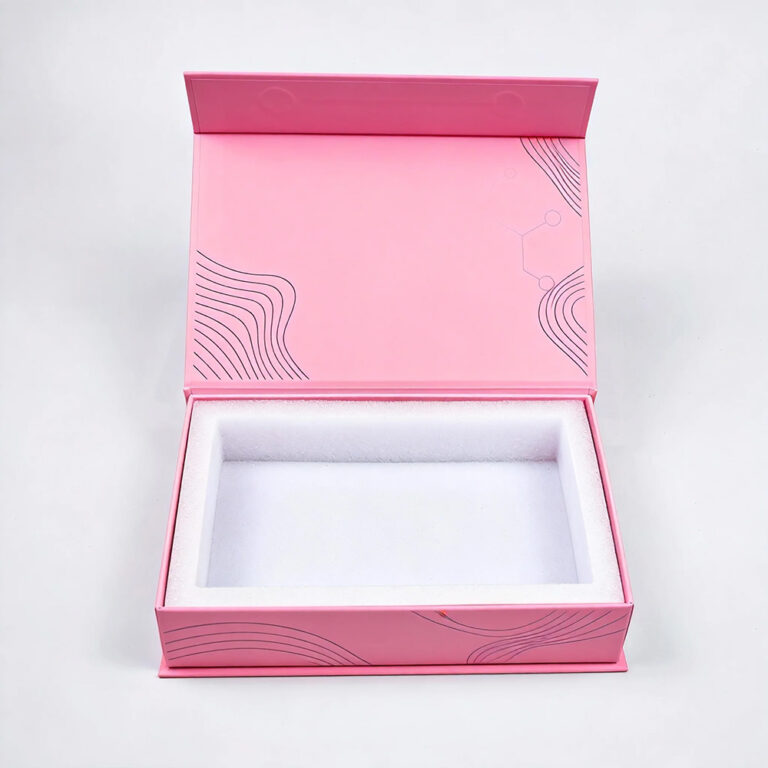
Magnetic closure boxes – Good for 50 ml / 100 ml prestige lines, PR kits, and limited editions. The closure give stronger “luxury” feel.
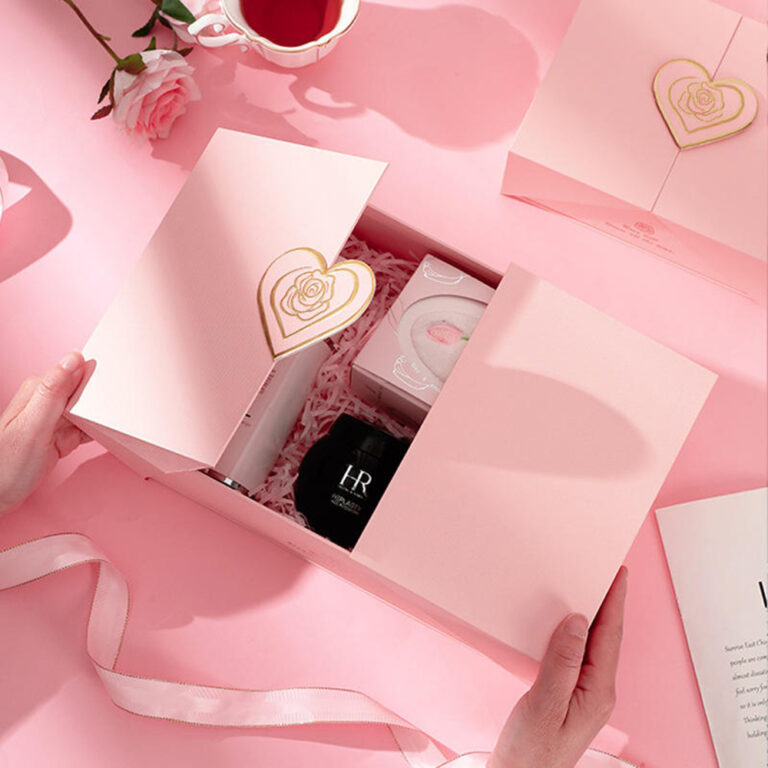
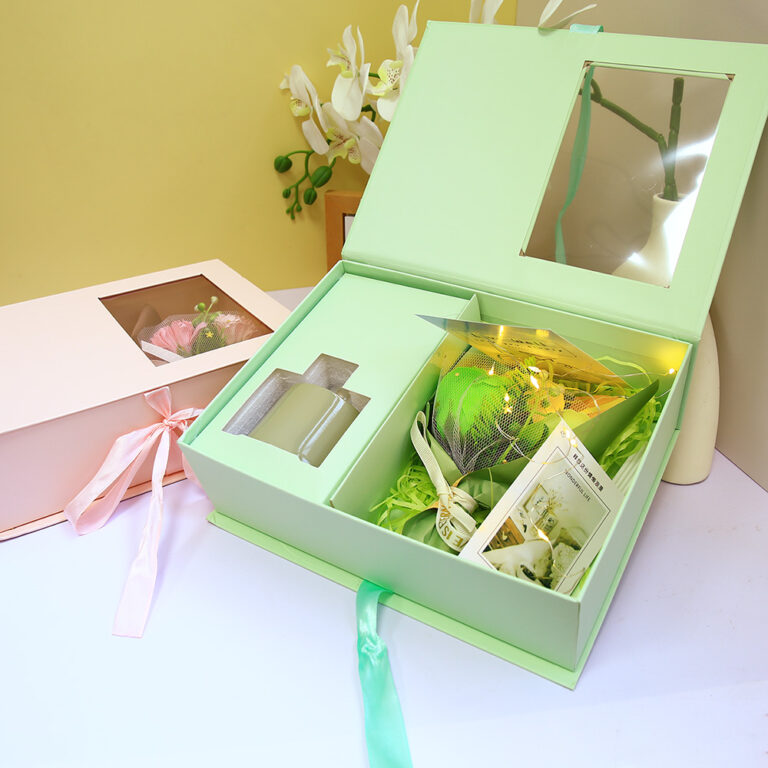
Clamshell gift boxes – Work nicely when you show bottle plus extras (rollerball, mini, body lotion). This is great for sets and holiday SKUs; see clamshell gift boxes for layout ideas.
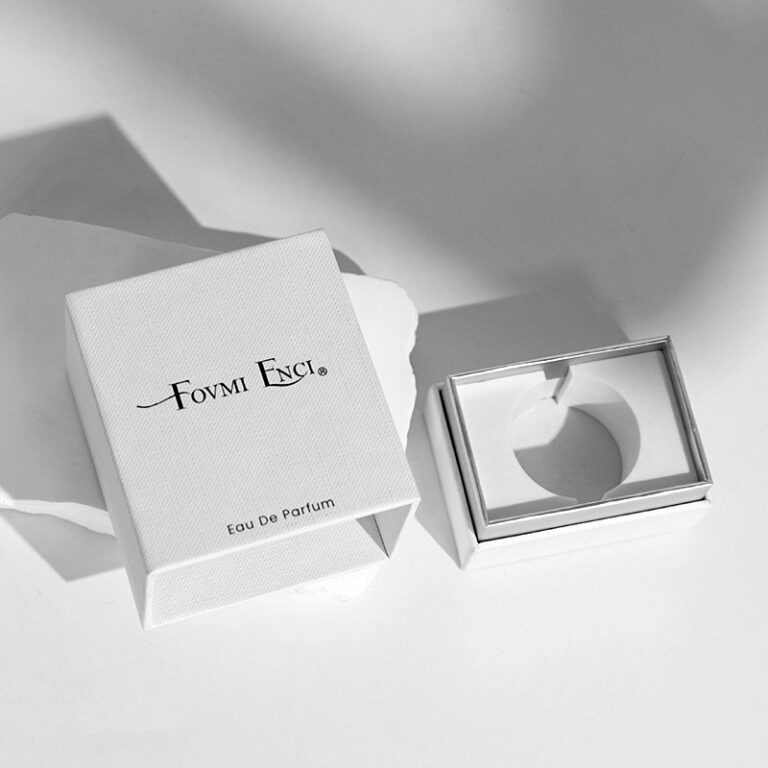
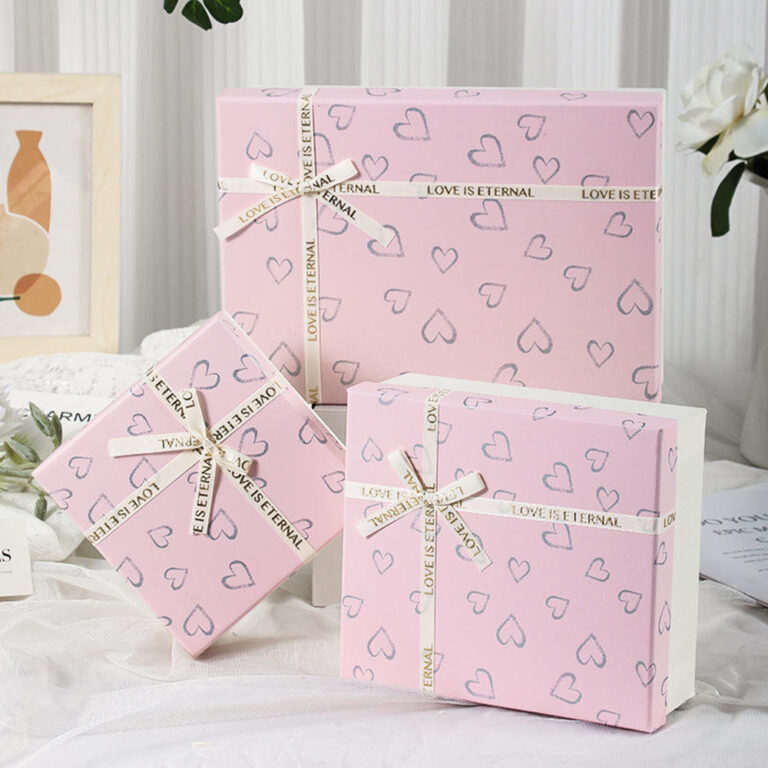
Paper drawer boxes – Nice for 30–50 ml bottles where you want a “ritual” opening and space for storytelling card or voucher. You also save some space in shipping master cartons. You can look at paper drawer boxes if you like this sliding structure.
Collapsible gift boxes – Handy for large volume projects with tight shipping budget, because they ship flat and reduce freight cost. They work well for 50 ml plus gift sets; the factory can pre-glue them. Check collapsible gift boxes to see how this structure folds.
Paper tube packaging – Best for 5–15 ml vials or slim 30 ml bottles where you wanna stand out in niche or indie market; tubes have strong shelf blocking and are easy to recycle.
From the factory side, we also look at SKU complexity, insert options, and filling line process. A box that looks cool but is slow to pack can hurt your unit cost fast, so it’s better when design team and production talk early.
Combine Multiple Perfume Sizes to Cover Different Markets
You don’t have to choose only one size. Most brands build a size ladder:
5–10 ml mini or vial – for sampling, online gifting, subscription packs.
30 ml – for new users and seasonal drops.
50 ml – main volume SKU in retail channels.
100 ml – for loyal fans and online bundles.
This structure lets you:
Test new scents in small batches first.
Give buyers clear trade-up options.
Adjust channel strategy: some chains might only take 30 ml + 50 ml, while your own DTC shop sells the full ladder.
Perfume-box can support this type of ladder with matching sets of lid and base boxes in a family style, so all sizes look related but still optimized per bottle volume. This is very important for brand block on shelf and easy planogram work.
Think About Logistics, Shelf Impact and Sustainability
Size is not just about consumer use; it also touches logistics and sustainability.
A few things many buyers forget at first:
Master carton fit: if your box height is just a bit off, your outer cartons might hold fewer units than they could. That means more pallets, more freight.
Shelf presence: tall narrow boxes look premium but can be unstable on some shelves, especially with open displays. Shorter boxes are more stable but may look less “wow”.
Material usage: smaller, tighter boxes use less board and lining paper. Over thousands of units this is a big saving and also better for your ESG report.
You can combine rigid boxes for main SKUs with colored corrugated outers, folding carton and paper gift bags for shipping, gifting and retail events. A supplier with FSC certification, like perfume-box in China, can help you balance luxury feeling with more eco-friendly materials and printing specs.
Work With an OEM/ODM Perfume Box Manufacturer for Size Optimization
If you’re not sure where to start, it’s ok. You don’t need to calculate everything alone.
An experienced OEM/ODM perfume box manufacturer can:
Check your bottle drawings and suggest safe but tight box dimensions.
Propose different box structures per price level (entry, premium, limited).
Run stress tests, ship tests and simple “drop tests” to see how much protection you really need.
Help you align MOQ, lead time, print specs and budget for each SKU size.
Perfume-box has more than 30+ years in custom perfume packaging, daily capacity in the million range, and full OEM/ODM service. So if you send your bottle CAD, rough size idea and brand position, the engineering team can propose a size and structure that fits both marketing and production. Sometimes you will even find out some SKUs can share the same box size, which really simplify your supply chain.
Wrap-up: How to Choose the Best Sizes for Perfume Packaging
Quick recap you can keep in your notes:
Decide who the bottle is for (sample, first-time buyer, loyal fan).
Pick a bottle volume that matches that scenario: small (5–15 ml), mid (30 ml), or large (50–100 ml).
Choose a box type and dimension that fits the bottle closely but still protects it.
Use a size ladder so your product line covers more consumer needs.
Double-check logistics, shelf impact, and sustainability before you freeze the size.
Work with a packaging partner like perfume-box to tune all the numbers and make sure the boxes really work in mass production, not just on paper.
If you follow these steps, your perfume packaging sizes will feel natural to your customers and much easier to scale on the business side, too. This make your brand look more pro and also more trusted in the market.
Since 1985, we’ve been a factory-direct partner for OEM/ODM custom luxury perfume boxes in China. One team handles design, sampling, production, and export logistics. Strict QC delivers on-brand packaging, fair pricing, and reliable lead times.
Flexible & Professional OEM/ODM Solutions
Agile OEM/ODM support with low MOQs and fast turnaround. Our engineers refine dielines, optimize structures and build custom inserts to protect each bottle. From concept to pre-prod samples, we accelerate launches with predictable cost and risk.