Perfume packaging is one of those things people “don’t notice”… until it’s bad. The box feels flimsy, the lid won’t line up, the bottle rattles, and suddenly your luxury vibe looks kinda fake.
So if you want packaging that looks premium and survives real-world shipping, you need to think like both a designer and a factory engineer. That’s exactly what we build at perfume-box.com: custom perfume boxes for OEM/ODM, bulk wholesale, and private label teams—made in Shenzhen, with FSC options, and a production system built for repeatability.
If you’re shopping structures, start here: perfume boxes.
Perfume packaging protects the bottle
Your first job is boring but critical: protect glass.
Perfume boxes need to guard against breakage, light, and heat. If you skip this, your “beautiful packaging” becomes a returns problem. The fastest way to kill a launch is to ship 5,000 units and hear “the bottles arrived cracked.”
Custom inserts
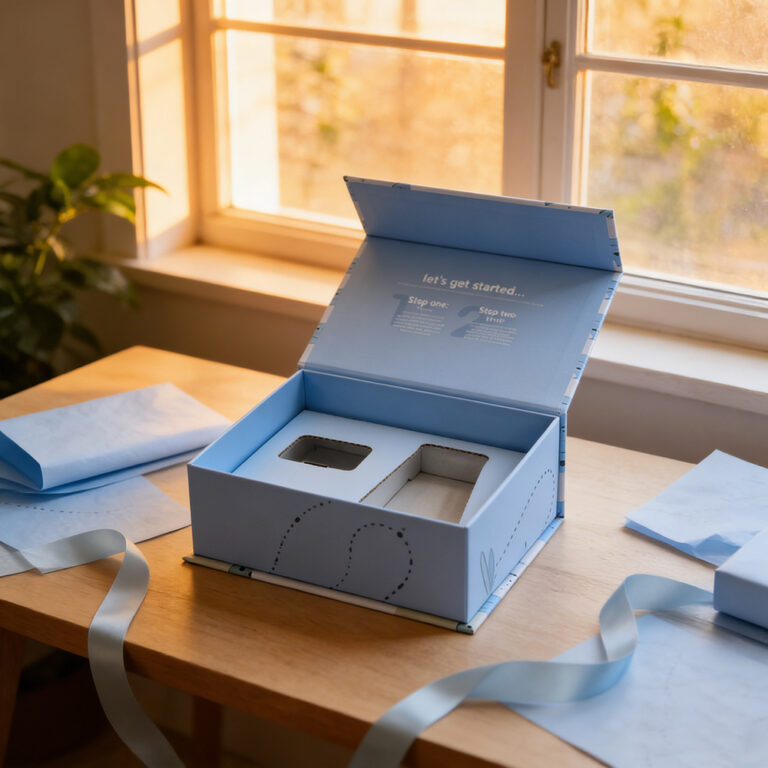
Don’t guess the fit. Use a proper insert plan—EVA/foam/pulp, tight tolerances, and no dead space.
On our side, we talk about bottle-safe fit and tight alignment for rigid boxes, because that’s what stops movement during transit.
Brand identity
Once protection is handled, you can make it look like your brand.
Brand identity isn’t just a logo. It’s the full set: box structure, paper feel, print style, and finishing choices. When those pieces match your scent story, customers “get it” in one glance.
Typography and color
Keep typography readable. Pick colors that fit the mood. If your fragrance is clean and airy, heavy gothic fonts fight you. If your scent is loud and night-out, ultra-minimal might look sleepy.
Shelf appeal
Here’s the truth: retail is fast. People scan shelves in seconds. Your packaging needs a strong front face, clear hierarchy, and enough contrast so it doesn’t blur into the crowd.
Visual hierarchy
Put the brand name and scent name where the eye lands first. Push the small stuff (volume, legal text) where it won’t clutter the main moment.
Bottle shape
Start from the bottle. Always.
If the bottle is tall and slim, you can go elegant and vertical. If it’s wide or oddly shaped, you may need a different structure (and a smarter insert). Packaging that ignores bottle geometry ends up with weird empty corners and sloppy fit.
Unboxing experience
Unboxing isn’t just for influencers. It’s for buyers, gifting, and even your internal quality check.
A premium open/close moment says “this brand cares.” A cheap open/close moment says “we rushed it.”
Magnetic closure boxes
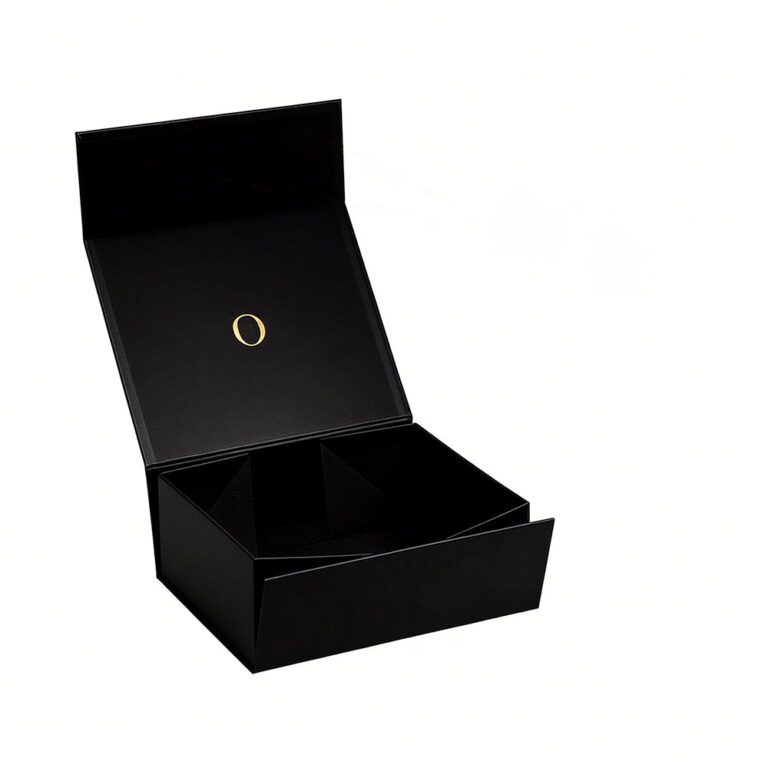
If you want that satisfying “snap” close and a clean book-style reveal, go with Magnetic Closure Boxes. These are rigid boxes engineered for alignment and tactile feel, with options like FSC materials and premium paper wraps.
Real-world scenarios where magnetic closures shine:
- luxury gift sets and limited drops
- retail display where customers open/close a lot
- subscription shipments that need secure closure
Clamshell gift boxes
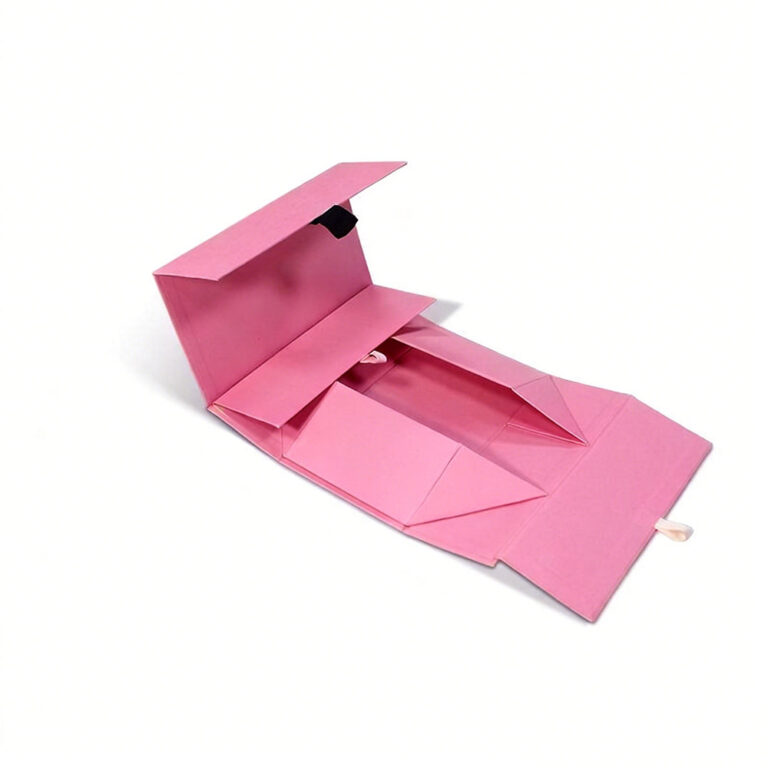
If you want wraparound protection with a hinge-style “reveal,” look at Clamshell Gift Boxes. They’re built for sturdy spines, clean hinges, and retail-ready finish control (Pantone + prepress checks).
This structure works great for:
- premium single-bottle gifts
- collector editions
- sets with layered trays (bottle + accessories)
Paper drawer boxes
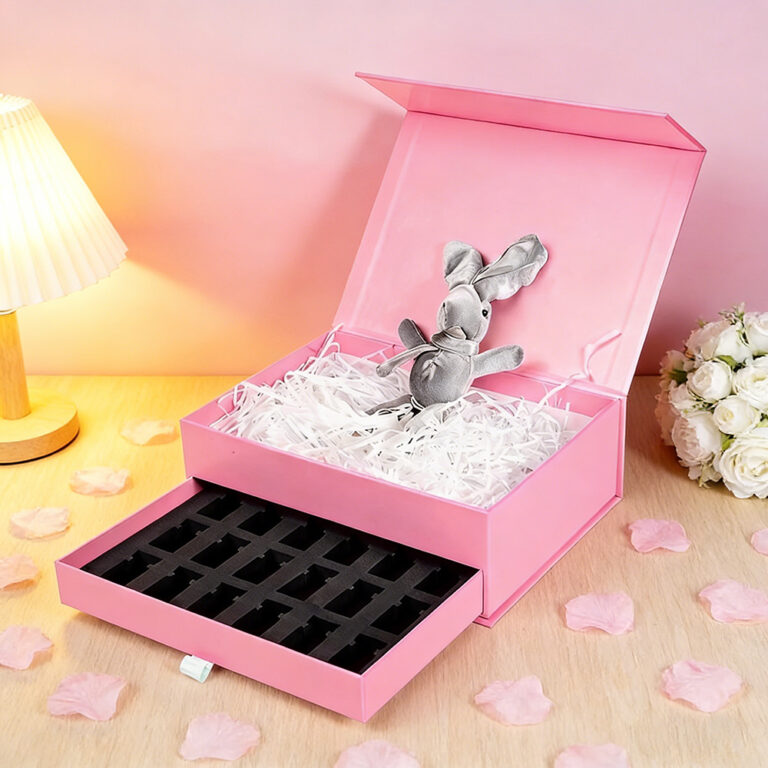
If you sell discovery sets, mini sizes, or want a “slow reveal,” use Paper Drawer Boxes. Drawer boxes focus on pull force, ribbon/pull options, and stable assembly across SKUs—so your 30/50/100 ml lines don’t turn into a chaos pile.
Paper tube packaging
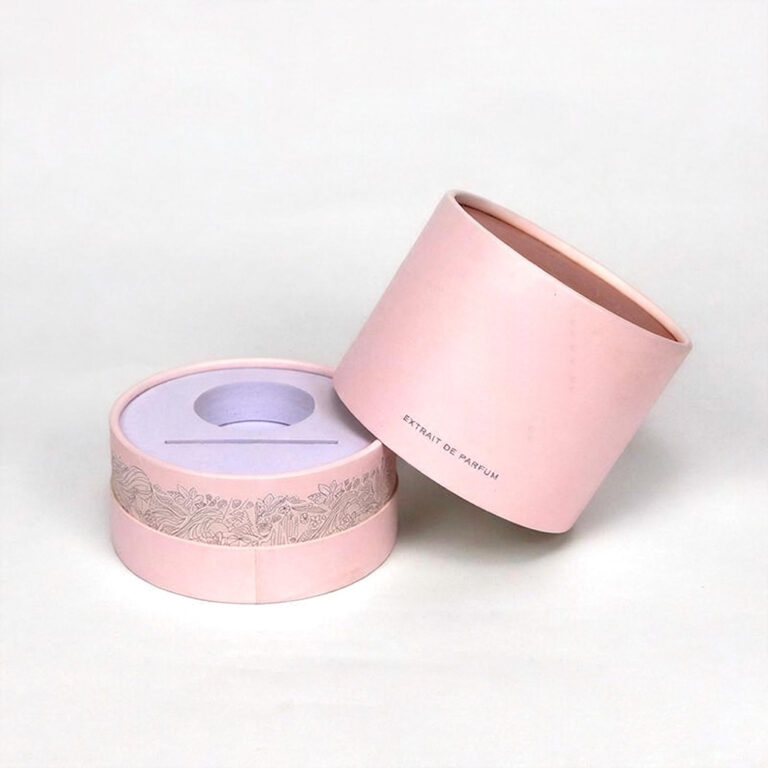
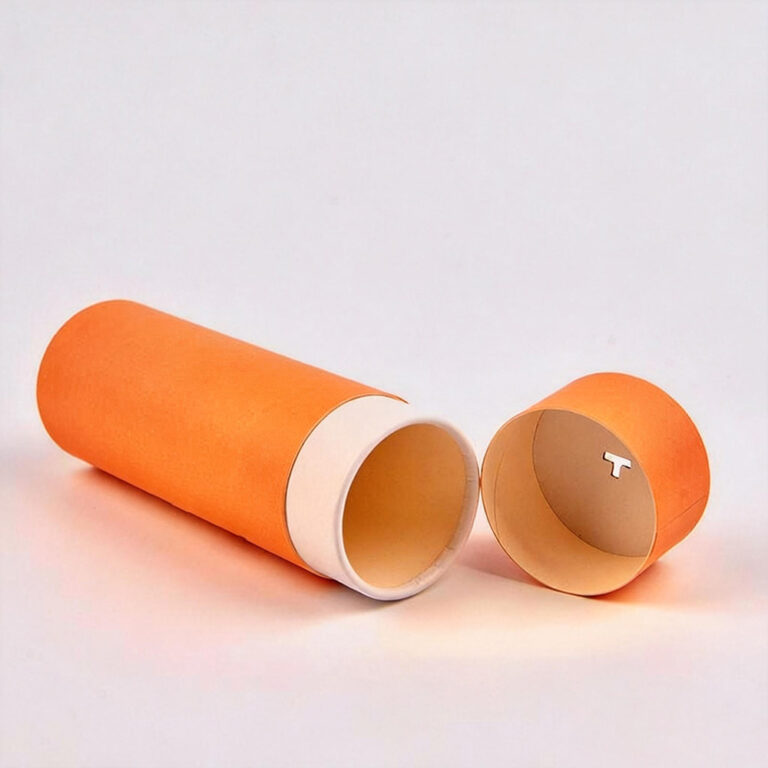
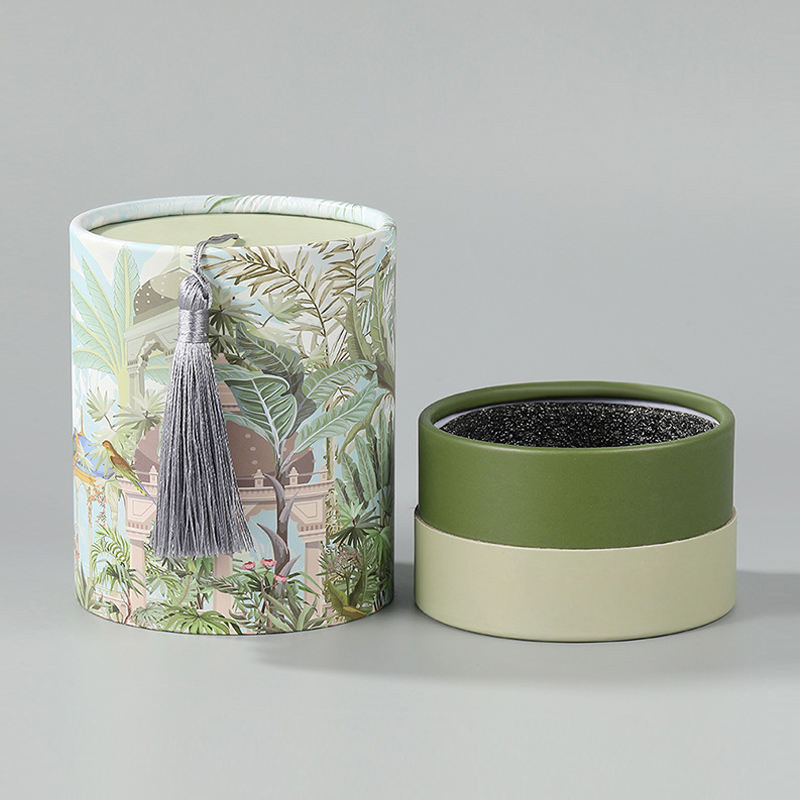
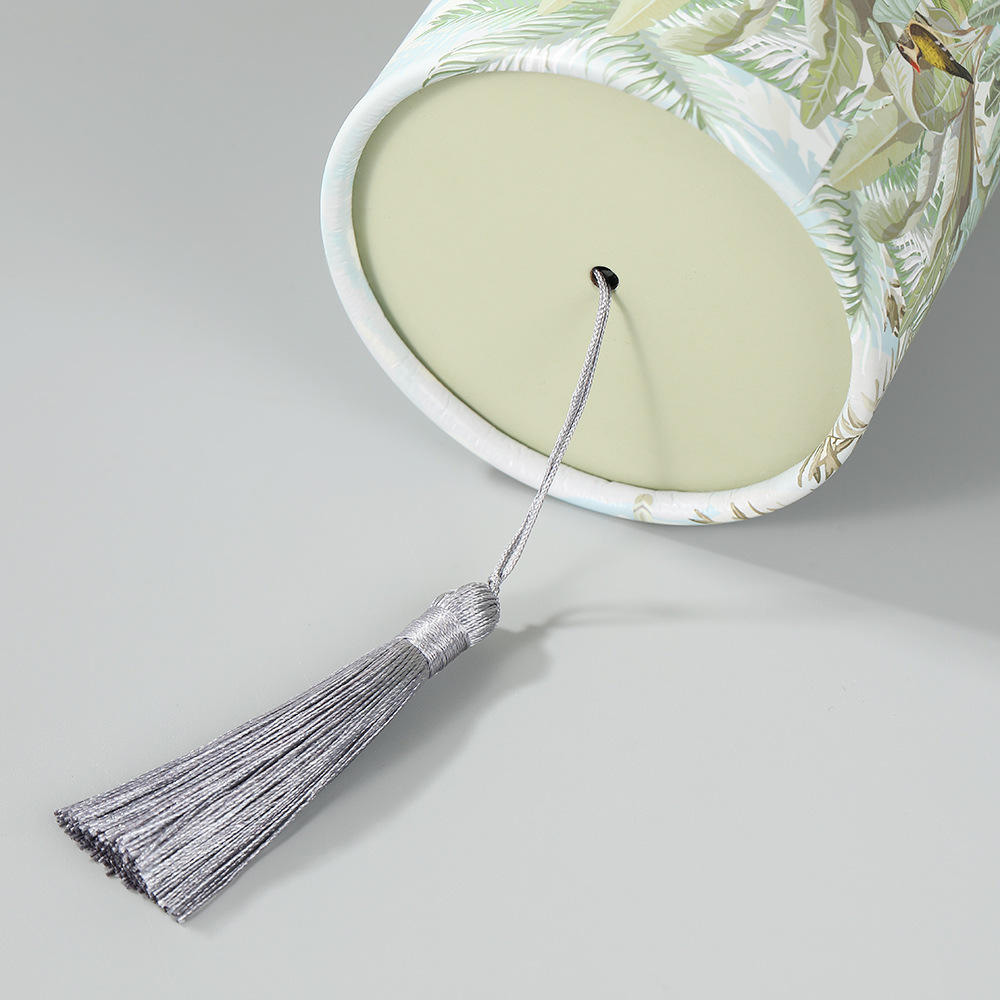
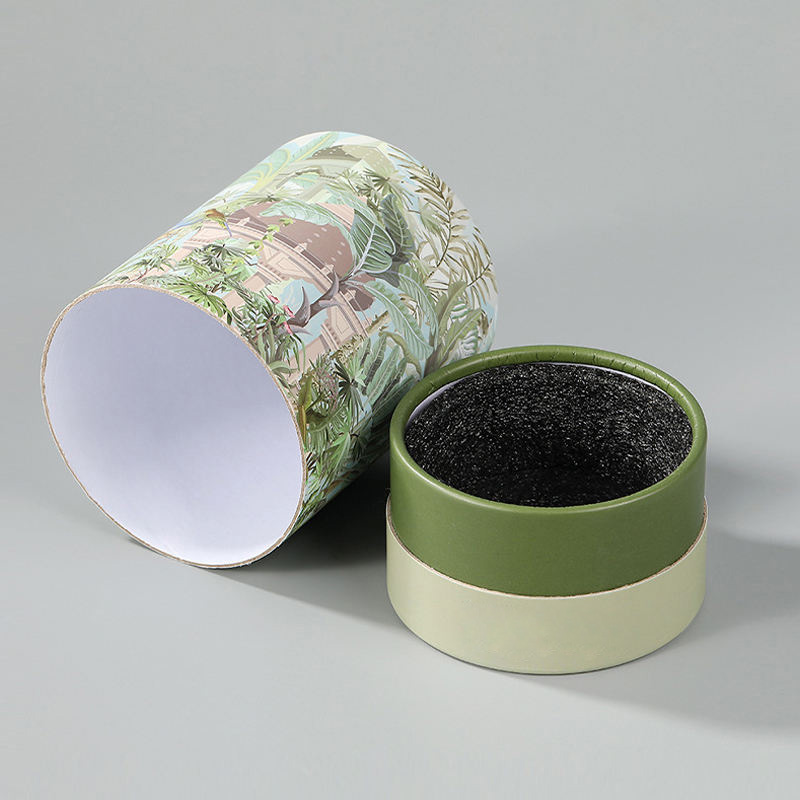
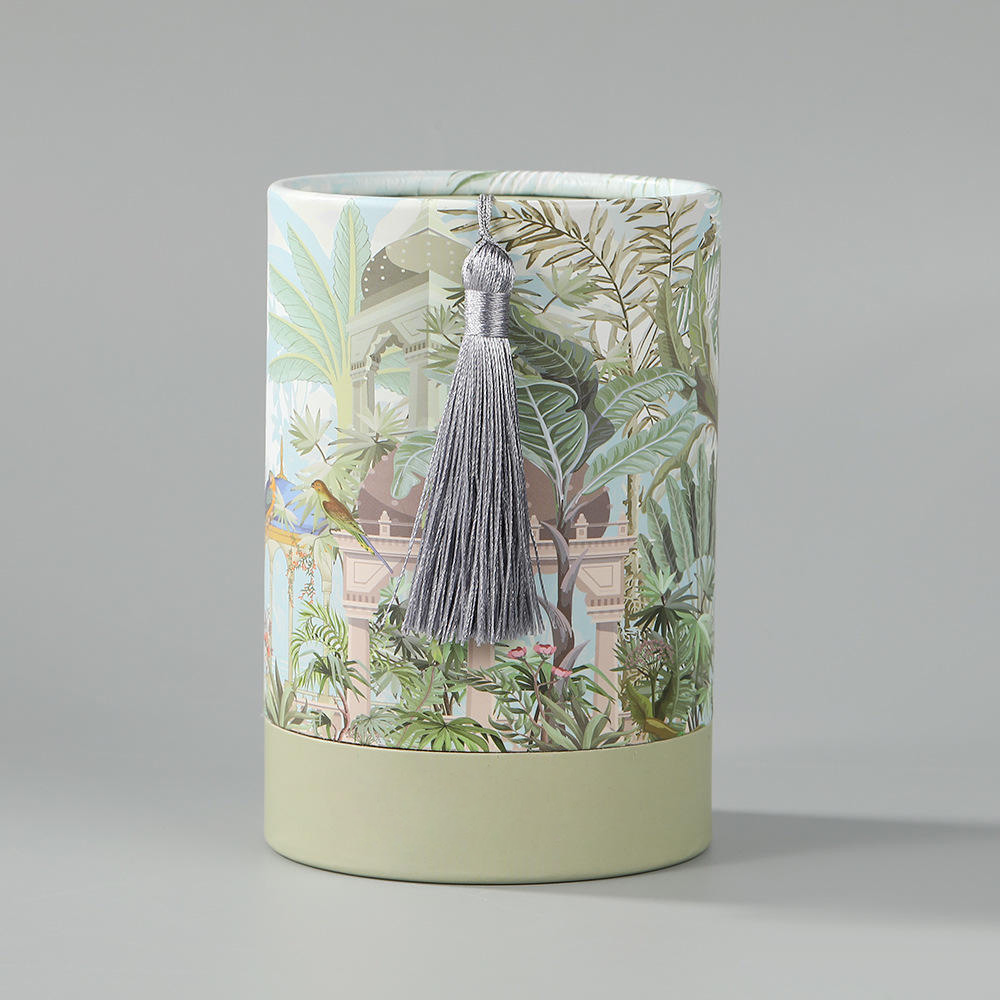
If you want cylindrical shelf pop with a smaller footprint, consider Paper Tube Packaging. Tubes are also popular when you want an eco-forward feel with recyclable papers, eco inks, and plastic-free insert options.
OEM/ODM
If you’re a buyer, you already know the pain points:
- you need stable color across runs
- you need inserts that fit every time
- you need a factory that can handle bulk without “surprise issues”
On perfume-box.com, the positioning is straight: one team handles design, sampling, production, and export logistics, with strict QC and a product range that includes rigid magnetic, drawer, shoulder-neck styles, plus finishing options like foil, emboss/deboss, and spot UV.
(Yeah, we say “art meets engineering” because honestly… that’s the job.)
AQL sampling and QA reports
This is the unsexy part that saves brands.
If you want repeatable quality at scale, you need:
- prepress checks
- Pantone targets
- AQL sampling
- traceability
- QA reports
Those terms look like factory jargon, but they’re your risk control. Especially when you’re running multiple SKUs and shipping to different markets.
A practical checklist you can hand to your team
Use this when you brief your designer and your supplier:
| Practical claim | What to check | Where it shows up (source) |
|---|---|---|
| Packaging protects the bottle | insert fit, drop-risk, bottle movement | Perfume Boxes page: “protect… against breakage, light, and heat” |
| First impression matters | clean front face, readable type, clear hierarchy | Perfume Boxes page: “present and promote… boost shelf appeal” |
| Brand identity needs consistency | structure + paper + print + finish match the scent mood | Home page: custom design + premium finishes list |
| Unboxing experience adds value | hinge/closure feel, alignment, open/close durability | Magnetic Closure Boxes: “crisp… snap” + luxury reveal |
| Different structures fit different use cases | gift, retail, travel, sets, minis | Category + structure pages (magnetic/clamshell/drawer/tube) |
| Sustainability is part of the spec | FSC papers, recyclable materials, eco inks | Home + Paper Tube Packaging pages mention FSC/recyclable/eco inks |
| Scale needs process | dielines, sampling speed, QA + repeatable assembly | Multiple pages mention dielines, samples 1–3 days, QA/AQL |
Real application scenes
Let’s make it super practical. Here are a few common scenes I see buyers deal with:
Procurement teams at big perfume brands
You care about consistency. Same color, same fit, same closure feel—every run. You’ll lean toward rigid structures (magnetic or clamshell) plus documented QA steps, because you can’t afford “almost the same” packaging.
Startups and small fragrance labels
You care about guidance and risk. You might not have packaging engineers in-house, so you want a supplier that can refine dielines, recommend insert materials, and stop mistakes before mass production. That’s where OEM/ODM support matters.
Packaging traders and distributors
You care about repeatable assembly, stable SKU management, and fast approvals. Drawer boxes and tubes often help here because they standardize well, then you brand the sleeve and finishing.
Quick recap
Captivating perfume packaging isn’t magic. It’s a stack of smart choices:
- protect the bottle first
- design for brand identity and shelf appeal
- pick a structure that fits your sales scene
- lock quality with dielines, sampling, and QA
- keep sustainability in the materials, not just in marketing
And yeah—when you get it right, the perfume box doesn’t just hold the product. It supports the whole buying experience.