United States Regulations for Perfume Packaging Information
Learn how US regulations shape perfume packaging: cosmetics labeling rules, principal display panel, ingredients and flammable warnings, MoCRA contact details, and practical checklists for compliant custom perfume boxes and gift sets entering the American market.
If you want to ship perfume into the US, the pretty box is only half the story. The other half is the label. US rules care a lot about was you print, where you print it, and wie clear it is.
Below is a practical walk-through of the main US regulations and how they land on real perfume boxes, with a few checklists and tables you can use with your packaging team or supplier.
US cosmetics labeling regulations for perfume packaging
In the US, most perfumes sit in the cosmetics category. That means your packaging has to follow the Food, Drug, and Cosmetic Act plus the Fair Packaging and Labeling Act, and the detailed rules in 21 CFR Part 701 for cosmetic labeling.
Two key ideas:
The box is split into Principal Display Panel (PDP) und Information Panel.
All mandatory info must be truthful, not misleading, and easy to read.
For US buyers, this is not “nice to have”. If the label is wrong, customs can hold it, retailers may reject it, and you lose shelf time.
If you work with a custom box supplier like Parfümdose, you want them to already know these terms and build the dieline with PDP and information panel in mind.
Principal Display Panel requirements for perfume boxes in the US
Die Principal Display Panel is the main face of the box. It is the part shoppers see first on the shelf. The law calls it “the part of a label most likely displayed or examined under customary conditions of display”.
On a typical perfume box, the PDP must show at least:
Product identity
Example: “Eau de Parfum”, “Eau de Toilette”, “Cologne”.
Use common words that US consumers understand.
Nettomenge des Inhalts
Example: “1.7 fl oz (50 mL)”.
US units first (fluid ounce), metric in brackets.
This is where your brand and legal needs fight for space, so layout matters. On a rigid Parfümdosen style, you usually have enough PDP “real estate” for logo, line name, and net content without looking crowded.
Information panel and ingredients labeling for perfume packaging
Die Information Panel sits on the side or back. It carries the “heavy” data that regulators look for.
It normally includes:
Name and place of business of the responsible company
Company name, city, state, ZIP code.
If you only list a distributor, you add phrases like “Manufactured for” or “Distributed by”.
Directions for safe use / important facts
How to use, what to avoid, basic storage tips.
If you skip key facts, the label can be considered “misbranded”.
Liste der Inhaltsstoffe
Use INCI names, listed in descending order of weight (ingredients under 1% can be grouped near the end).
Fragrance mix can appear as “Fragrance” to protect the formula, but it still must be safe and reported when needed.
Here is a quick PDP vs. information panel summary you can use during artwork review:
Panel type
Main job on a perfume box
Typical content
Principal Display Panel (front)
Catch the eye and meet basic US label rules
Brand name, product identity (“Eau de Parfum”), net contents in fl oz and mL
Information Panel (side/back)
Deliver all the legal details in one place
Company name and address, “Manufactured for / Distributed by”, full ingredients list, directions, warnings
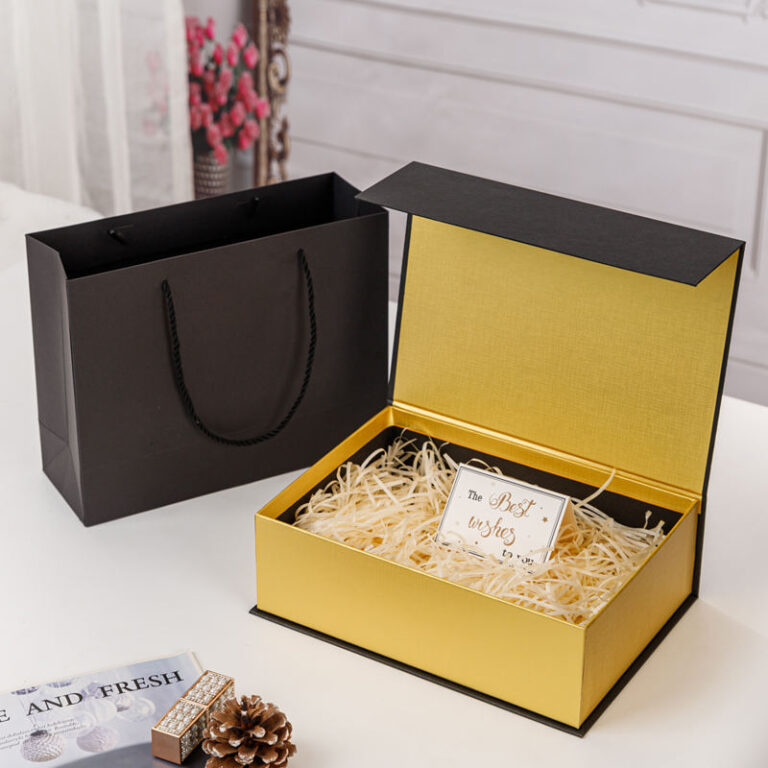
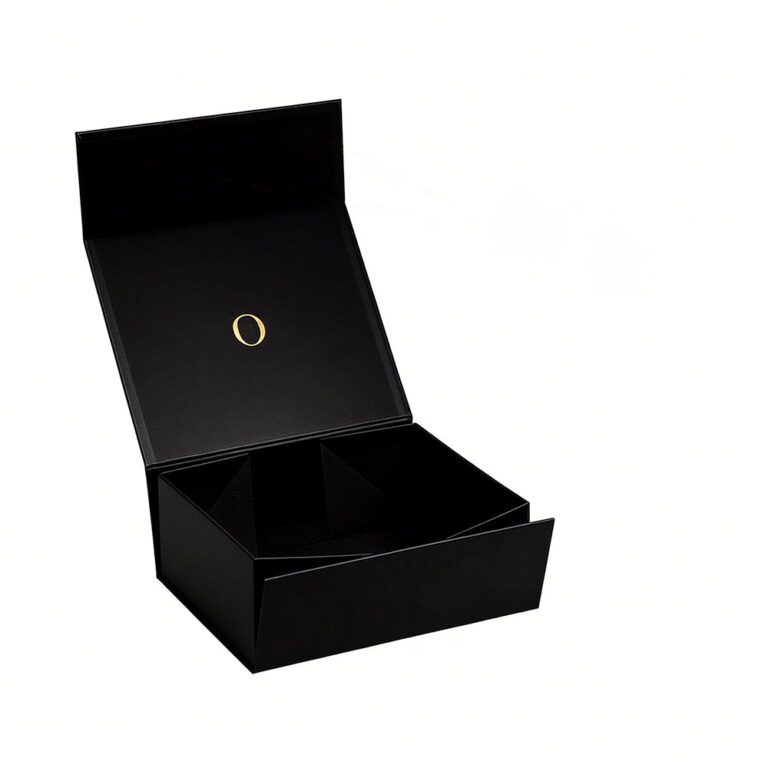
When you design a structure like Boxen mit Magnetverschluss, you also think about how the flap opens. You still need one clear PDP even when the box sits slightly open in store.
Flammable warnings and safety labeling for alcohol-based perfumes in the US
Most fine fragrances are alcohol-based. That makes them flammable under the Federal Hazardous Substances Act if the flash point falls in the regulated range.
If your formula meets the FHSA criteria, the outer packaging needs:
Signal word: usually “DANGER”, “WARNING” or “CAUTION”.
Statement of principal hazard: for example “FLAMMABLE”.
Handling advice: keep away from heat, sparks, open flame; do not spray near eyes or on broken skin.
Child safety message: commonly “Keep out of reach of children”.
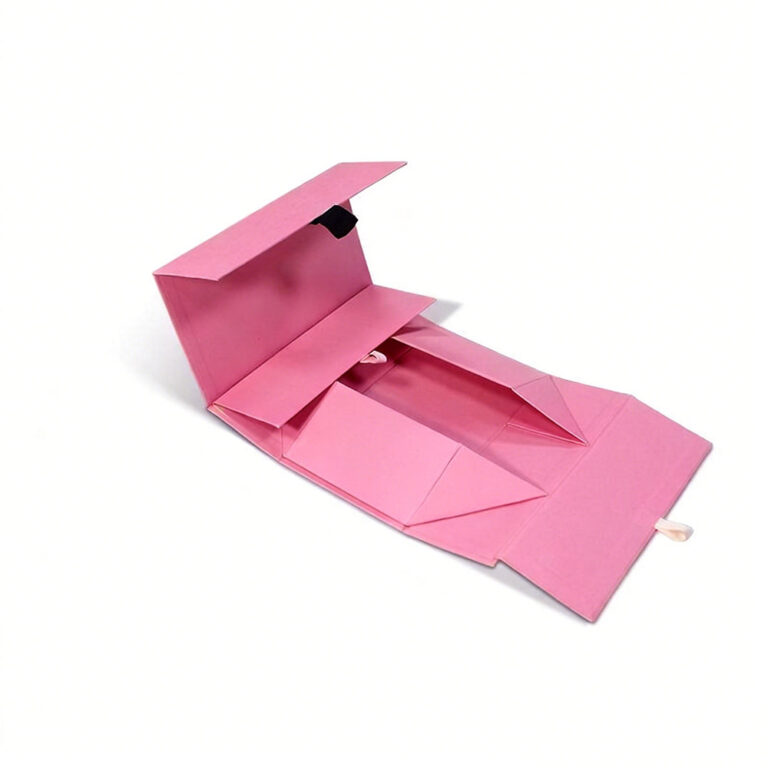
On shelf, you want this warning visible but not scary. That is where the box style helps. A sturdy structure like Zusammenklappbare Geschenkboxen gives you a tall side panel to place the full warning block with the right font size, while the front still looks clean.
Many US buyers will ask straight away: “Do we already have FHSA wording on the artwork?” If your supplier knows these lines, you save one review round.
MoCRA cosmetic label updates and US perfume packaging
Die Modernization of Cosmetics Regulation Act (MoCRA) upgrades US cosmetic rules. It brings new duties for “responsible persons”, including label expectations.
Two topics matter a lot for perfume boxes.
Adverse event contact details on perfume labels
Under MoCRA, companies must report serious adverse events to FDA and include a copy of the product label.
In practice, brands are now adding:
A US mailing address and often a phone number or website.
A clear way for consumers to reach the brand if they have a skin reaction.
If you sell global SKUs, you may need one layout that fits US, EU and maybe GCC. That means you should reserve enough space in the information panel for this contact block from the start. Do not wait until last minute, or you will end up shrinking fonts too much.
Future fragrance allergen disclosure for perfume packaging
MoCRA also pushes fragrance allergen disclosure. FDA is working on rules to list certain allergens on cosmetic labels, including fragrance ingredients, with a proposed rule timeline now expected around 2026.
You do not see the final list yet, but for a new perfume project it is smart to:
Keep extra lines free under the ingredients list.
Align with your regulatory team on which allergens may need call-outs later.
Avoid locking the layout so tight that any new word breaks the design.
For long-term lines and refill projects, planning this early saves you from big reprint waves later.
Practical US perfume packaging labeling checklist
When you brief your artwork team or your box factory, you can keep a simple checklist like this. It is not a full legal opinion, but it reduces basic mistakes.
Label item
Where it sits on the box
Short note for the team
Product identity
PDP (front)
Use clear phrases like “Eau de Parfum”. No fantasy term alone.
Net contents
PDP (front, bottom area)
US fluid ounce plus metric in brackets (e.g. 1.7 fl oz (50 mL)).
Brand name / line
PDP
Make sure it does not hide net content or look like an ingredient claim.
Company name & address
Information panel
Full address; add “Manufactured for / Distributed by” if needed.
Country of origin (for imports)
Information panel or near address
Mark real production country for customs.
Zutatenliste
Information panel
INCI order by weight; include “Fragrance” and other components.
Flammable warning
Information panel side
Add signal word and FLAMMABLE message if alcohol level triggers FHSA.
Use & storage
Information panel
Simple lines like “Avoid spraying into eyes. Keep away from heat or flame.”
Contact for adverse events
Information panel or back
US contact details to support MoCRA reporting.
Batch / lot code
Bottom or side
Helps recalls, QA, and traceability though not all codes are mandated.
You can turn this table into a standard SOP so every new SKU runs through the same checks.
How perfume-box supports US perfume packaging regulations
A big headache for brand teams is this: marketing wants a luxury unboxing, regulatory wants more text, logistics wants strong but light packaging, and buyers want good cost. You try to balance all four.
A specialist partner like Parfümdose focuses only on paper packaging for fragrances, with decades of OEM/ODM work for global brands.
That shows up in a few ways:
Regulation-friendly structures
Starre Papierhülsen-Verpackungen gives you a clean cylindrical PDP plus a tall back area for long ingredient lists or multilingual text.
Shoulder or neck lid and base layouts create a second panel you can use for flammable warnings without killing the front view.
Flat-shipping and multi-SKU lines
For seasonal drops and gift sets, Papier-Geschenktüten and collapsible formats help you ship flat, keep warehouse volume low, and still have enough print space for US label blocks.
Retail-ready finishing
Spot UV, embossing, and textured papers pull the eye on shelf, while dielines still respect PDP rules from 21 CFR 701.
Because the factory handles OEM/ODM work daily, they already think about FSC paper, color stability, and batch control. So you do not need to explain from zero why a barcode must stay scannable, or why the PDP can not get chopped by a fold line. Sometimes the English on artwork maybe not perfect first time, however the structure is already built for compliance, and you only tweak the wording.
Seit 1985 sind wir ein direkter Partner für OEM/ODM kundenspezifische Luxusparfümschachteln in China. Ein Team kümmert sich um Design, Bemusterung, Produktion und Exportlogistik. Strenge Qualitätskontrollen sorgen für markengerechte Verpackungen, faire Preise und zuverlässige Lieferzeiten.
Flexible und professionelle OEM/ODM-Lösungen
Agile OEM/ODM-Unterstützung mit niedrigen MOQs und schnellen Lieferzeiten. Unsere Ingenieure verfeinern die Formen, optimieren die Strukturen und bauen kundenspezifische Einsätze zum Schutz jeder Flasche. Vom Konzept bis zu Vorproduktionsmustern beschleunigen wir die Markteinführung mit vorhersehbaren Kosten und Risiken.
Umfassende und qualitativ hochwertige Produktpalette
Umfassende Luxusoptionen: starre Magnet-, Schubladen- und Schulterhalskartons mit kundenspezifischen EVA-/Schaumstoff-/Pulp-Trays. Hochwertige Veredelungen - Folie, Prägung, UV-Punktprägung - sowie FSC-/Recycling-Papier erhöhen die Wirkung, das Auspacken, die Nachhaltigkeit und den Schutz der Flaschen.